Kintetsu Railway Monthly News in September 2026
Oct 09, 2026
Kintetsu Railway Monthly News in September 2026
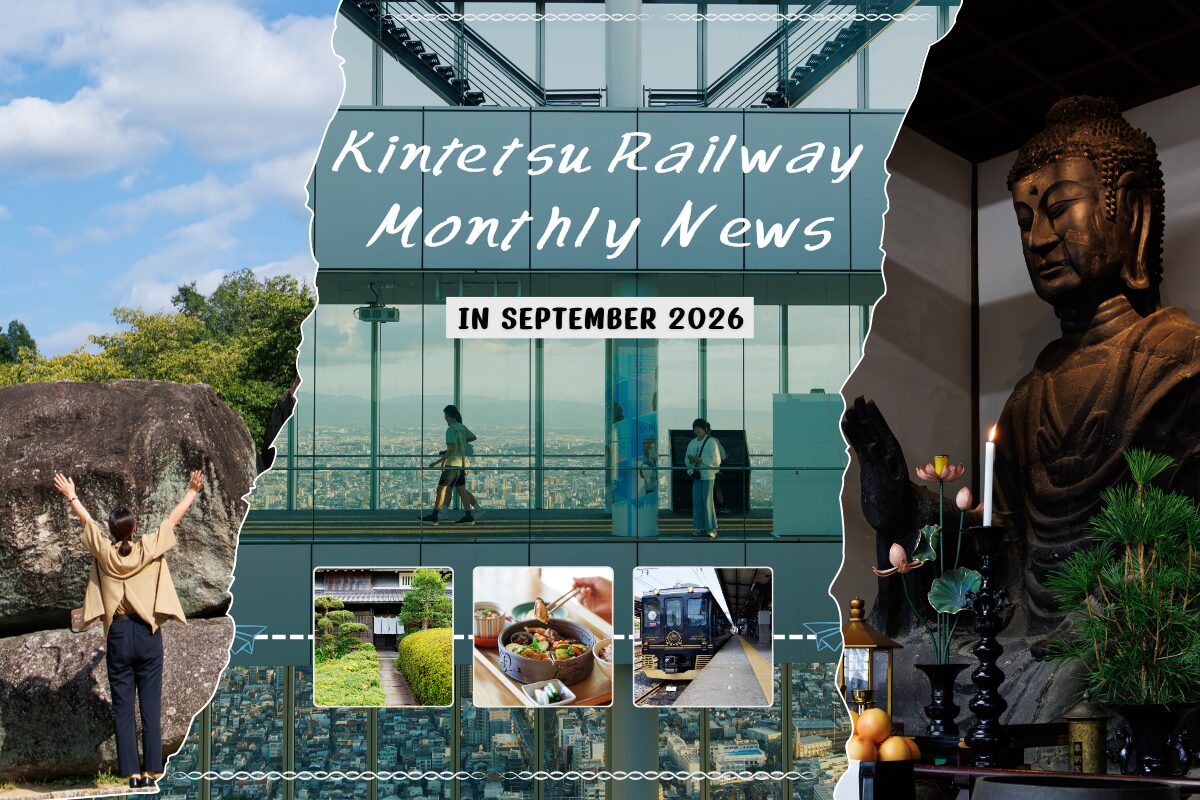
Let’s take a look back at our September journey through Japan with Kintetsu Railway! From charming destinations steeped in history and culture to delicious local specialties and breathtaking scenery, revisit the memorable experiences featured in this month’s travel highlights.
.
In this feature, we will cater you the memorable journey in Japan through “Kintetsu Railway Monthly News in September 2026”.
Index : Kintetsu Railway Monthly News in September 2026
- Visit Dorogawa Onsen, a Historic Hot Spring Village in Nara
- Celebrate the 10th Anniversary of the “Blue Symphony”
- Discover the World Heritage Sites of the Asuka-Fujiwara in Nara
- Explore World Heritage Sites and Savor the Flavors of Asuka
- Journey Back in Time to Ancient Japan Aboard the “Shijin Liner” Sightseeing Train
- Take in Osaka’s Sparkling Nighttime Views from HARUKAS 300
1. Visit Dorogawa Onsen, a Historic Hot Spring Village in Nara [8 Sep. 2026]
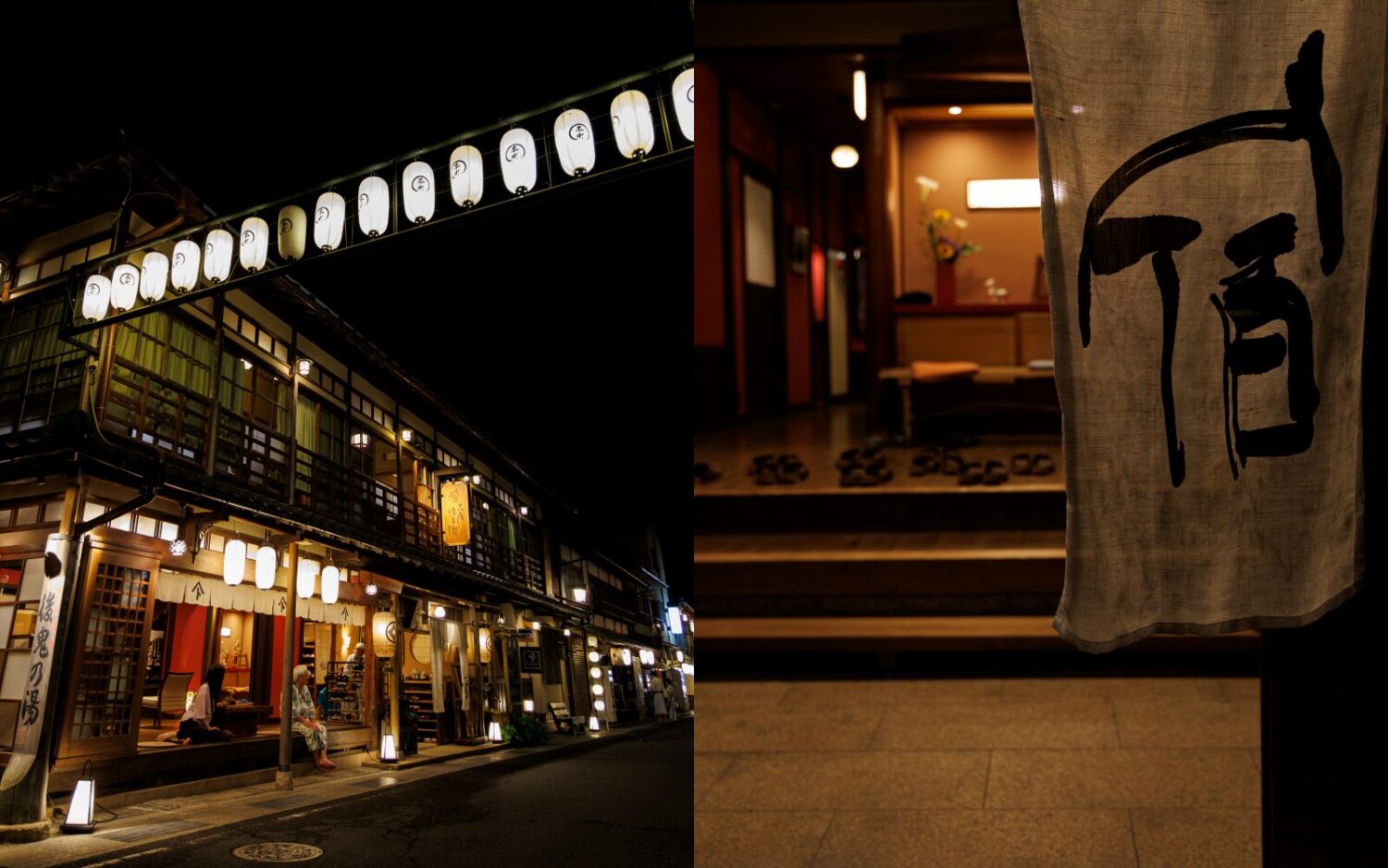
Why is one of Japan’s most thriving hot spring villages nestled deep in the mountains of Nara?
It’s located in the southern part of Nara Prefecture, beyond well-known tourist spots like Nara Park, and lies a hot spring village called Dorogawa Onsen.
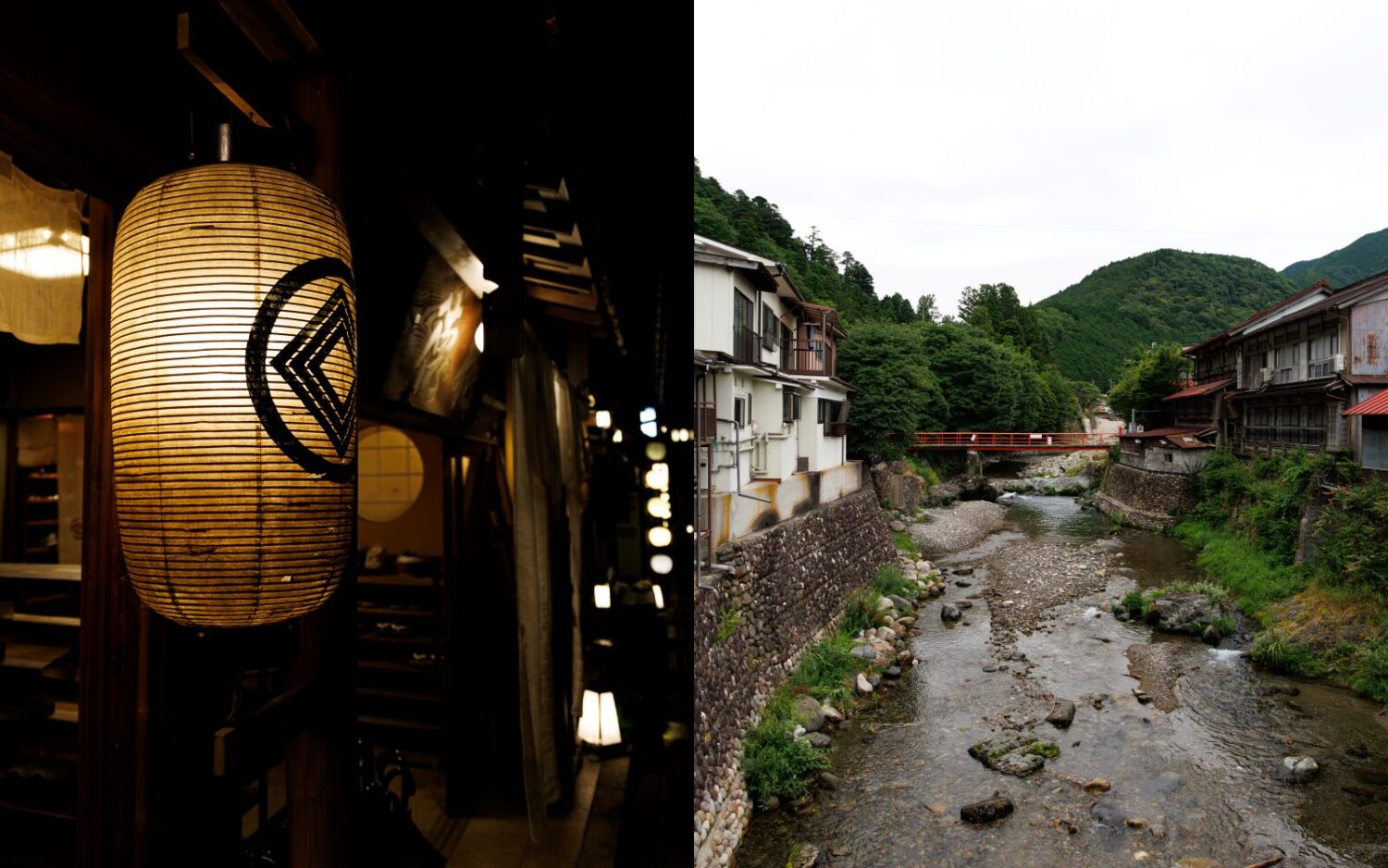
It is believed that around 1,300 years ago, the foothills of Mount Omine served as the origin of Shugendo, leading to the establishment of this hot spring village. Today, the atmosphere of old Japan remains evident in the rows of ryokans (traditional inns) and minshuku (guest houses) that line the streets.
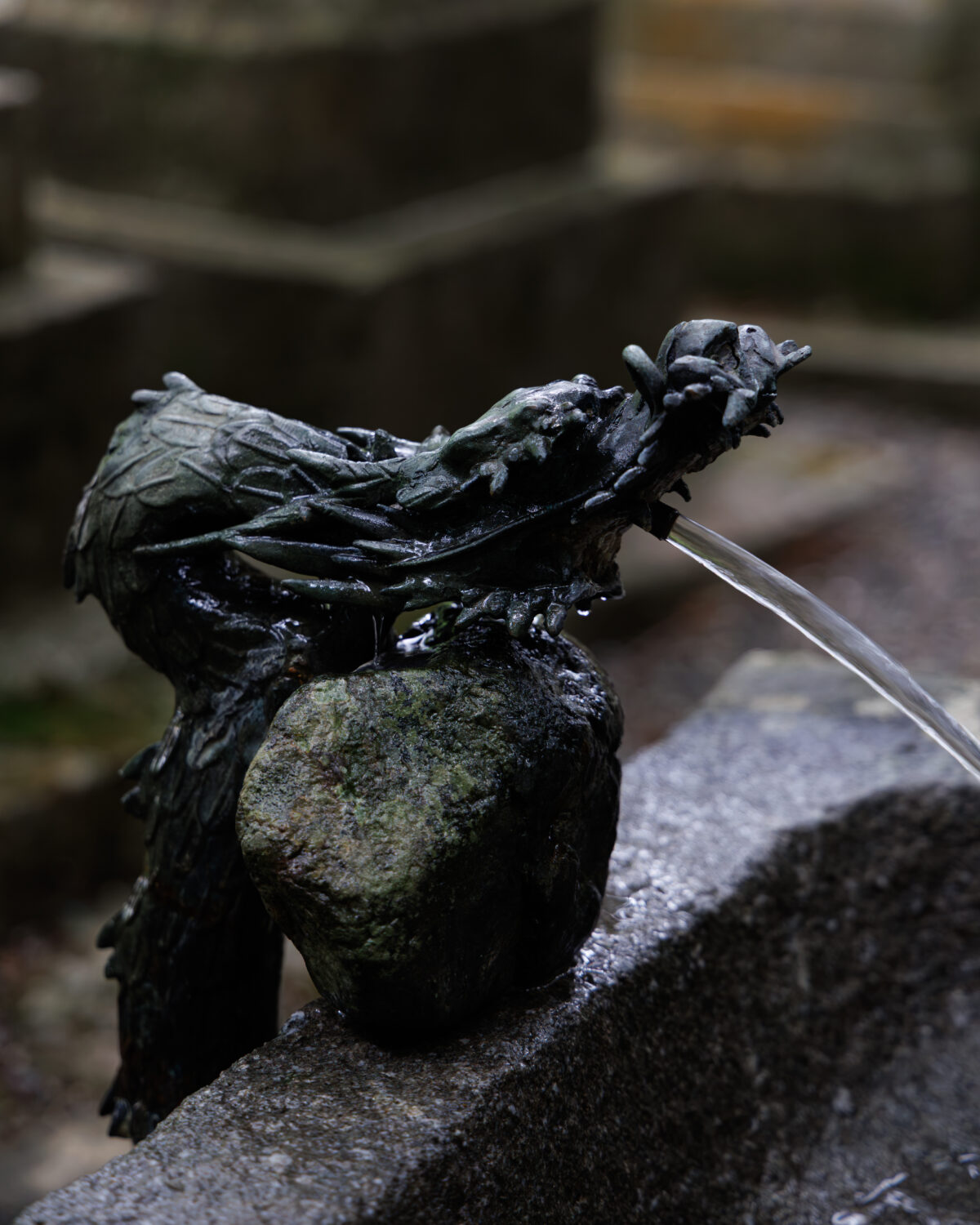
Shugendo is a practice rooted in ancient Japanese mountain beliefs, blending elements from Buddhism, Taoism, and other traditions to create a unique spiritual discipline. Practitioners of Shugendo, known as Shugenja, would ascend Mount Omine to undergo rigorous trials aimed at gaining spiritual power and abilities.
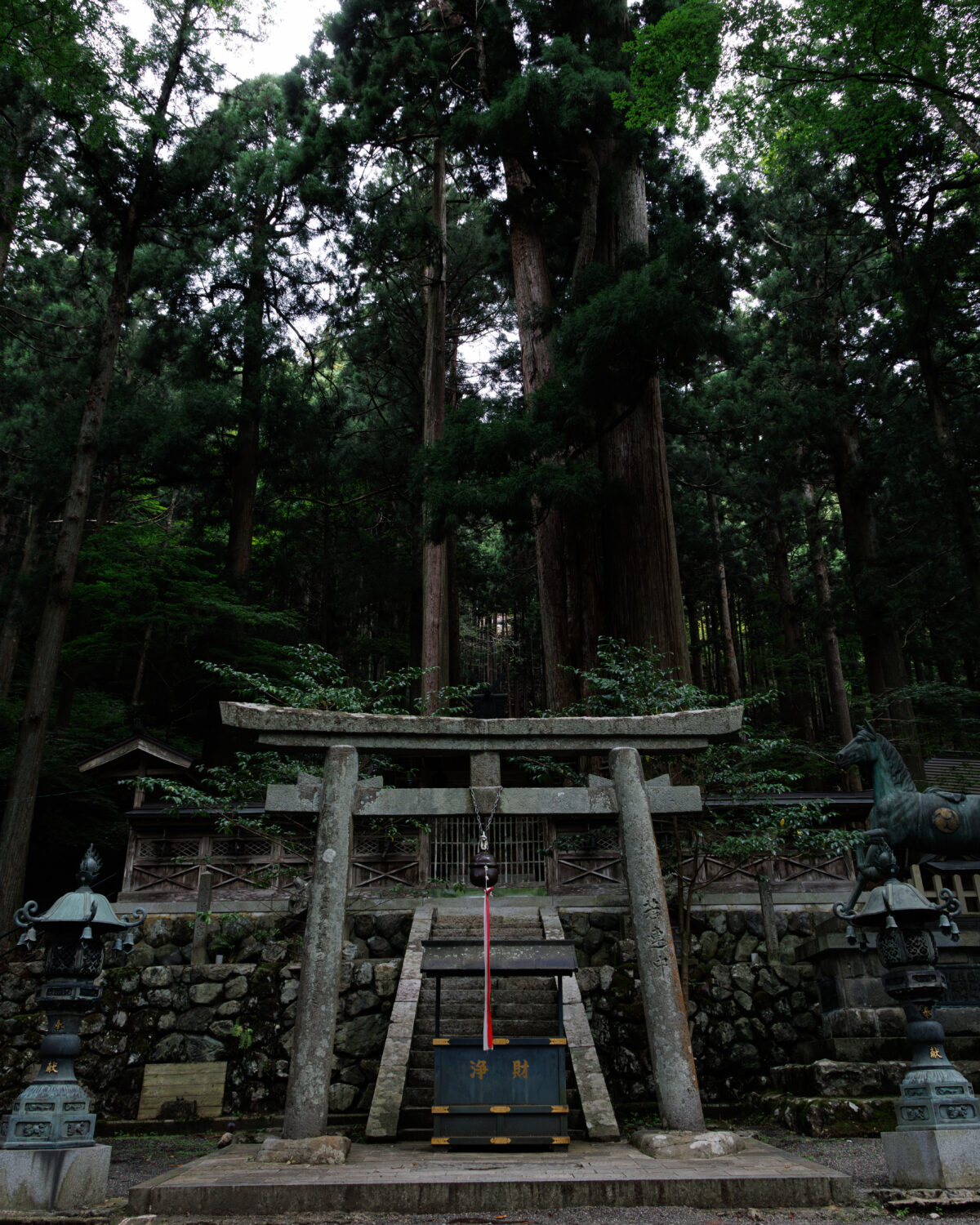
As Shugendo gained popularity, Dorogawa Onsen developed into a lodging town for these ascetics. Historically, to accommodate groups of monks arriving at the inns, especially along the main road, the entrances to the ryokans were designed to be wider than usual, a distinctive feature of Dorogawa Onsen.
Today, the tradition of Shugendo is still alive, and visitors may encounter ascetics in white robes walking throughout the hot spring village.
During the day, the serene view of the village with Mount Omine as a backdrop is relaxing. As night falls, the soft glow of streetlights creates a sacred atmosphere, highlighting the nostalgic charm of old Japan.
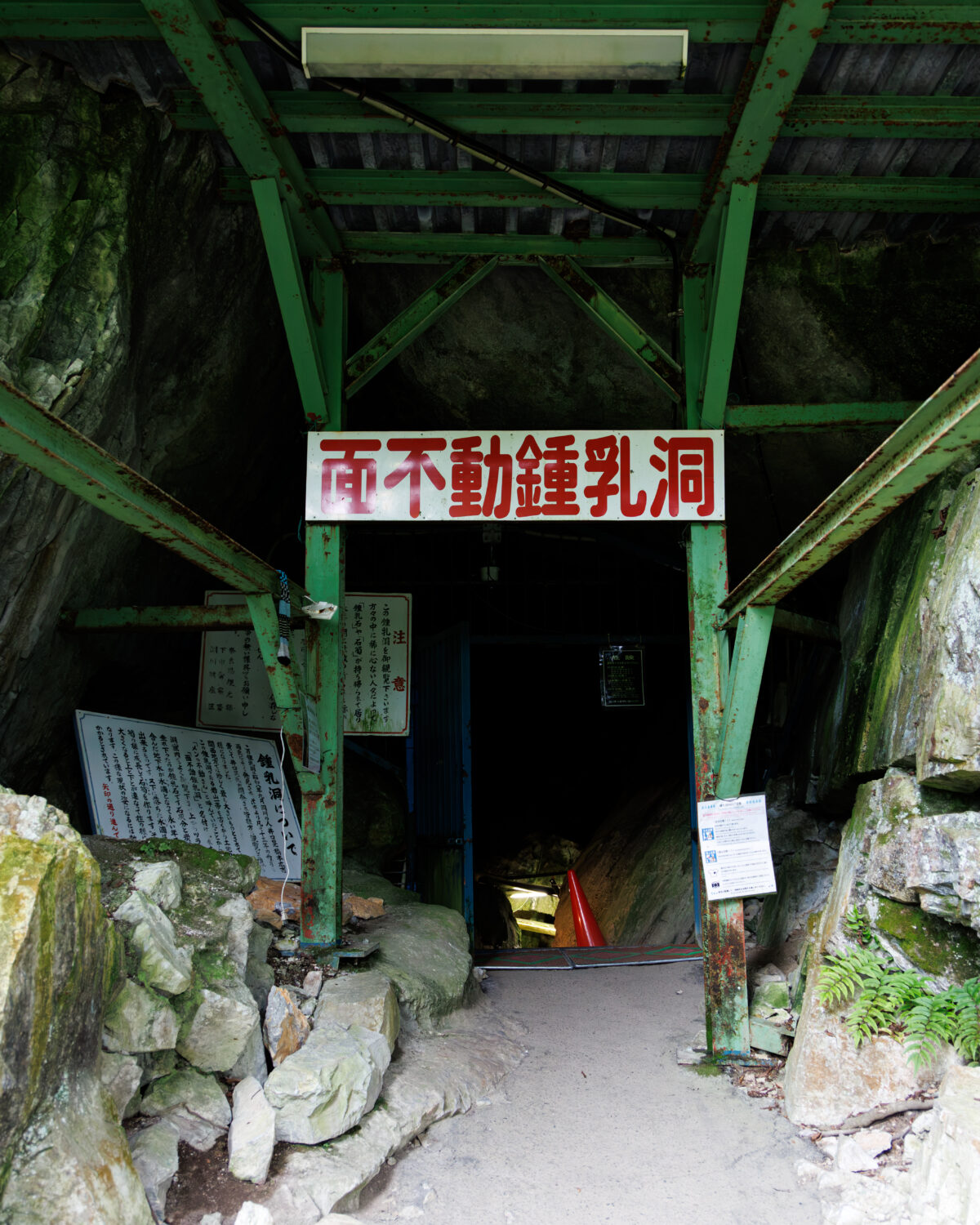
Additionally, near Dorogawa Onsen, there are stalactite and stalagmite caves that were historically used by ascetics for practice and meditation, one of which is known as “Menfudo Cave.”
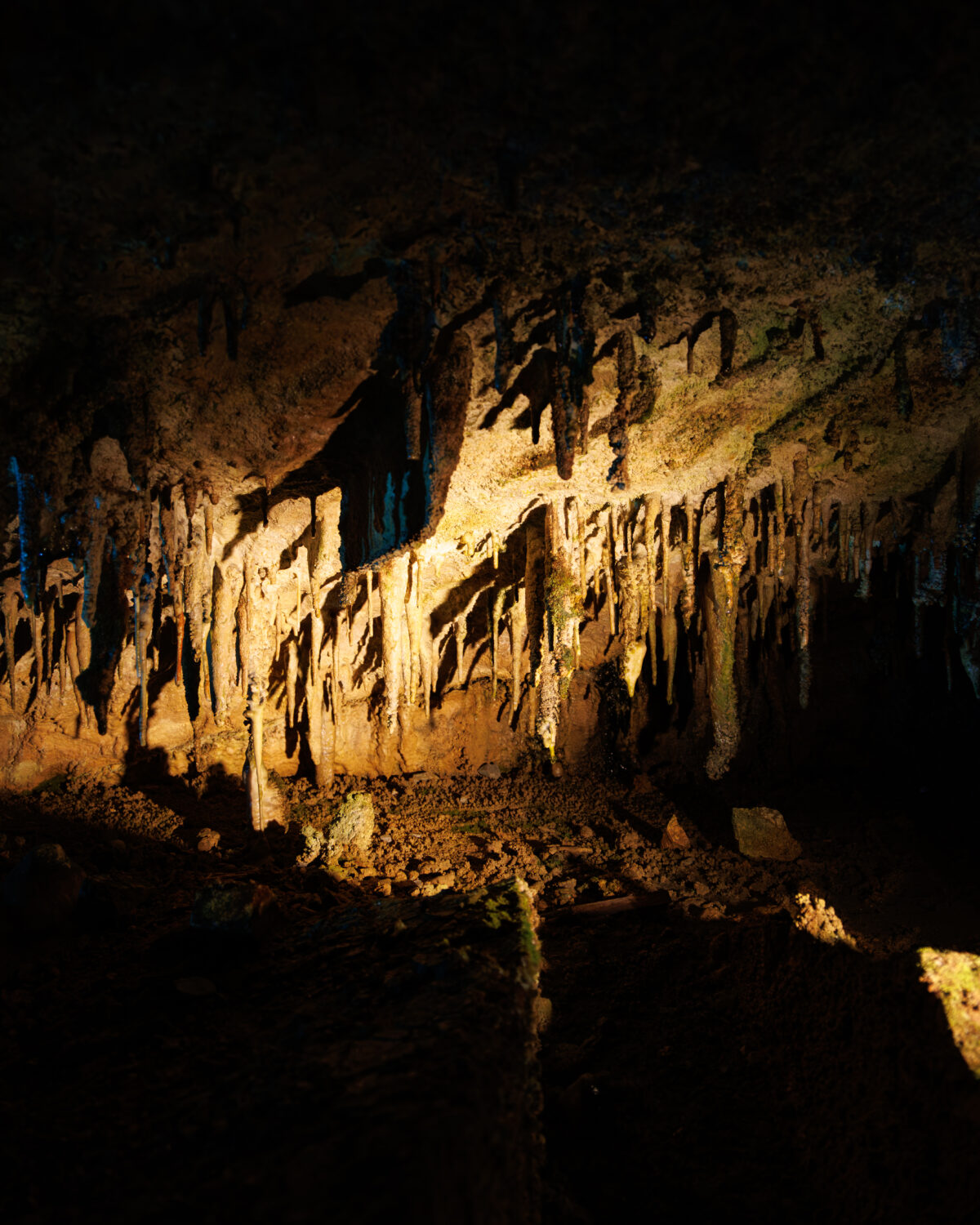
Upon entering the cave, visitors are greeted by a tranquil atmosphere and cool air. In addition to the usual stalactites and stalagmites, there is a section called “Gyojakutsu,” where unique shapes resembling ascetics can also be found.
The average temperature inside the cave hovers around 8°C making it a refreshing destination for those seeking a cool escape. Furthermore, with Dorogawa Onsen located just 800 meters above sea level, the area’s air remains consistently cool, making it an ideal place to visit even during summer.
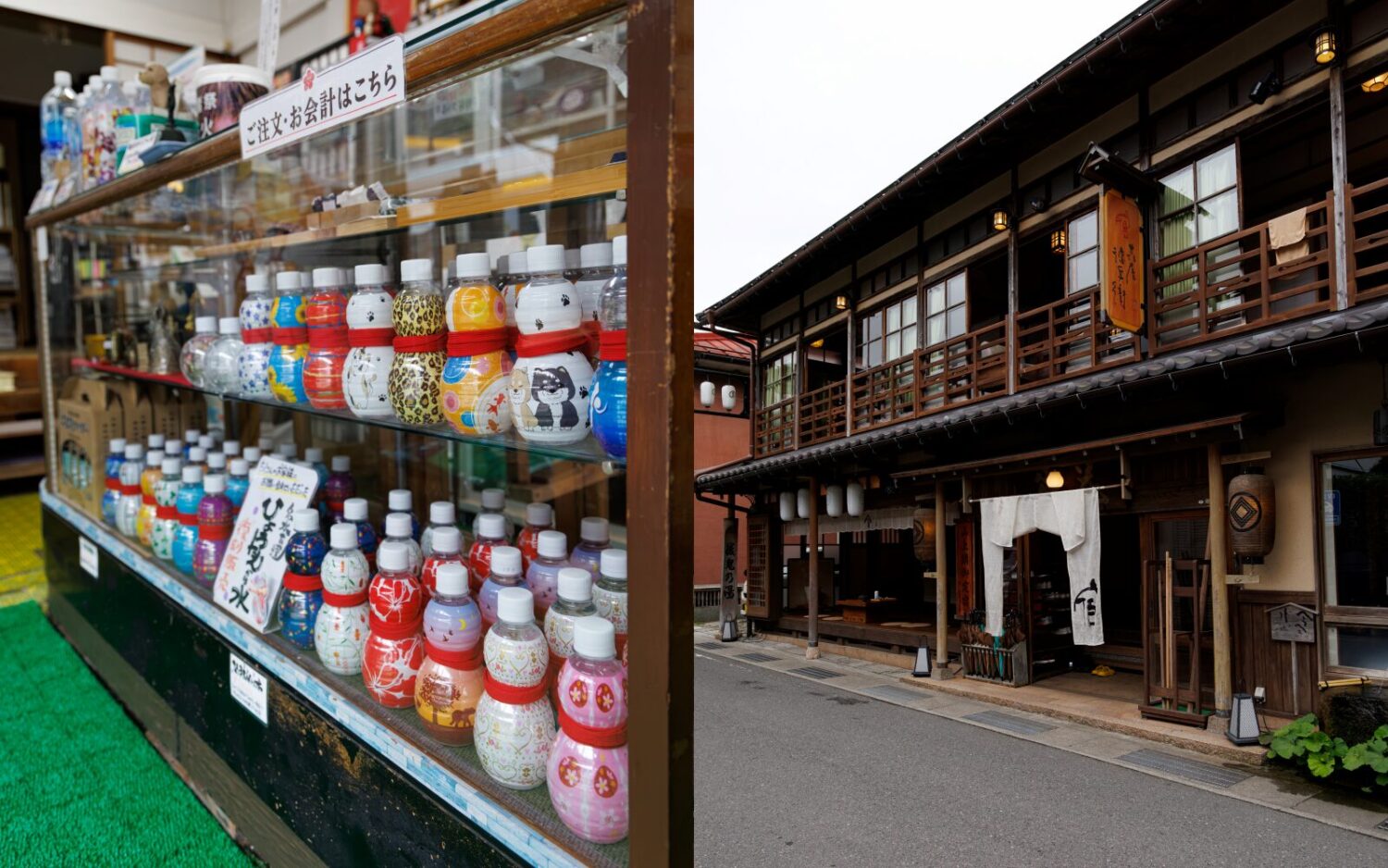
As you step into this sacred land of Nara, surrounded by mountains, you may rediscover a hidden version of yourself.
Let’s explore Nara from a fresh perspective and experience something truly unique.
More about Dorogawa Onsen
Address
- Dorogawa, Tenkawa, Yoshino District, Nara 638-0431, Japan
How to get there
- From Osaka Namba: Take Kintetsu train to Shimoichiguchi Station (1 hour 10 minutes) and then take a bus (1 hour 10 minutes)
- From Nagoya: Take Kintetsu train to Shimoichiguchi Station (2 hours 30 minutes) and then take a bus (1 hour 10 minutes)
Map
2. Celebrate the 10th Anniversary of the “Blue Symphony” [10 Sep. 2026]
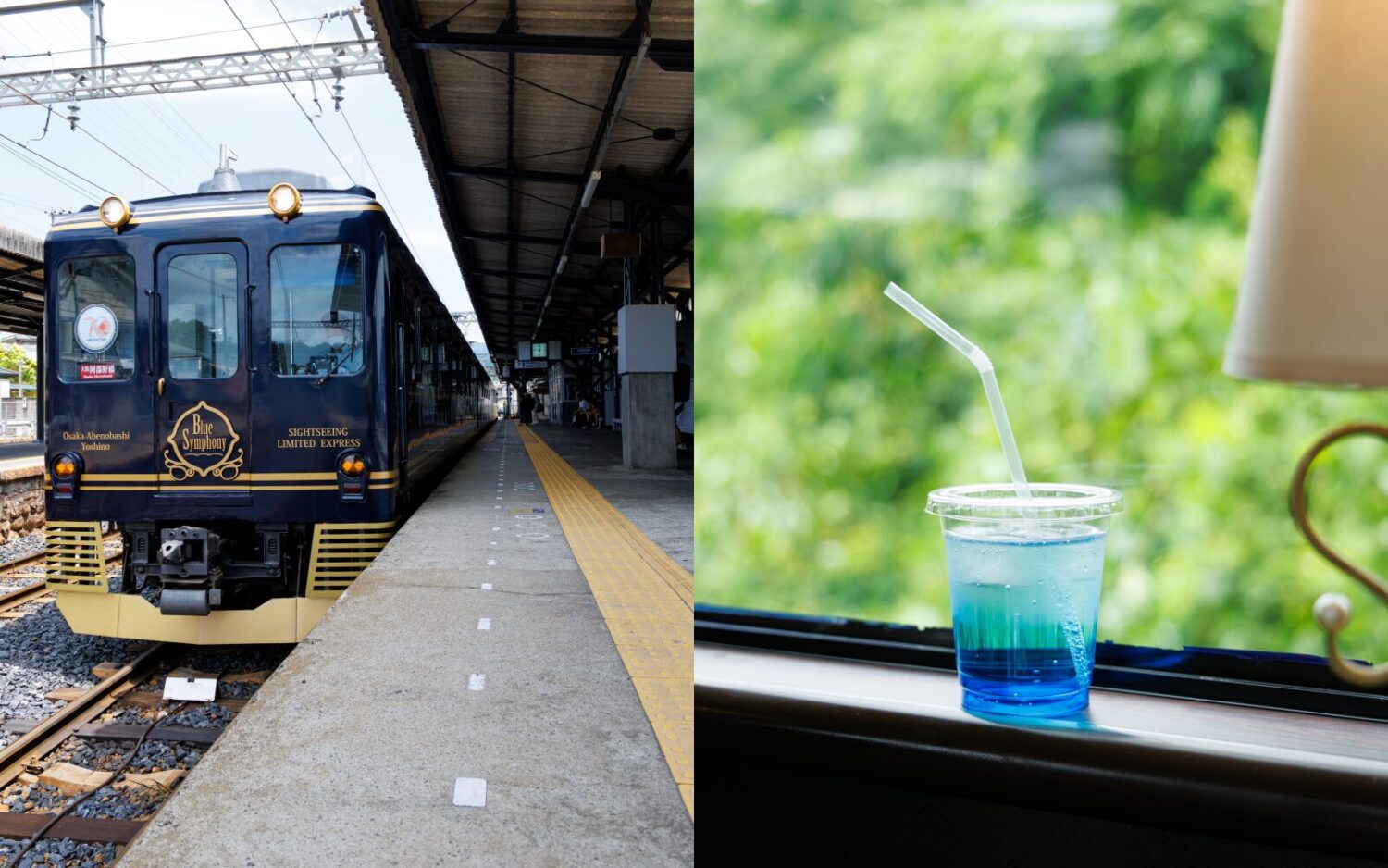
Celebrating 10 Years of a sightseeing limited express “Blue Symphony”, Let’s journey to World Heritage Sites!
Nara Prefecture is rich in history and World Heritage sites, such as Mount Yoshino, Asuka and Fujiwara regions. If you want to experience Nara’s history and nature, why not immerse yourself in the atmosphere during a scenic journey?
“Blue Symphony” operating between Osaka and Asuka and Yoshino, offers a truly special travel experience. On September 10, 2026, this train celebrates its 10th anniversary!
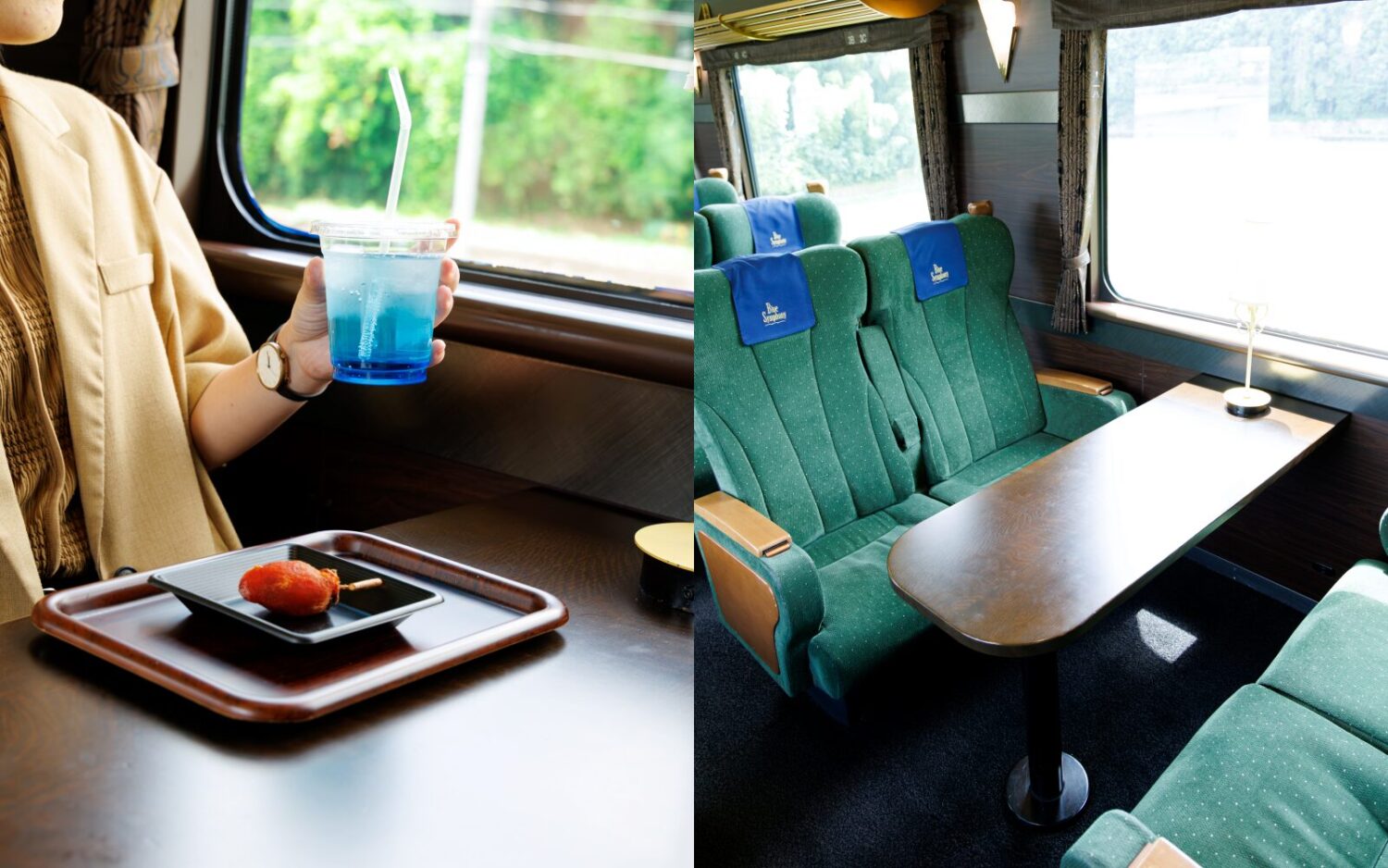
The train features a striking deep blue exterior contrasted with elegant gold accents, exuding a classic and luxurious feel. The interior is tastefully decorated with comfortable seats, allowing you to recline and enjoy the breathtaking scenery outside the windows.
Furthermore, the train includes a cafe lounge offering a curated selection of exquisite sweets, as well as menus from renowned local restaurants and sake breweries. This scenic train will allow everyone to create cherished memories and savor the charm of delicious cuisine. Reaching your destination.

Blue Symphony operates between Osaka-Abenobashi Station and Yoshino Station, stopping at various stations that serve as gateways to Nara’s World Heritage sites and magnificent natural areas, such as Asuka Station and Shimoichiguchi Station, near Dorogawa Onsen hot spring area.
Experience a journey of sophistication, learning about Nara’s history and culture. Save this post and start planning your next trip to Nara!
3. Discover the World Heritage Sites of the Asuka-Fujiwara in Nara [17 Sep. 2026]
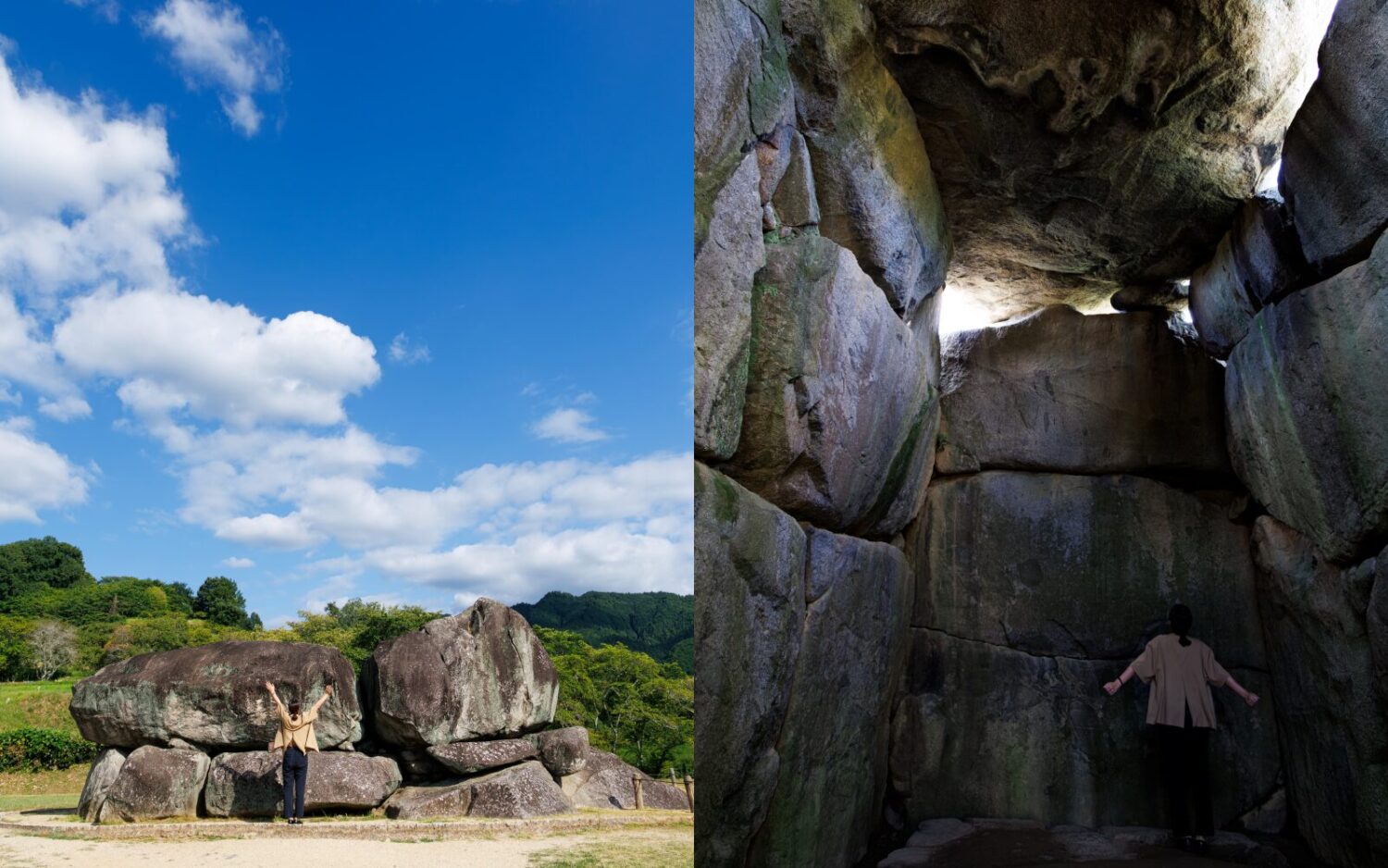
Asuka is a region that laid the foundation for Japan during its nation-building period. It still retains traces of history that span over 1,400 years, along with the enduring way of life of its inhabitants. In July 2026, it was designated as a World Heritage Site.
This land reflects a long and continuous narrative, from the origins of ancient states to the lives of its people today, all intricately interwoven and evident in its landscape and cultural heritage.
Before Japan established itself as a unified nation, the location of the Imperial Palace changed with each new emperor, resulting in no permanent capital. During the Asuka period, the capital was strategically located in Asuka, a decision influenced by the cultural and technological advancements due to exchanges with East Asia.
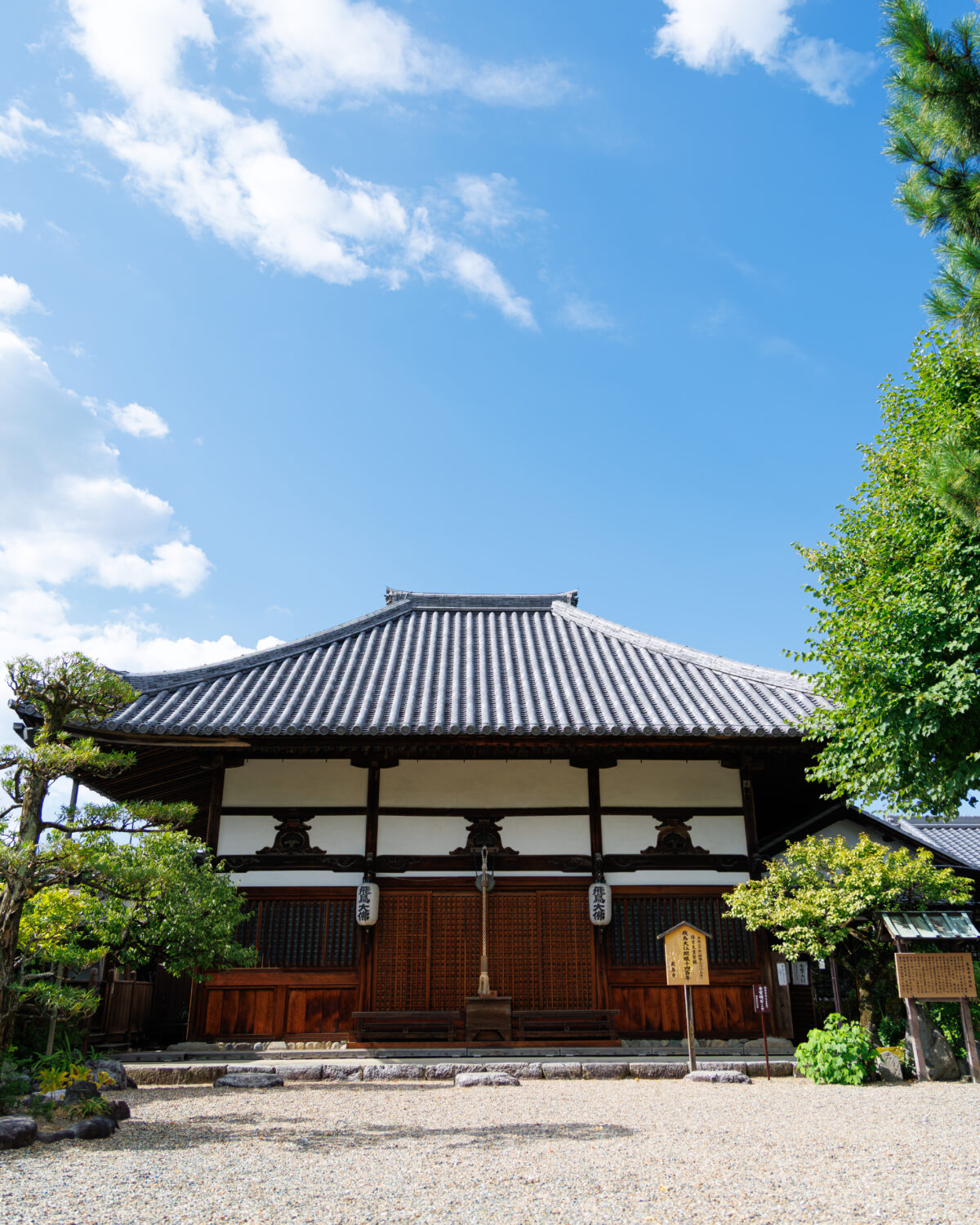
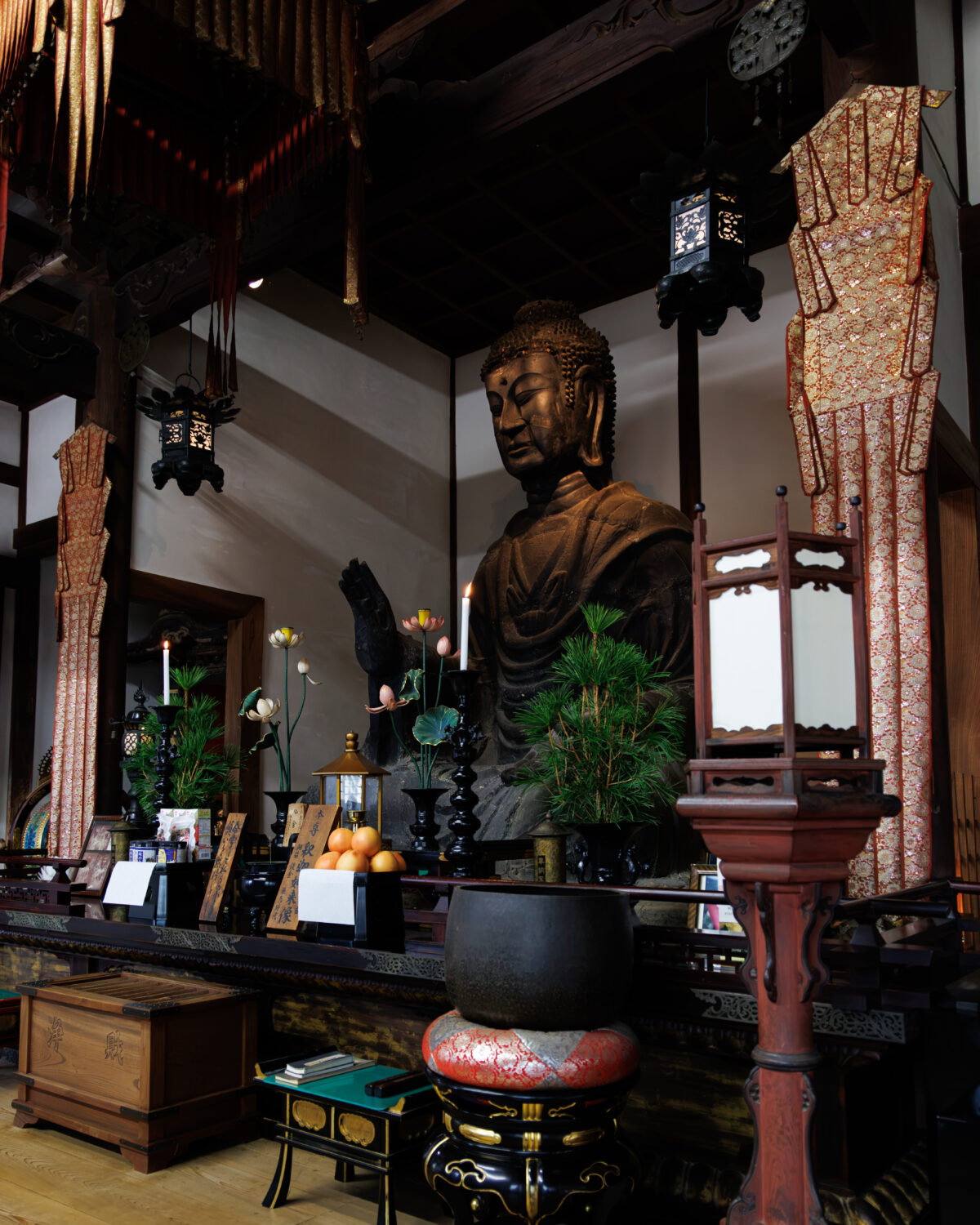
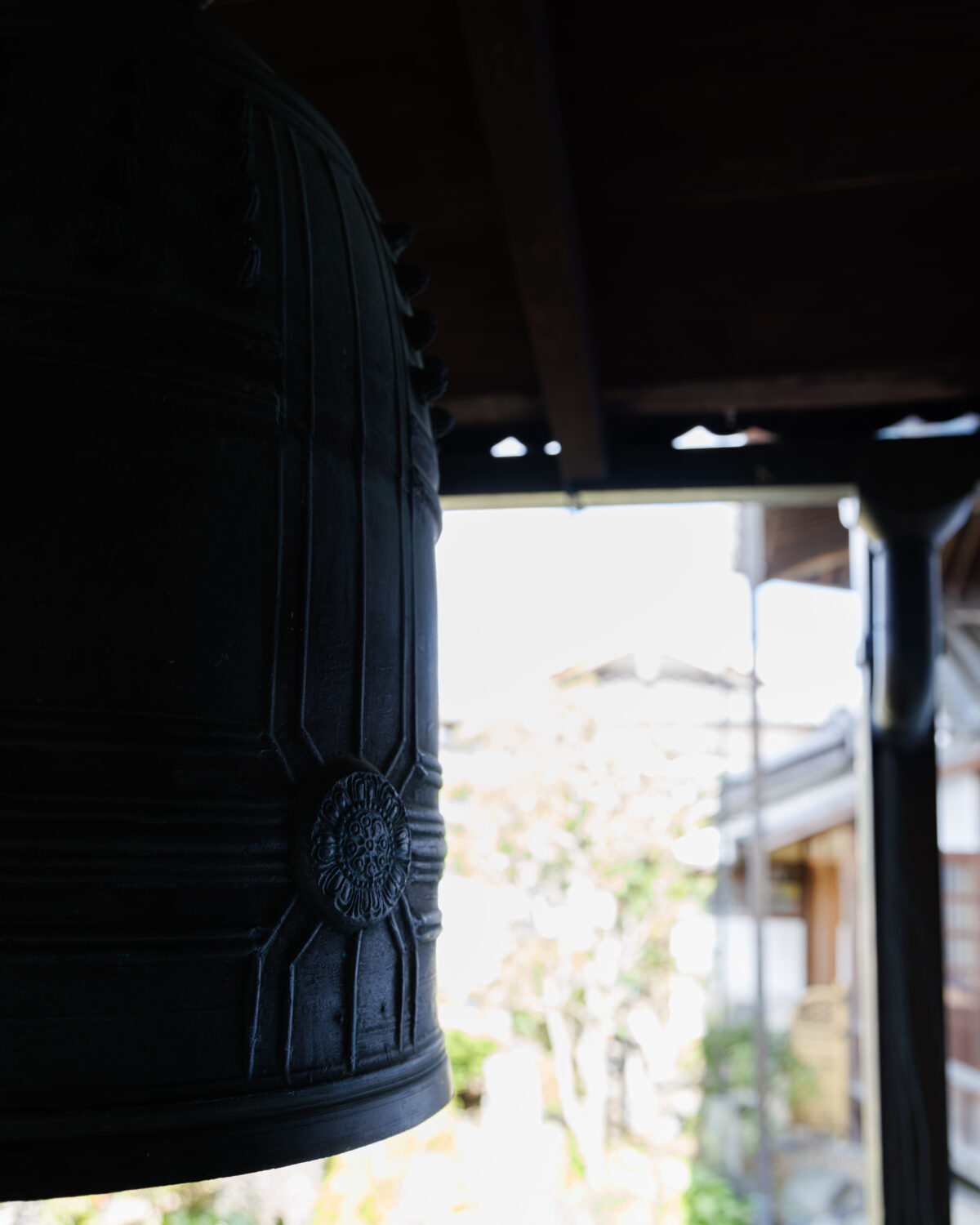
Buddhism began to spread during this time, and the first large-scale temples in Japan were constructed. Additionally, new construction technologies, influenced by international exchanges, accelerated urban development. This era marked the beginning of Japan’s recognition as a nation, alongside the establishment of its governance, legal systems, and institutions. It can be said that the foundation of modern Japan was laid during this period.
As nation-building progressed, the design of “kofun” or tombs for powerful figures, began to evolve. The Asuka period is thus regarded as the late stage of the extensive kofun culture. Previously, large tombs called “senpo koen fun” (前方後円墳) stood as symbols of rulers’ power. This design gradually shifted to rectangular tombs influenced by Chinese culture, as well as octagonal tombs reflecting an emperor-centered regime.
Key examples include “Takamatsuzuka kofun” (高松塚古墳) and “Kitora kofun” (キトラ古墳), which feature internal murals that serve as significant evidence of the transmission of ideas and art from East Asia to Japan during this period.
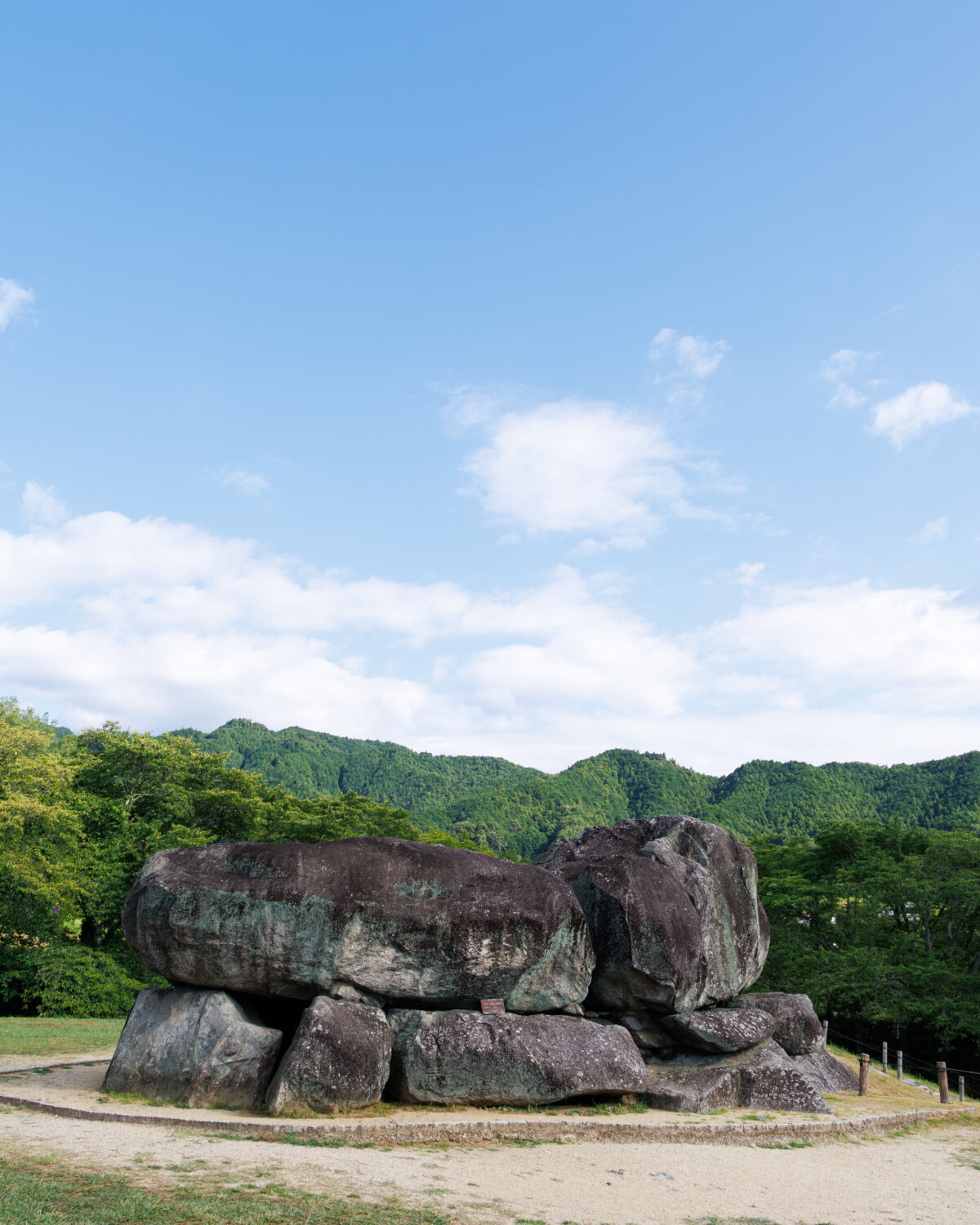
Conversely, the “Ishibutai kofun” (石舞台古墳) is a notable symbol of Asuka. It exemplifies the pre-kofun culture, where powerful individuals used the immense size of their tombs to showcase their authority. Even today, how the massive stones, totaling approximately 2,300 tons, were moved to construct this tomb remains a mystery, adding another layer to Asuka’s allure.
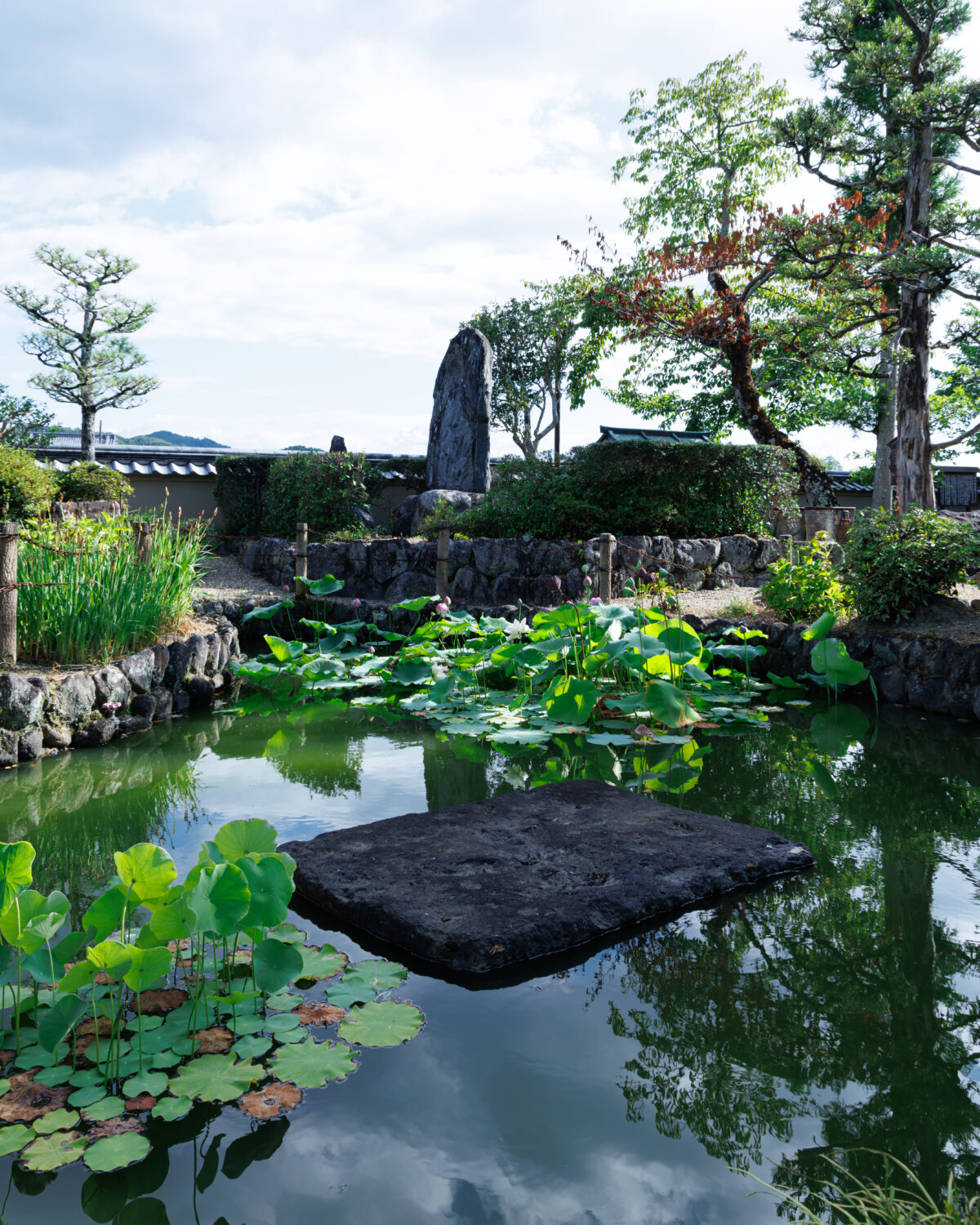
Though time has passed and Japan’s capital has relocated, the people of Asuka continue to care for and preserve these historical sites. To protect the area’s landscape, laws have restricted development and construction, maintaining the region’s natural beauty.
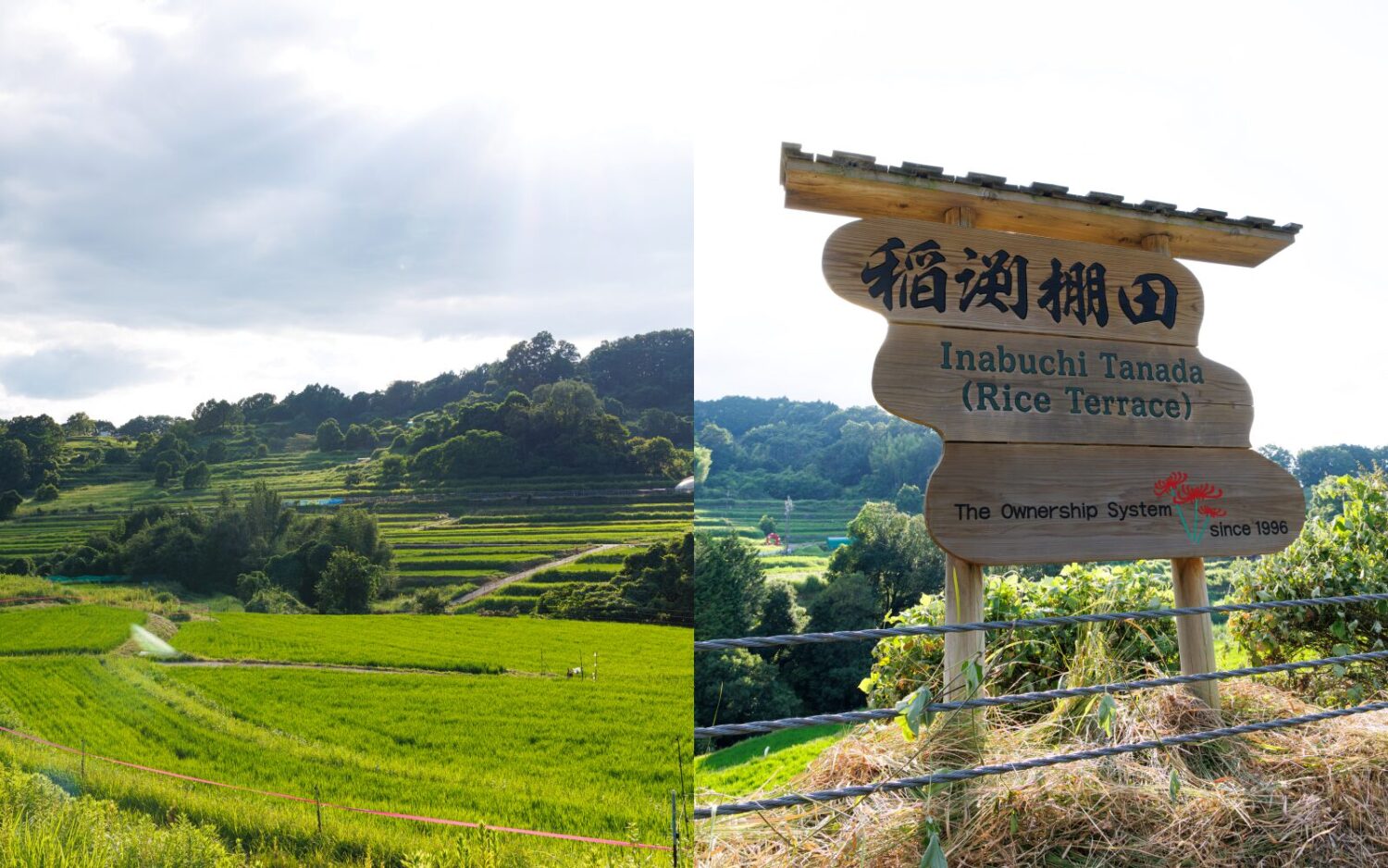
Here, you might see ancient monuments standing in isolation amidst rice fields and farmlands, without any fences or barriers, showcasing the deep connection between local life and ancient history. This is one of the primary reasons why Asuka is celebrated as a World Heritage Site.
Discover the hidden charm of Asuka, a place that seamlessly and beautifully blends the romance of the past with the traditional Japanese landscape.
More about Asuka City, Nara
Address
- Asuka, Takaichi District, Nara, Japan
How to get there
- From Osaka Namba: Take Kintetsu train to Asuka Station (57 minutes)
- From Nagoya: Take Kintetsu train to Asuka Station (2 hours and 5 minutes)
Map
4. Explore World Heritage Sites and Savor the Flavors of Asuka [22 Sep. 2026]

Savor the flavors of Asuka while surrounded by breathtaking World Heritage scenery.
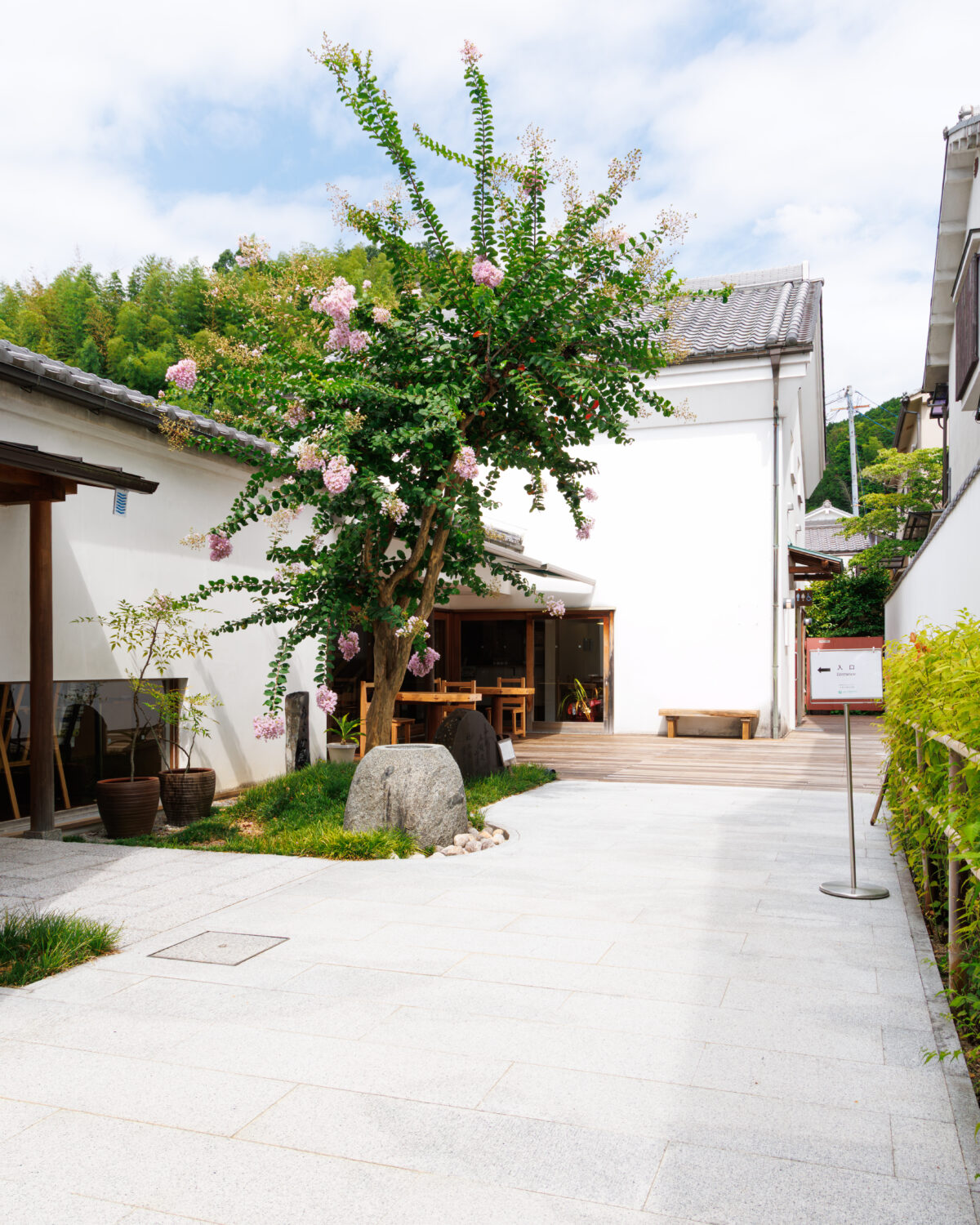
The Asuka area is a designated World Heritage site, rich in historical structures like ancient tombs and ruins that showcase a lifestyle from ancient times to the present. Within this charming setting, several delightful restaurants await travelers!
Today, we would like to introduce restaurants and cafes ideal for a stopover while exploring Asuka.
-
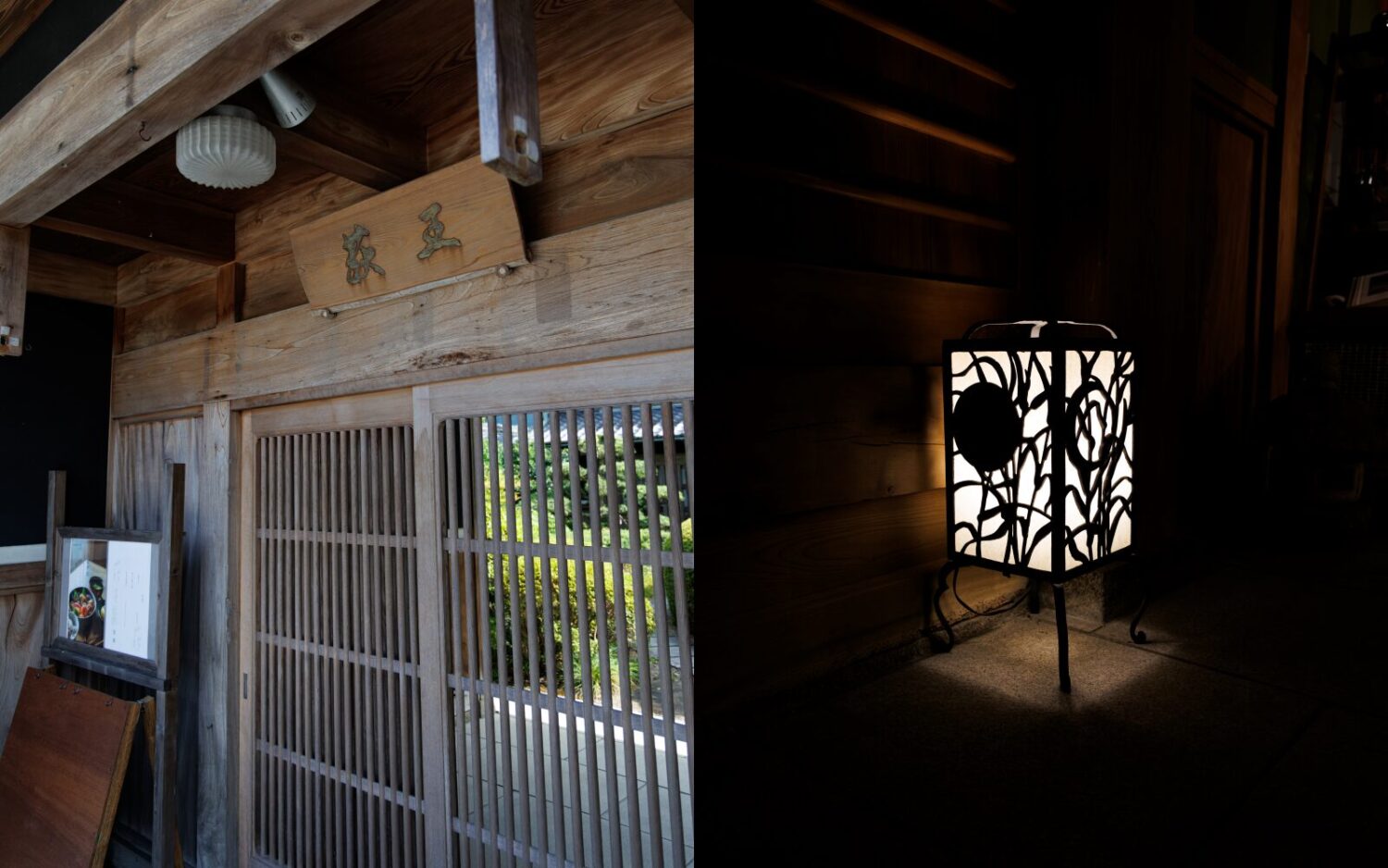
- Hagio
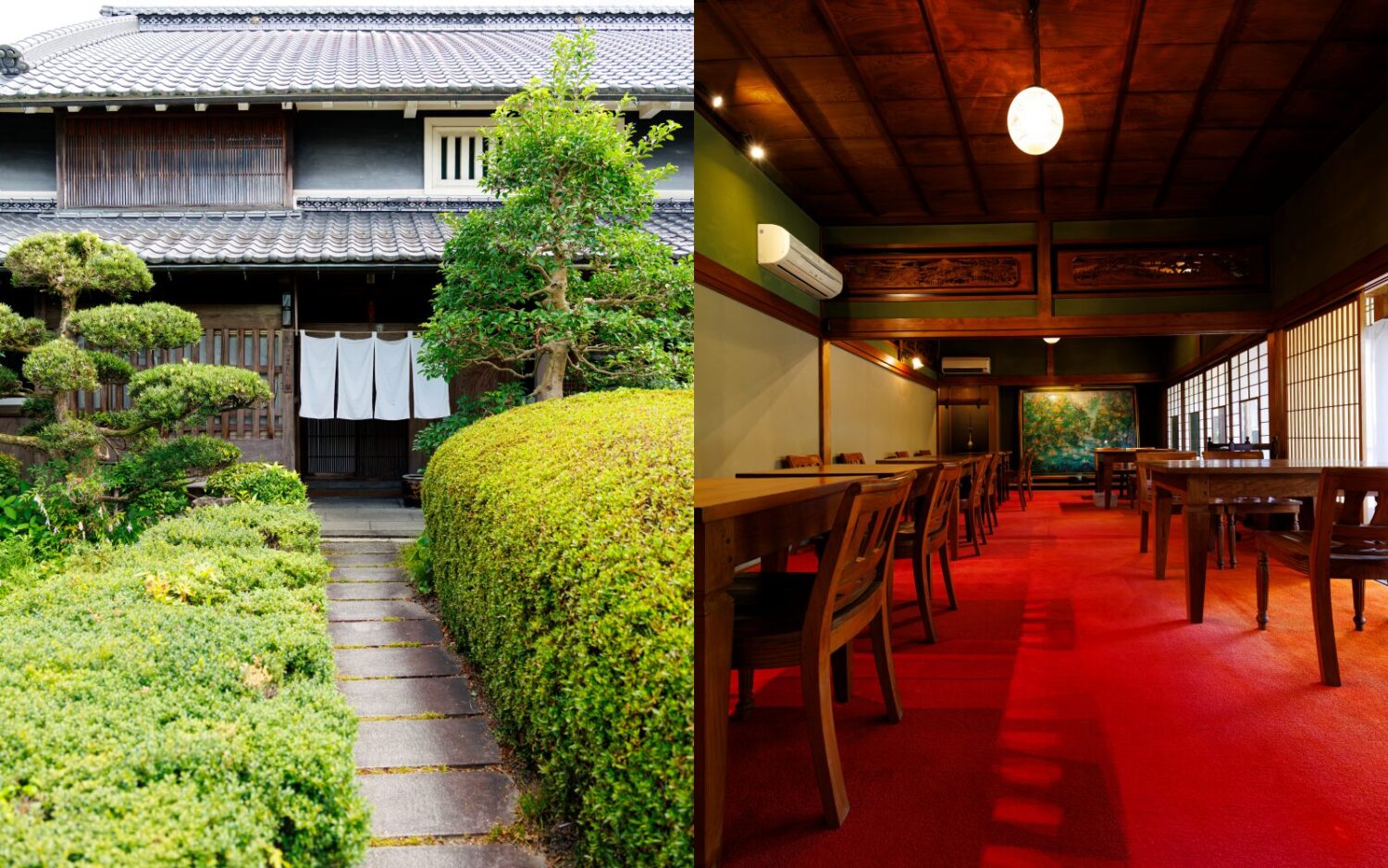
Hagio is located in a beautifully converted 19th-century residence, featuring an elegant interior with red carpeting and views of a central garden.
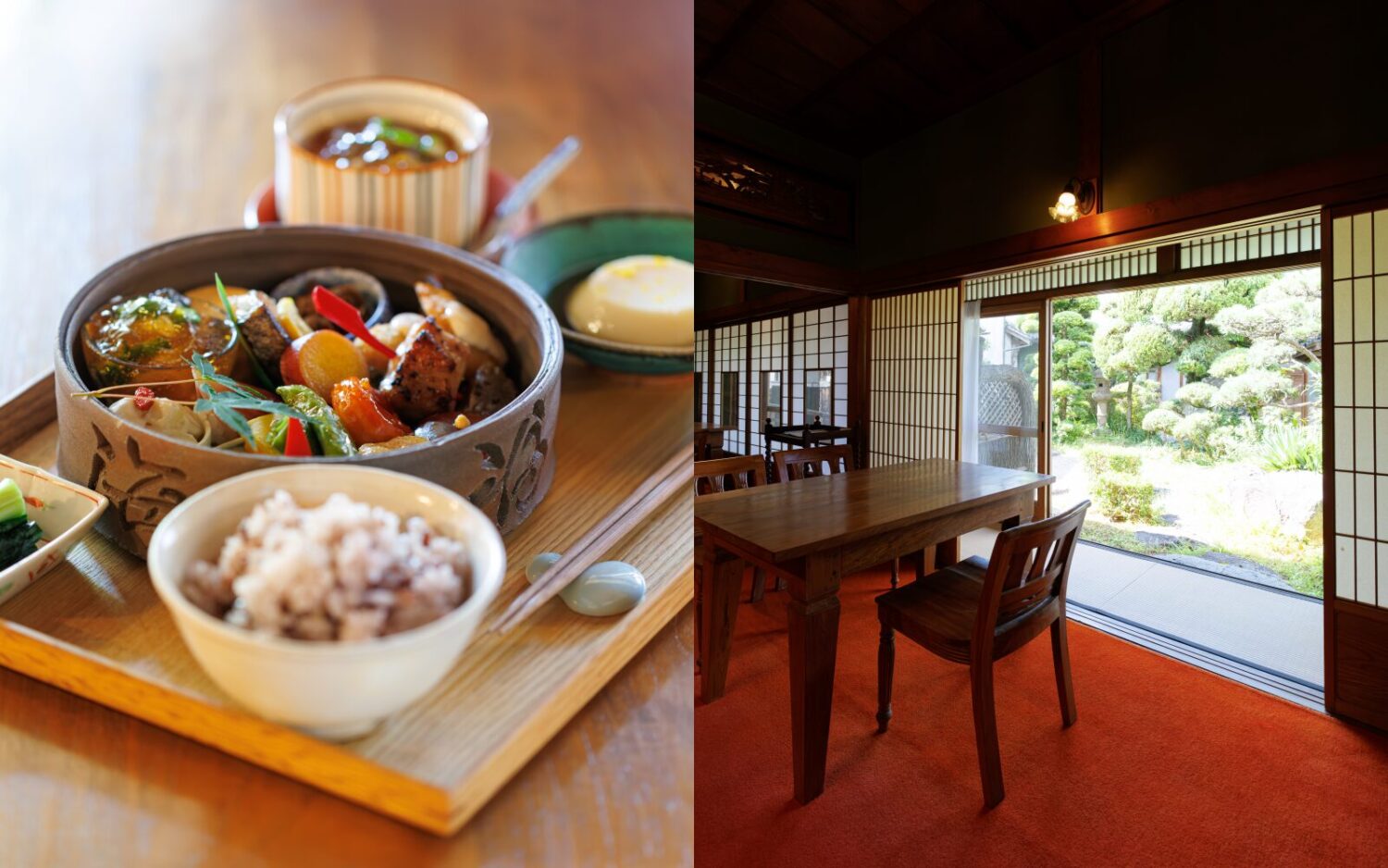
Each dish is crafted from carefully selected premium ingredients, ensuring a delightful dining experience.
How to get there: Hagio is just an 8-minute taxi ride from Asuka Station.
-
- Cafe de Manyo
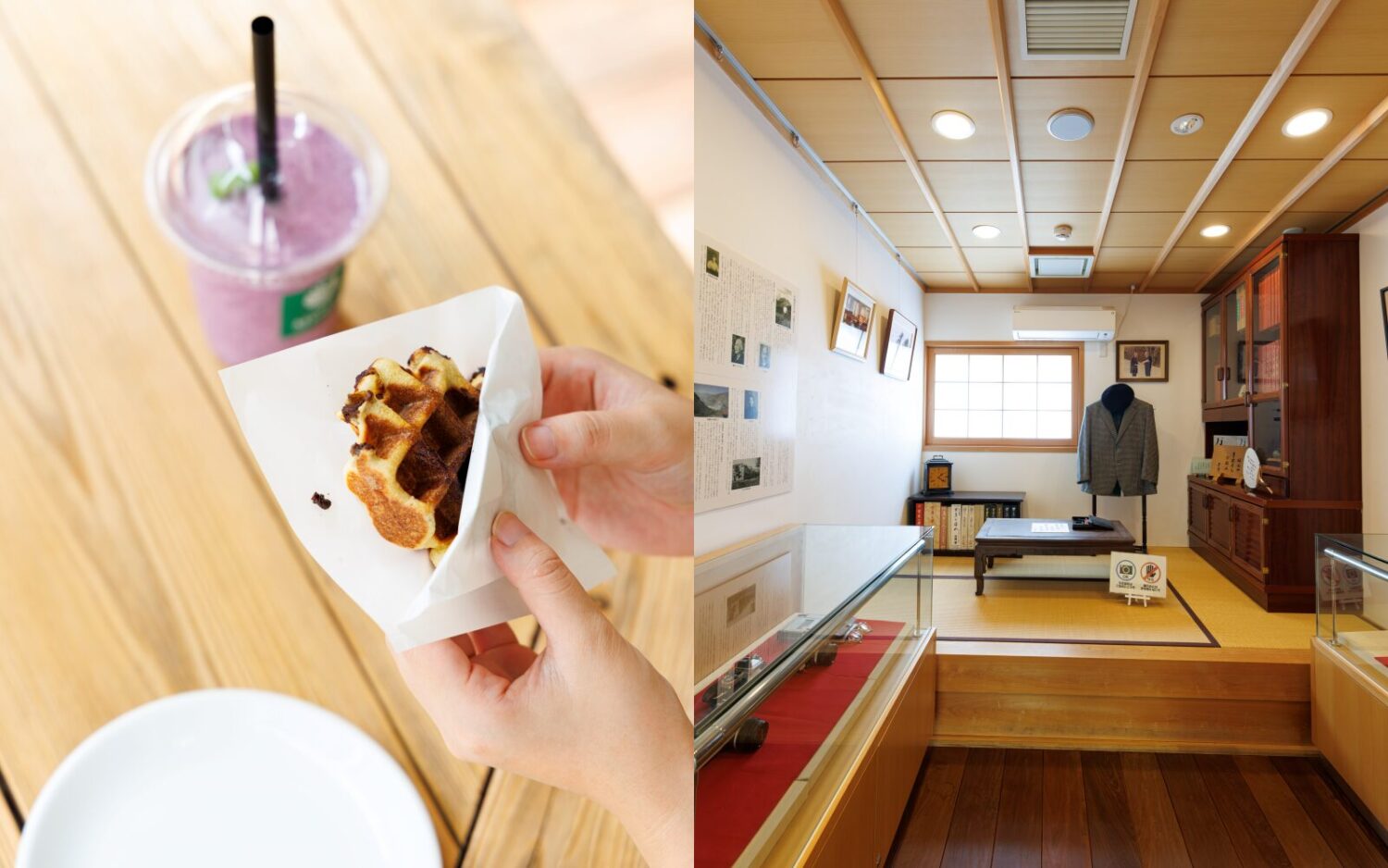
This cafe, situated in the Inukai Man’yo Memorial Hall, offers a relaxing atmosphere where visitors can enjoy waffles and coffee made from Nara Prefecture wheat flour.
The takeout option allows you to savor your meal while exploring the scenic landscapes celebrated in the Man’yoshu poetry anthology.
How to get there: It’s also an 8-minute taxi ride from Asuka Station.
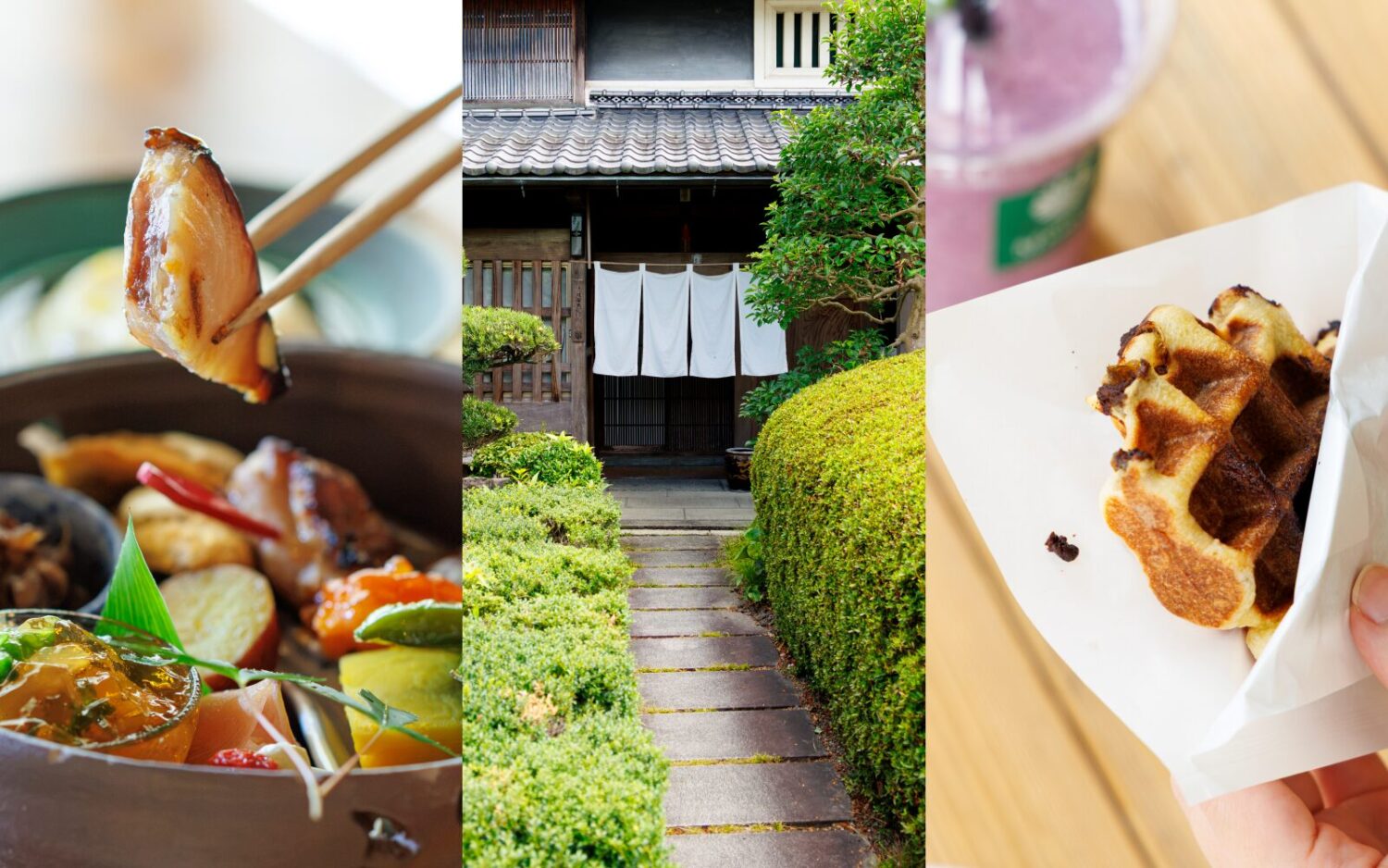
Experience the charm of Asuka with all five senses. Share this post with friends and start planning your next trip!
More about Asuka City, Nara
Address
- Asuka, Takaichi District, Nara, Japan
How to get there
- From Osaka Namba: Take Kintetsu train to Asuka Station (57 minutes)
- From Nagoya: Take Kintetsu train to Asuka Station (2 hours and 5 minutes)
Map
5. Journey Back in Time to Ancient Japan Aboard the “Shijin Liner” Sightseeing Train [25 Sep. 2026]
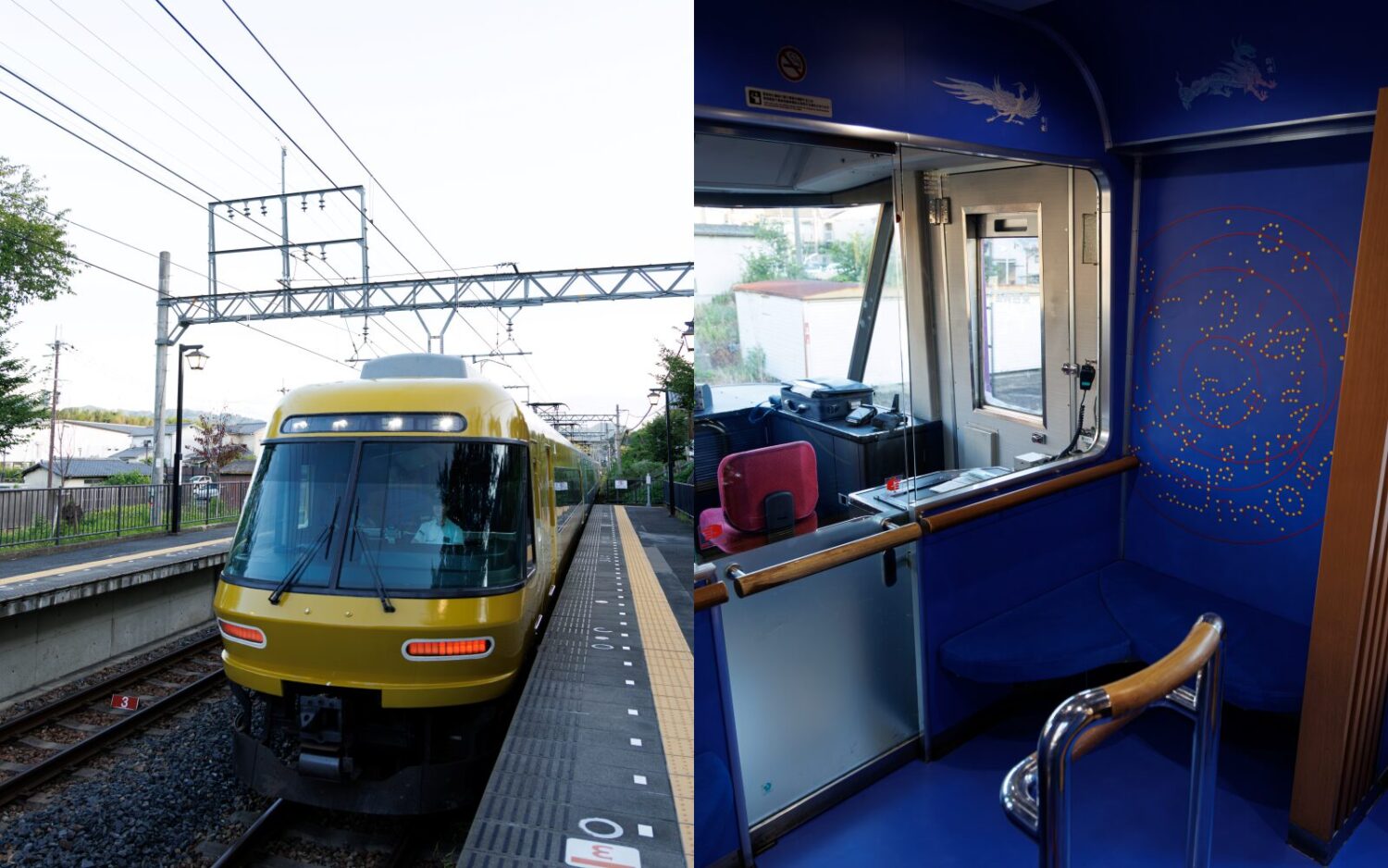
Experience a journey back in time and immerse yourself in the nostalgia of ancient Japan aboard the “Shijin Liner” sightseeing train, which travels through the Asuka-Fujiwara region.
The “Shijin Liner” operates on the route between Osaka-Abenobashi Station and Yoshino Station.
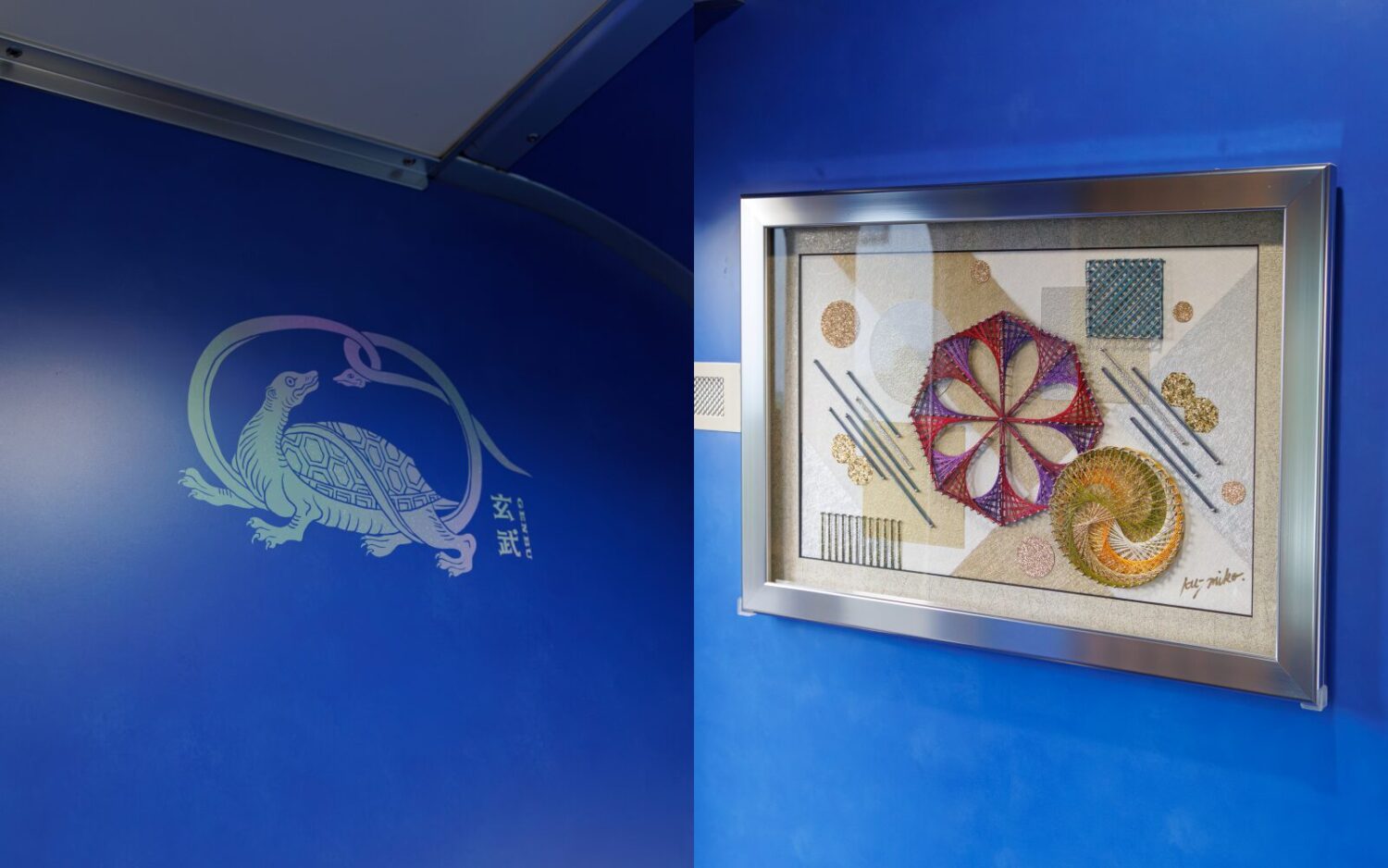
The term “Shijin” translates to “Four Deities” in Japanese, referring to the four guardian beasts, Azure Dragon, Vermilion Bird, Black Tortoise, and White Tiger who are believed to govern and protect the four cardinal directions in Japanese mythology.
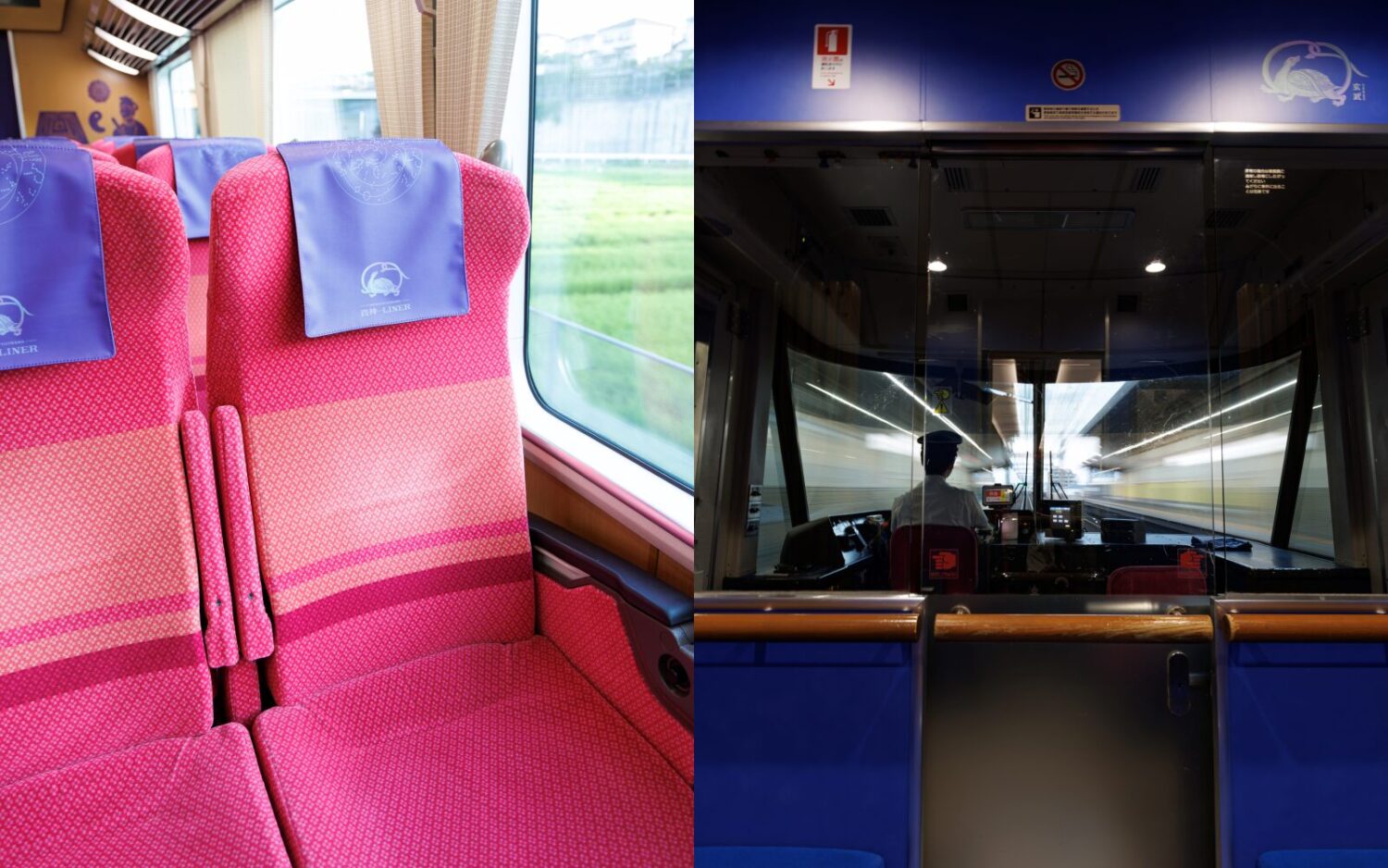
These four deities have a profound connection with the Asuka region, as they appear in murals inside ancient tombs found there, which are now recognized as World Heritage sites. This cultural significance inspired the train’s name.
The train features four cars, each designed with a unique theme. Both the exterior and interior of the train are adorned with motifs representing each deity, along with decorative elements that reflect the Asuka area.
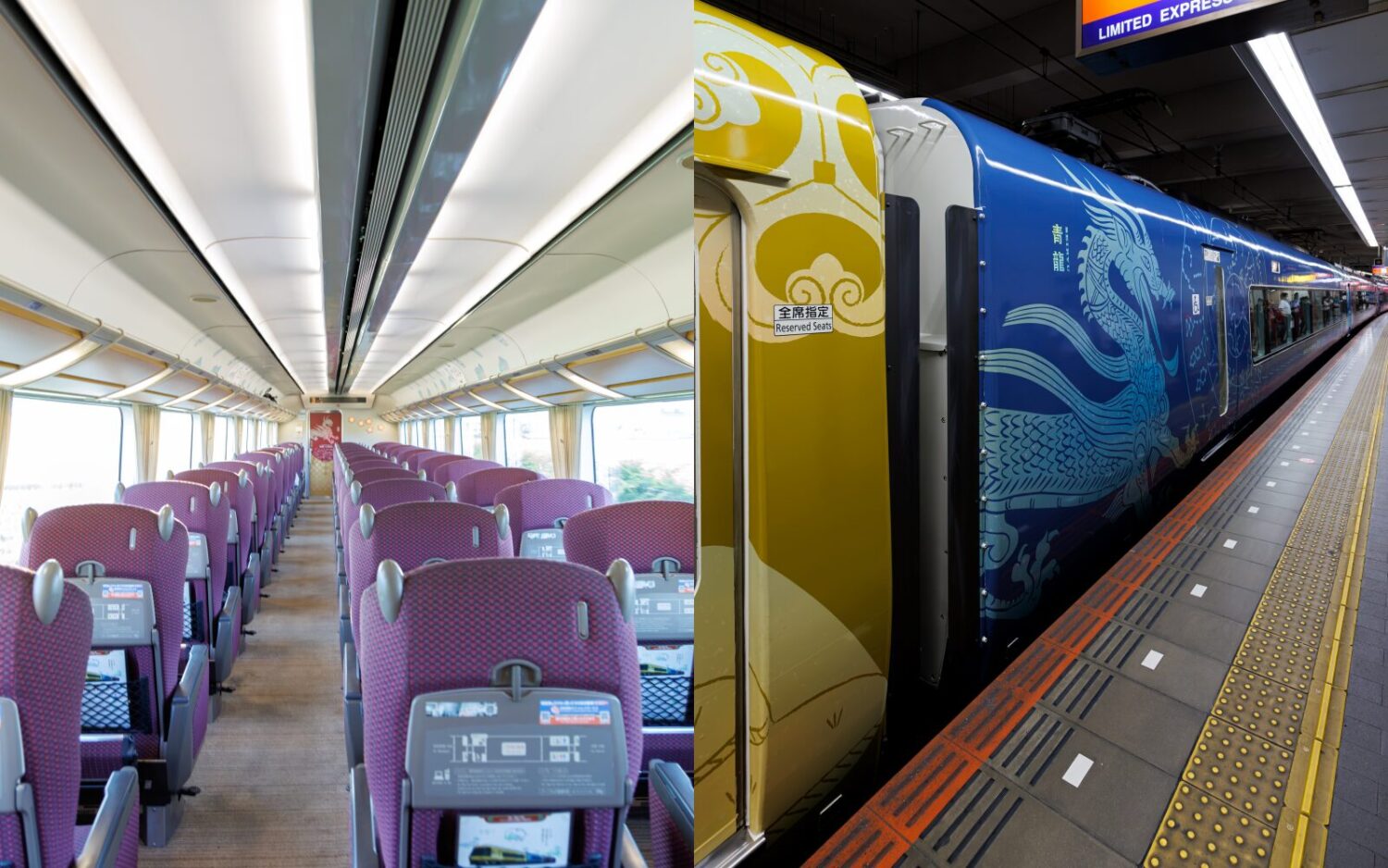
As a result, the train’s design and decor inspire curiosity and heighten anticipation for the incredible experiences that await passengers upon their arrival in Asuka.
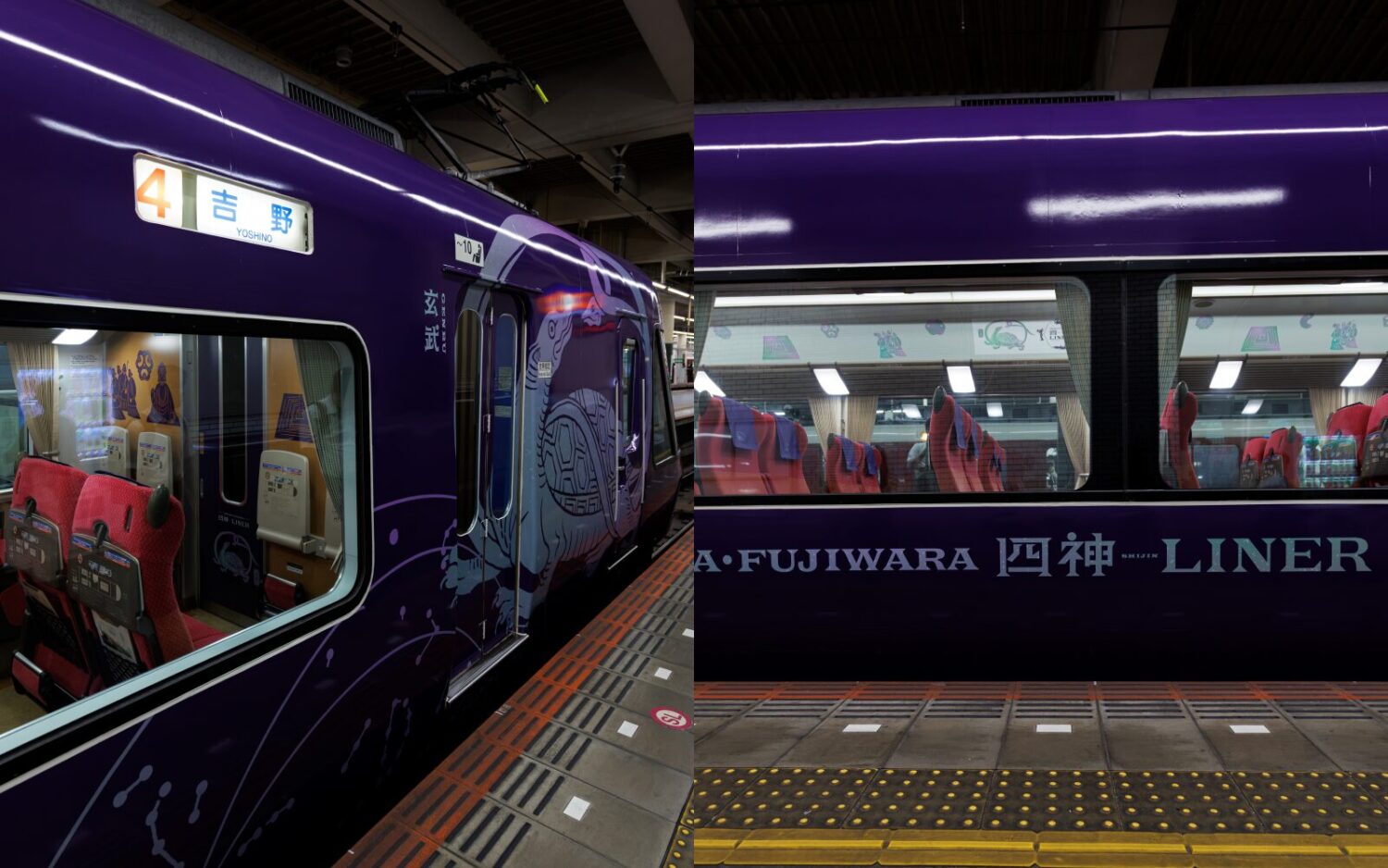
Embark on an exhilarating journey filled with historical stories and discover the wonders that await you at your destination.
If you’d like to ride the “Shijin Liner,” be sure to save this post for your future travels!
6. Take in Osaka’s Sparkling Nighttime Views from HARUKAS 300 [30 Sep. 2026]
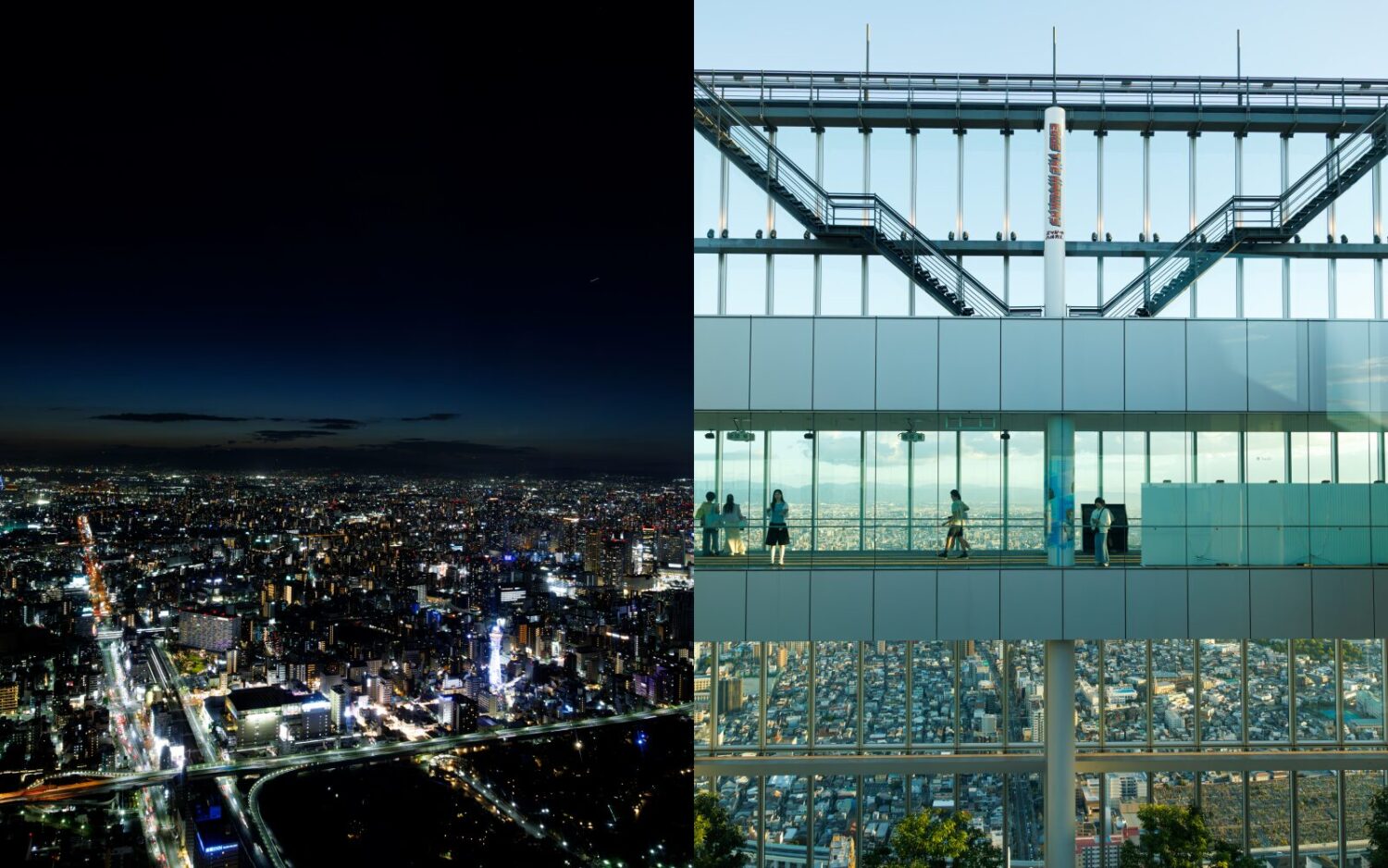
HARUKAS 300 is an observation deck that offers panoramic views of Osaka from 300 meters above ground. As the sun begins to set, the city lights gradually illuminate the landscape, revealing a side of Osaka that appears completely different from the daytime.

On a clear day, you can see as far as Kansai International Airport, that are the gateway to Osaka, as well as Nara, Kyoto, and beyond. This view feels like you are walking through the sky.
Osaka’s beauty truly shines as the sun dips below the horizon and the city lights start to sparkle across the landscape. It’s a moment to appreciate the city’s grandeur and charm in a way that is entirely different from daylight hours.

Another highlight of HARUKAS 300 is the open-air deck, where you can step outside to feel the night breeze while gazing at the sprawling cityscape below.

After a full day of fun travel, why not end your trip by taking a moment to admire the magnificent view from above and capture some lasting memories?
If you want to see this stunning view for yourself, be sure to save this post for planning your next trip!
How to get there
- From Osaka-Namba
- Walk from Osaka-Namba Station to Namba Station. Then, take Osaka Metro Midosuji Line to Tennoji Station (approx. 6 minutes); it is a short walk from Tennoji Station to the destination.
- From Nagoya
- Take Kintetsu train from Nagoya Station to Osaka-Namba Station (2 hours 5 minutes). Then, walk to Namba Station and take Osaka Metro Midosuji Line to Tennoji Station (approx. 6 minutes); it is a short walk from Tennoji Station to the destination.
Ref. : Kintetsu Railway English
Read more articles
- Kintetsu Railway Monthly News in August 2026
- Kintetsu Railway Monthly News in July 2026
- Kintetsu Railway Monthly News in June 2026
Recommended Links

ทุกเรื่องราวน่าสนใจเกี่ยวกับญี่ปุ่น เรารวบรวมไว้ที่นี่แล้ว! จะกิน เที่ยว ช้อป หาข่าว หรือหาข้อมูลต่างๆ เราจัดให้หมด เพจเฟซบุ๊กเราก็มีนะ เสิร์ชเลย > fromJapan.th ❤



Keep up with the latest trends, news, and fun activities. For more info, check out fromJapan page!