Kintetsu Railway Monthly News in October 2026
Nov 10, 2026
Kintetsu Railway Monthly News in October 2026
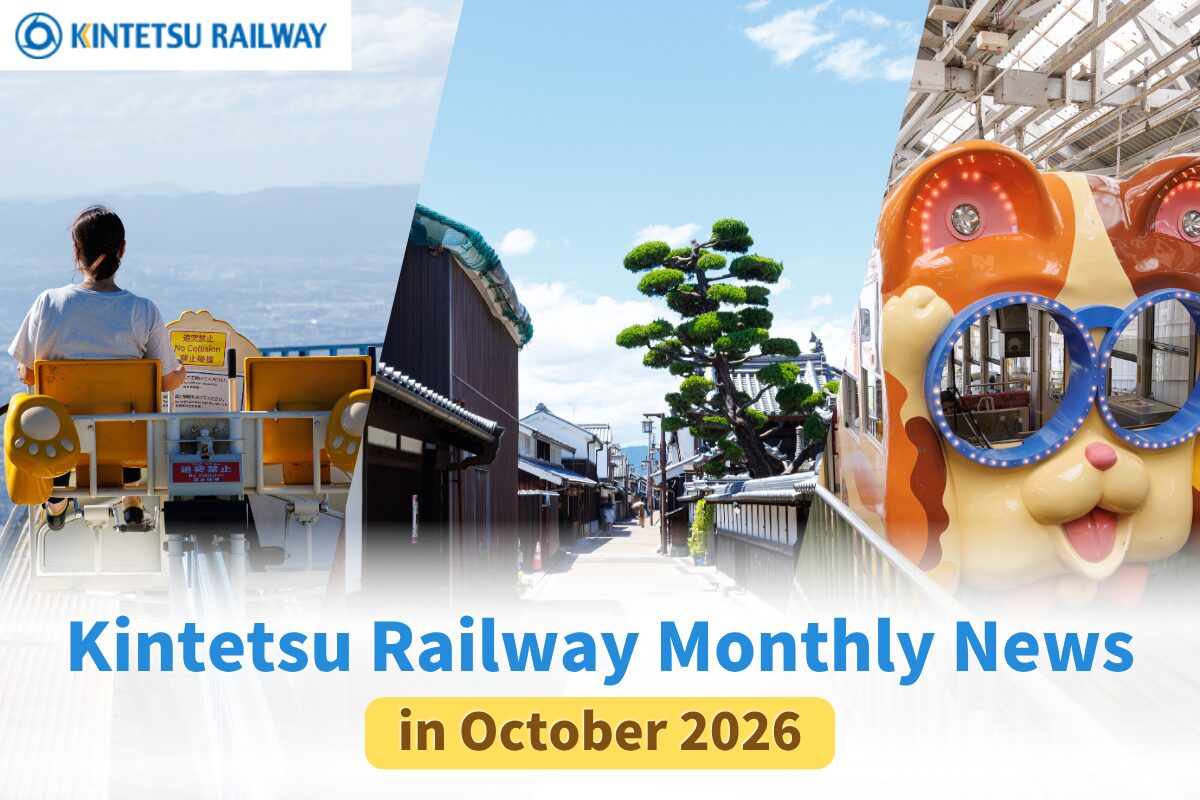
This October, we’re taking you on a journey to Imai-cho, Nara’s historic merchant town, where streets are still lined with traditional buildings dating back to the Edo period. We’ll also stop by two must-visit restaurants housed in traditional Japanese wooden townhouses known as machiya, where you can enjoy delicious local dishes.
Next, we’ll explore Hasedera Temple, nestled in a picturesque valley, before hopping aboard an adorable retro-style cable car to visit a nostalgic amusement park. To wrap up our journey, we’ll head to Hozanji Temple to pray for good fortune and prosperity in business.
So, Let’s get started!
Index
- Discover Imai-cho, The Merchants’ Town in Nara That Once Challenged Sengoku Warlords
- Savor Delicious Food at Two Must-Try Restaurants in Traditional Japanese Machiya Townhouses
- Experience Japan’s Four Seasons Through Light and Shadow at Hasedera Temple
- Enjoy a Nostalgic Amusement Park and Breathtaking Views from the Summit of Mount Ikoma
- Start your retro journey with an adorable cable car!
- Pray for Business Prosperity Amid Japan’s Mystical, Retro Charm at Hozanji Temple
1. Discover Imai-cho, The Merchants’ Town in Nara That Once Challenged Sengoku Warlords
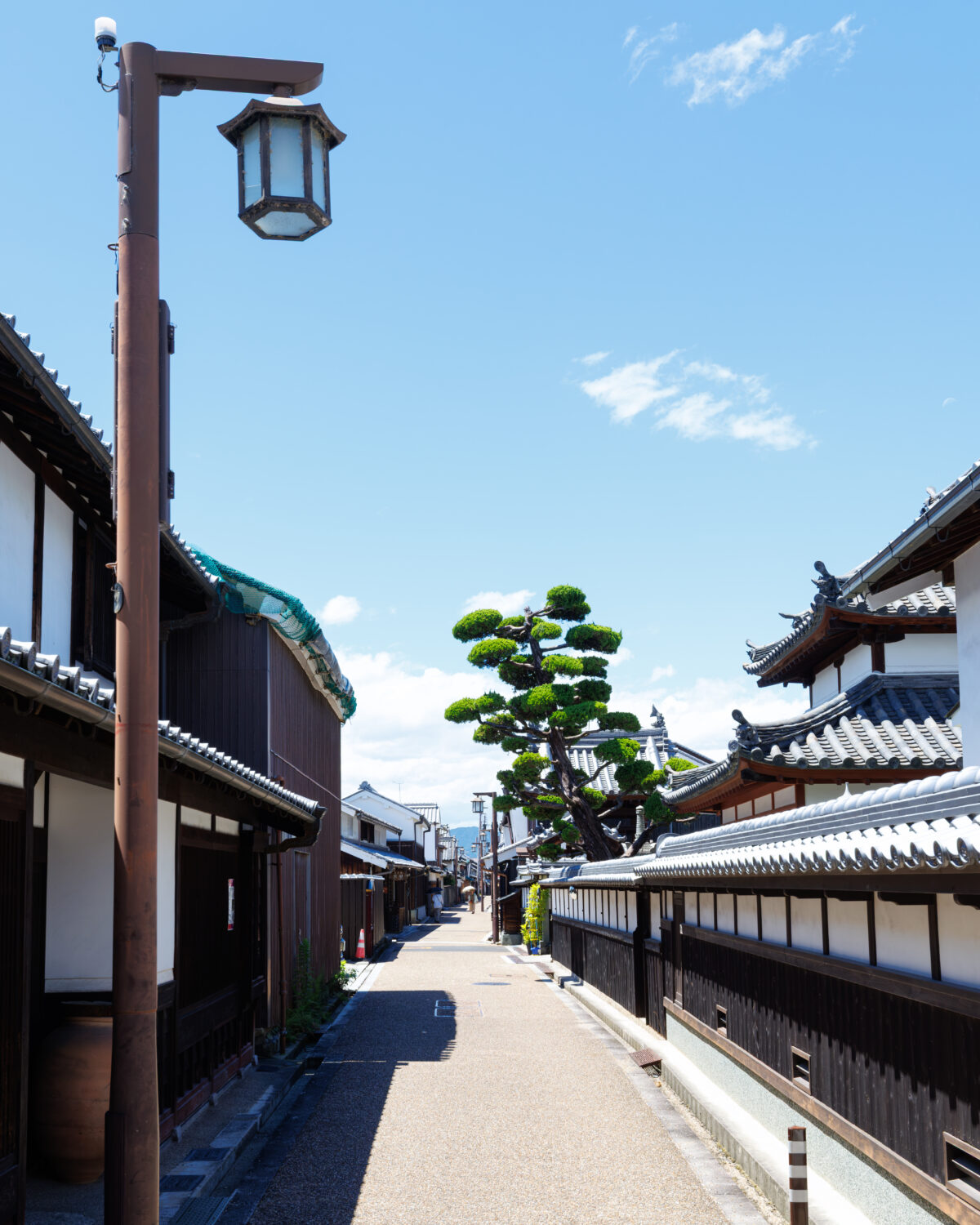
“Imaicho,” located in Kashihara City, Nara Prefecture, is a historic town where streetscapes from the Edo period still remain, offering visitors a glimpse into old Japan.
However, this was once a powerful merchant town, so well-fortified and prosperous that even Sengoku warlords could not easily attack it.
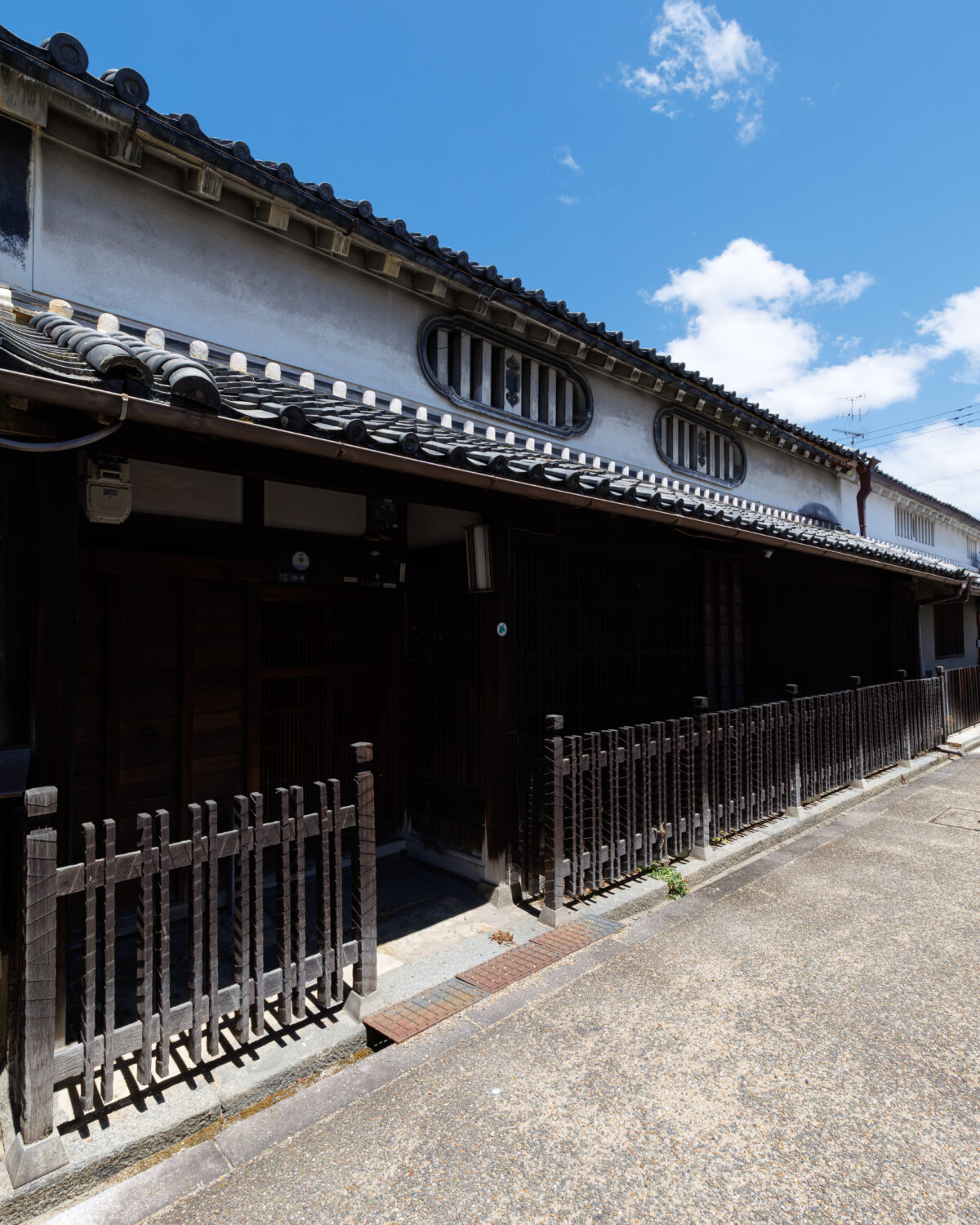
One of the defining features of Imaicho is its “Machiya,” traditional townhouses that served as both homes and shops for merchants.
Their imposing exteriors, characterized by white walls and traditional latticework, offer a glimpse into the town’s prosperity as a thriving commercial center.
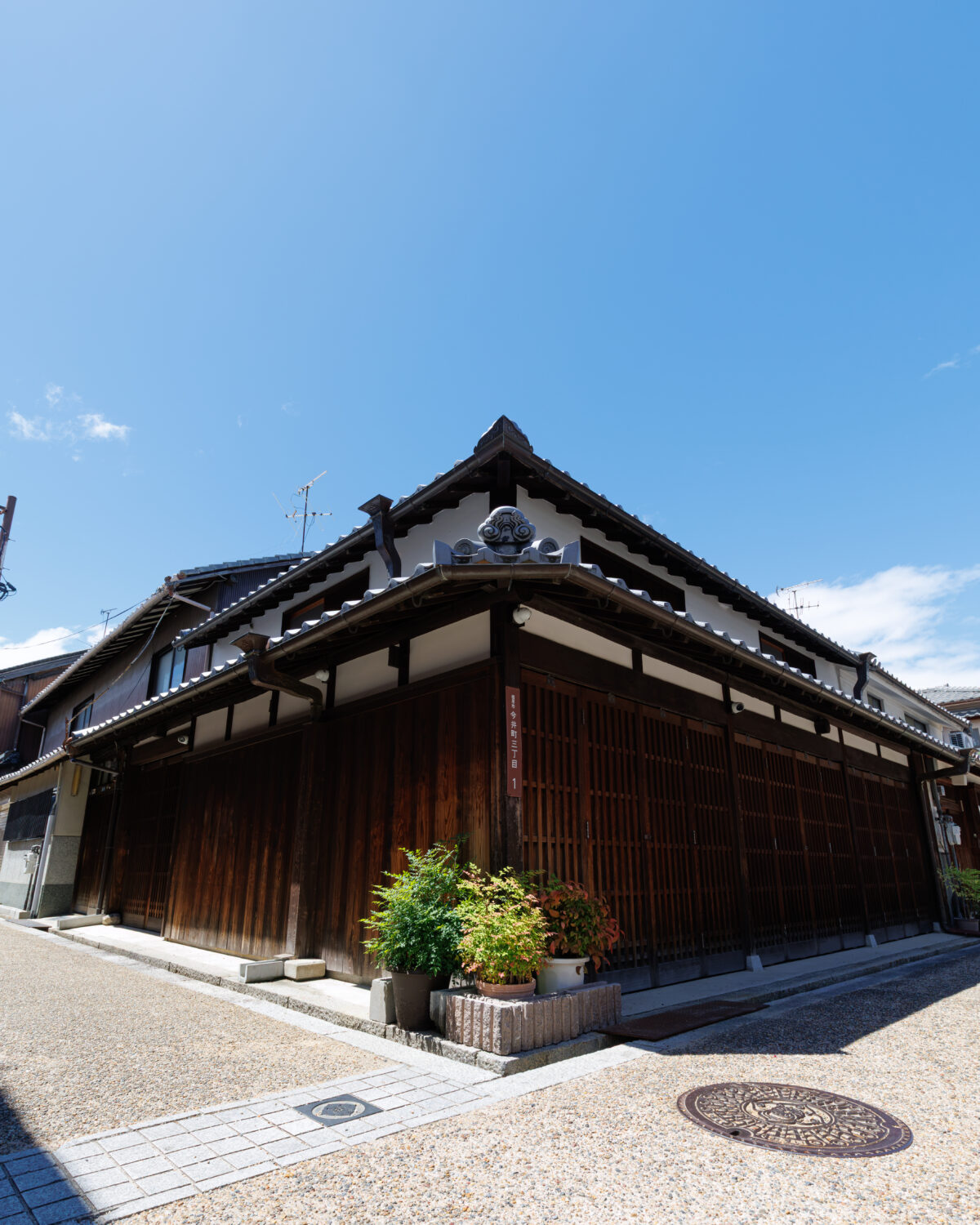
Unlike a “Jokamachi,” a castle town commonly associated with urban development during the Sengoku period, Imaicho developed as a “Jinaimachi,” a town built around a temple.
The community was united by their faith, while moats and earthen embankments were built around the town.
The streets were deliberately laid out in a winding and intricate pattern, making it difficult for outsiders to attack. This defensive town layout remains one of the defining characteristics of Imaicho’s historic streetscape.
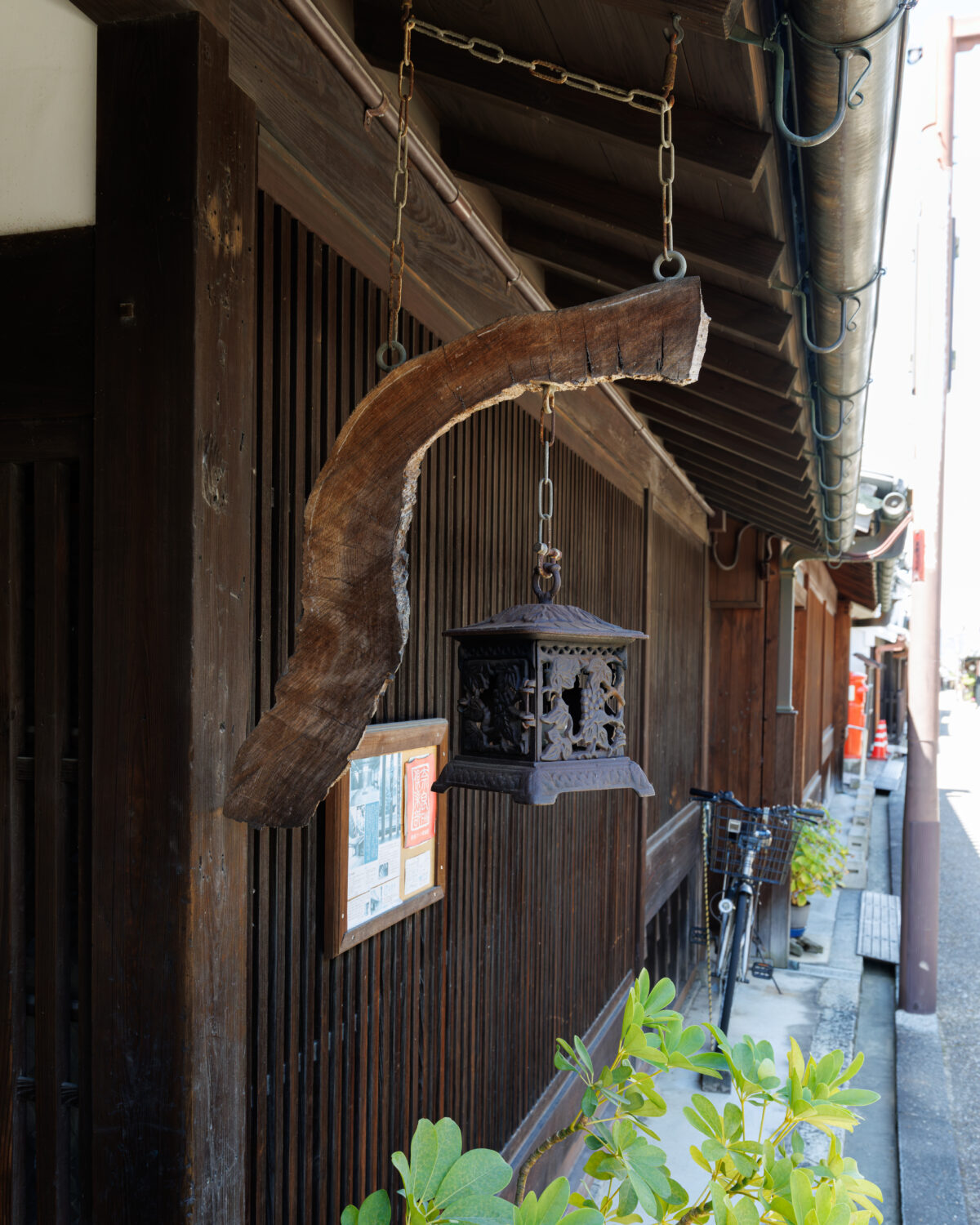 During the Sengoku period, commerce in Imaicho continued to flourish as the town became an important hub for the transportation and distribution of goods.
As a result, the merchants of Imaicho gained enough economic power, military strength, and unity to resist samurai forces, becoming a presence that even powerful warlords could not afford to ignore.
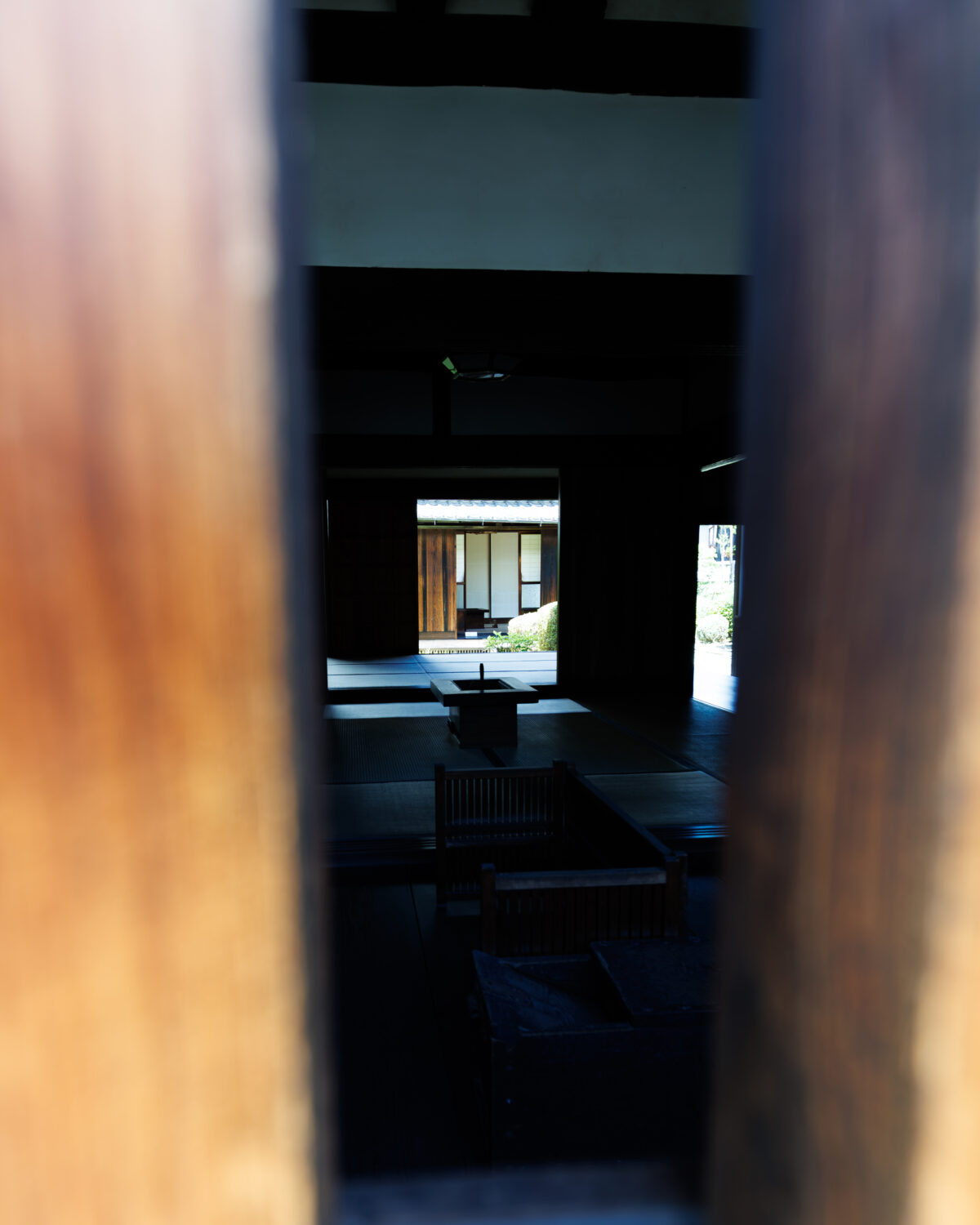 During the Edo period, their economic power grew even further, with businesses such as finance for feudal lords and sake brewing flourishing in the town.
Imaicho became so economically powerful that its own local currency circulated, and the town was granted special privileges that allowed it to enjoy a considerable degree of self-governance.
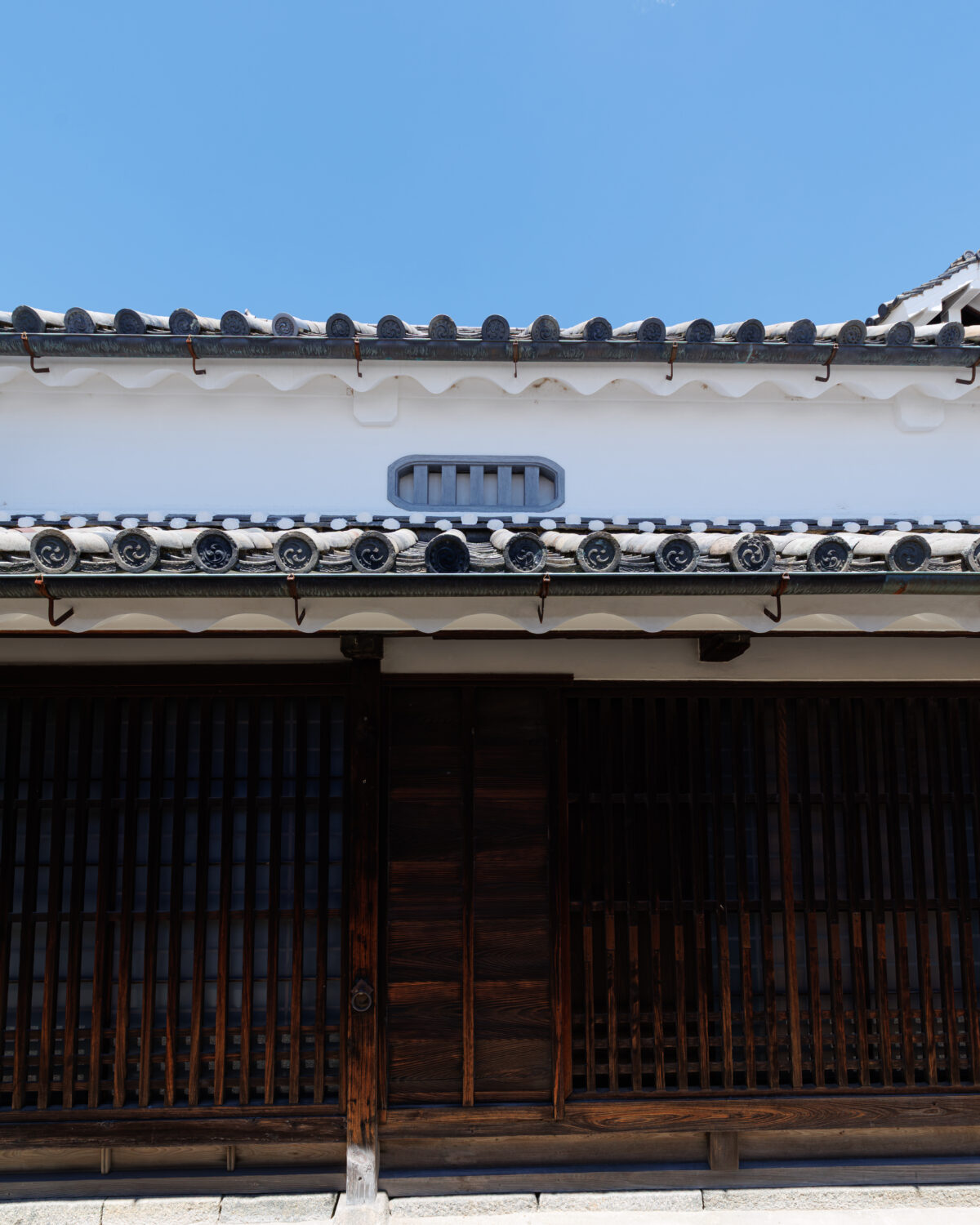 Although the town gradually lost its prosperity as times changed, efforts were also made to preserve its historic streetscape. Today, its historical value is widely recognized, and many buildings designated as Important Cultural Properties still remain.
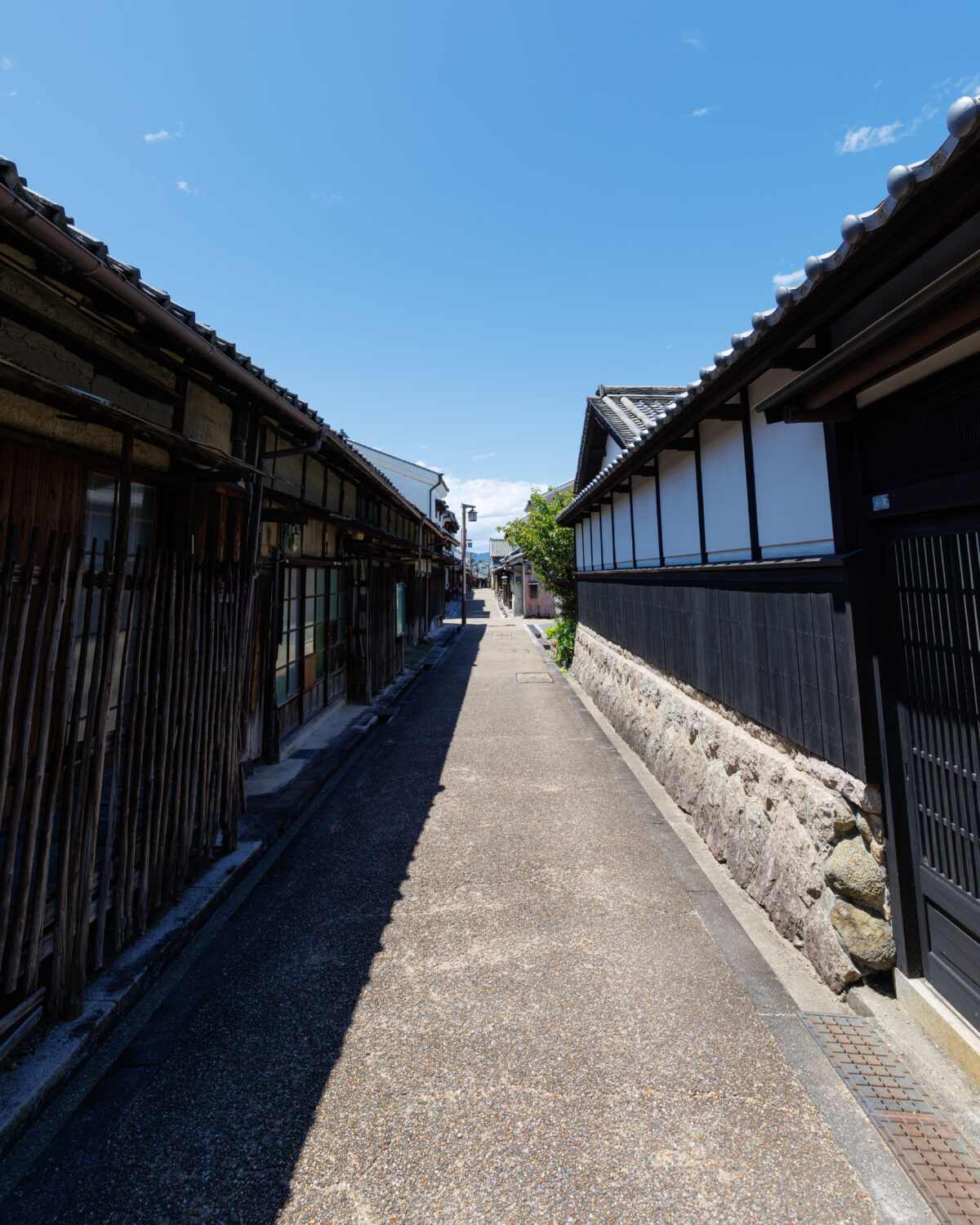 Even today, visitors can explore sake breweries and traditional Machiya, offering a chance to experience the history of a town built and protected by generations of merchants.
Knowing the history of Imaicho makes exploring its streets an even richer and more enjoyable experience.
More about
Address
- Kashihara, Nara 634-0812 Japan
How to get there
- From Osaka-Namba : Take a Kintetsu Limited Express train from Osaka-Namba Station to Yamato-Yagi Station (approx. 29 minutes). Then, transfer to the Kashihara Line and take a train to Yagi-Nishiguchi Station (approx. 1 minute). From there, it’s about a 7-minute walk.
- From Nagoya : Take a Kintetsu Limited Express train from Kintetsu-Nagoya Station to Yamato-Yagi Station (approx. 1 hour 52 minutes). Then, transfer to the Kashihara Line and take a train to Yagi-Nishiguchi Station (approx. 1 minute). From there, it’s about a 7-minute walk.
Map
2. Savor Delicious Food at Two Must-Try Restaurants in Traditional Japanese Machiya Townhouses
Imaicho is lined with traditional Japanese buildings that once served as both homes and places of business.
Some of these machiya have retained their traditional exteriors while housing restaurants and cafés that preserve Imaicho’s history.
Here are two places to visit in Imaicho!
-
- Saryo Hakutai (茶寮 百代)
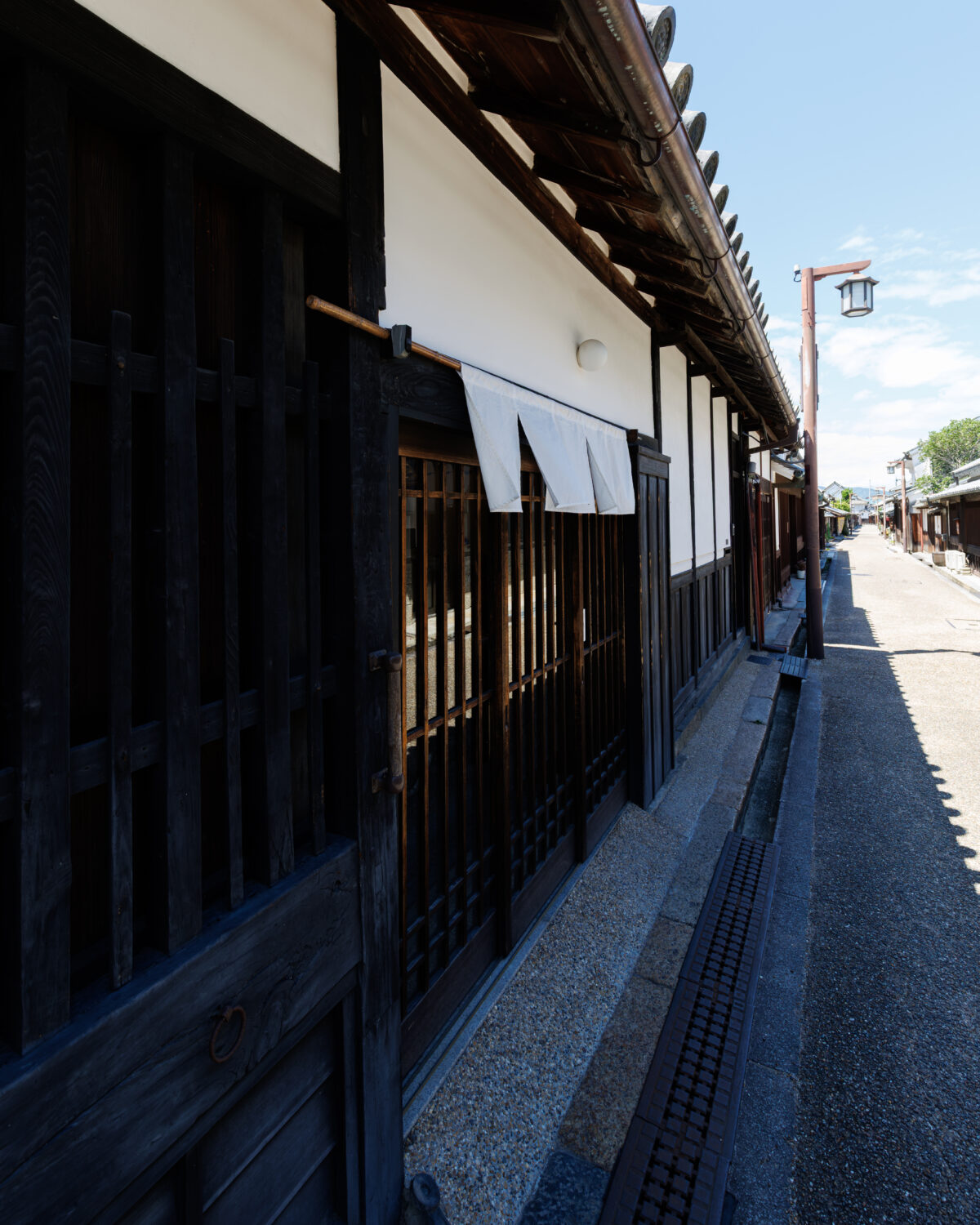
This historic house once played an important role in bringing the people of Imaicho together and supporting the local community. It has since been renovated into a restaurant with high ceilings and a sophisticated atmosphere.

The menu features a variety of dishes, including udon made with carefully prepared dashi broth and sweets such as kuzumochi.
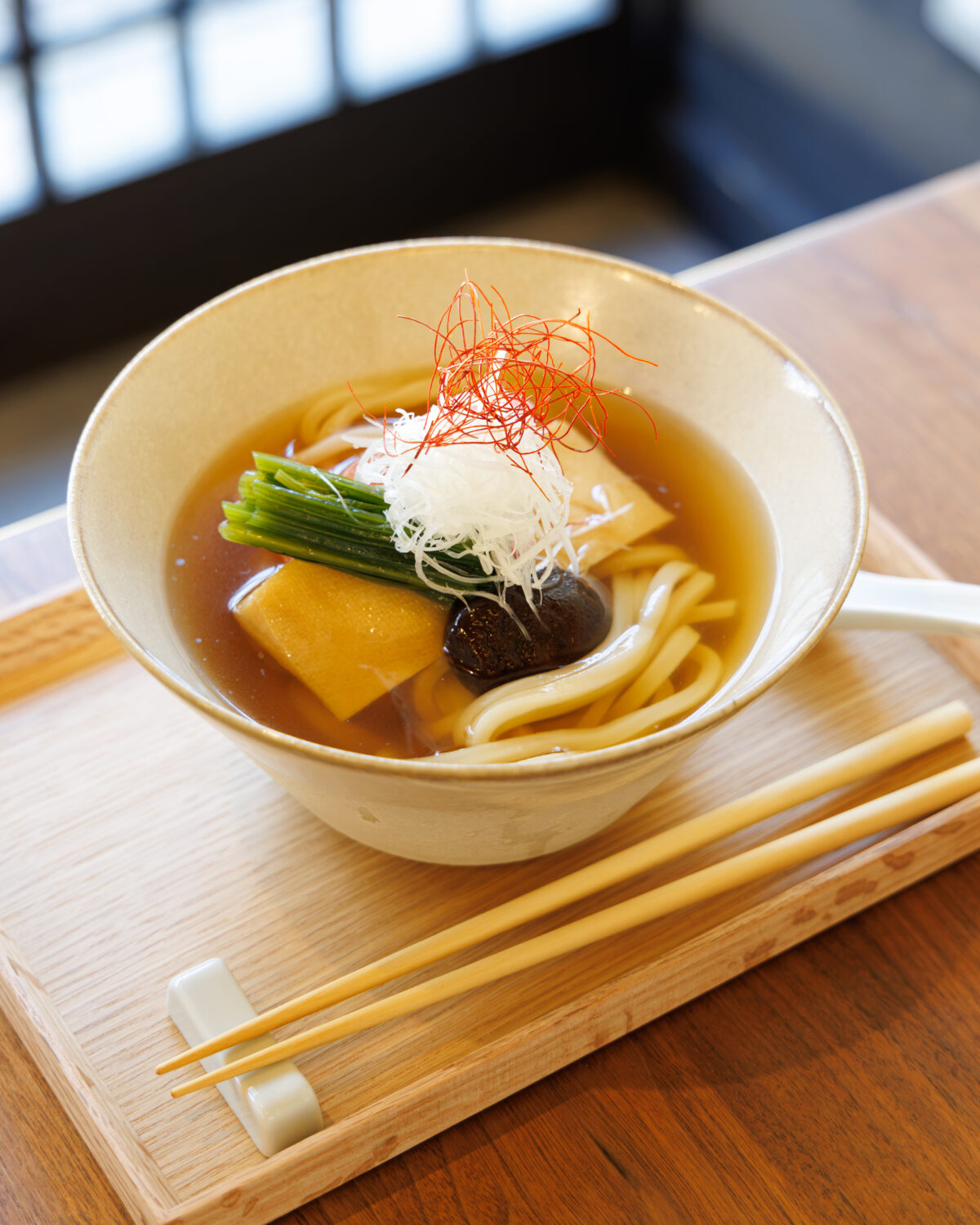
The dashi broth is rich in umami, making it a comforting choice after a day of exploring on foot. The udon noodles are also firm and chewy, making for a satisfying meal.
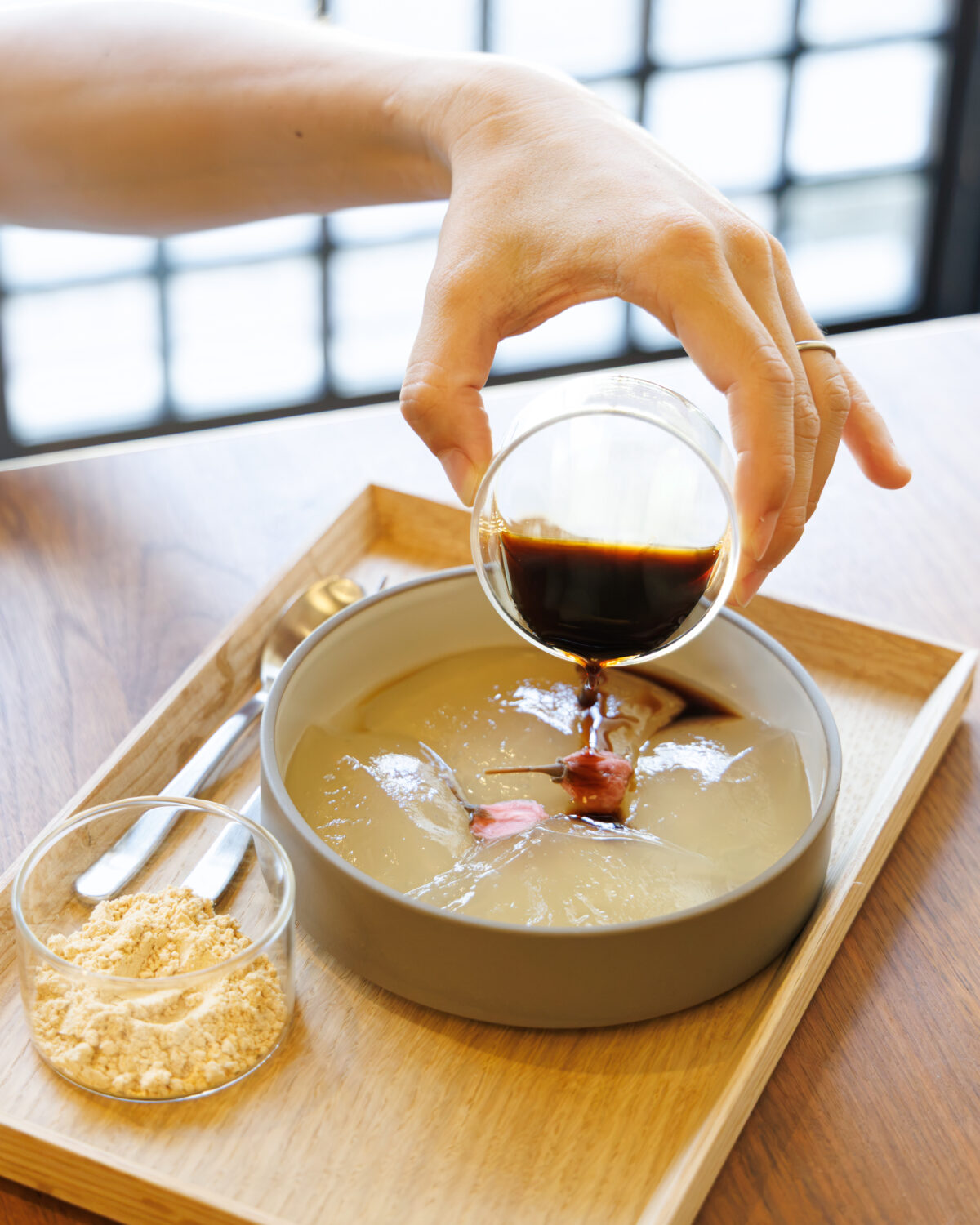
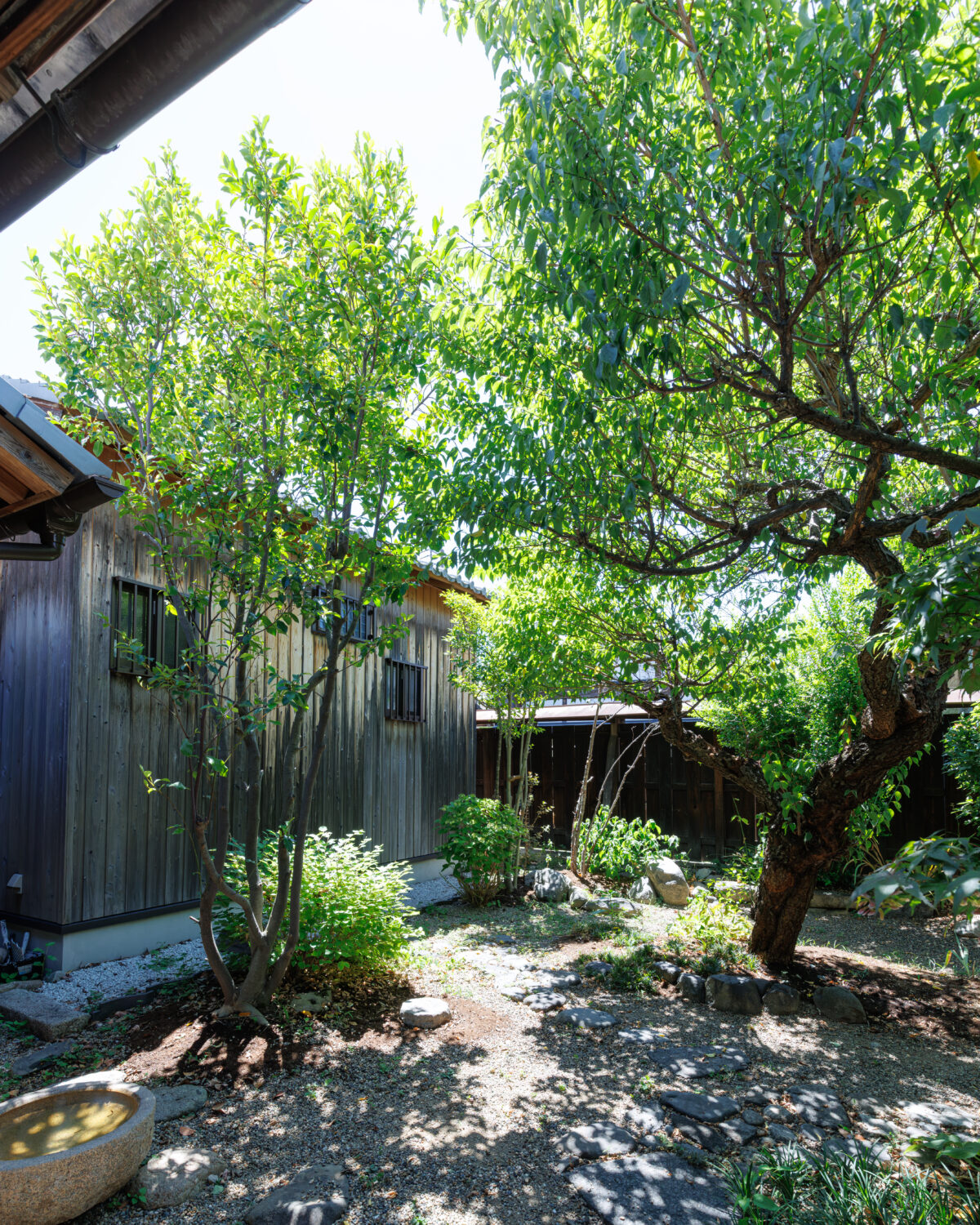
The gently sweet kuzumochi is perfect for dessert. Take a moment to relax while enjoying the view of the courtyard at the back of the restaurant.
- How to get there : The restaurant is about a 10-minute walk from Yagi-Nishiguchi Station.
- Map : https://maps.app.goo.gl/LCJxsgmPC5nwK27t8
*.。.*゚*.。.*゚*
- Kurashi No Sukima (暮らしの隙間) – Gallery Café
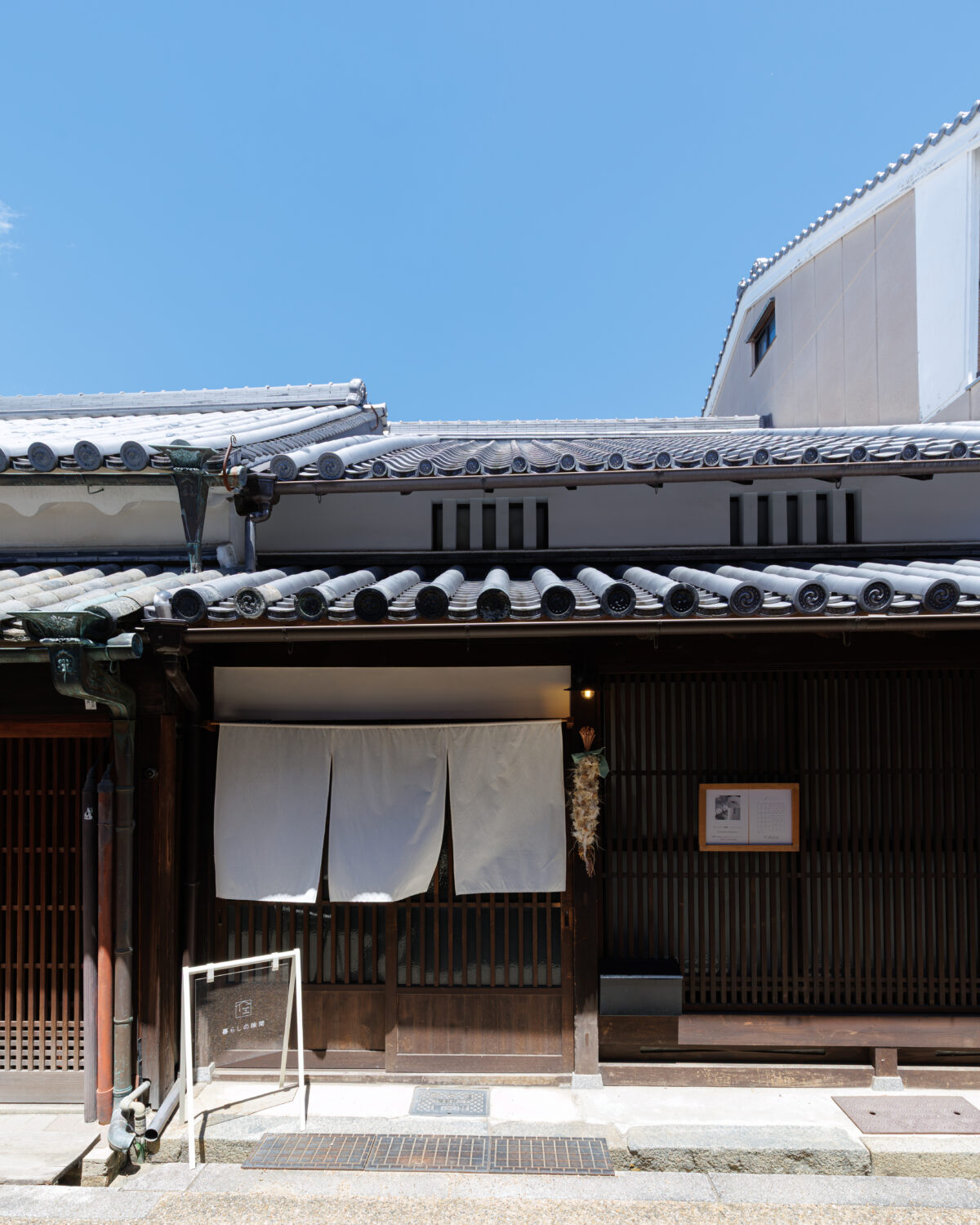
This gallery café also preserves the original building and its historic character. The food served here is both gluten-free and vegan.

The lunch plate features dishes such as soy-meat karaage and quiche made without wheat or eggs. The dishes are full of flavor and satisfying, making it hard to believe they are gluten-free.

The café uses organic ingredients sourced from Nara Prefecture, reflecting the care taken in selecting its ingredients. Even sweets that would traditionally contain wheat are made gluten-free in-house.
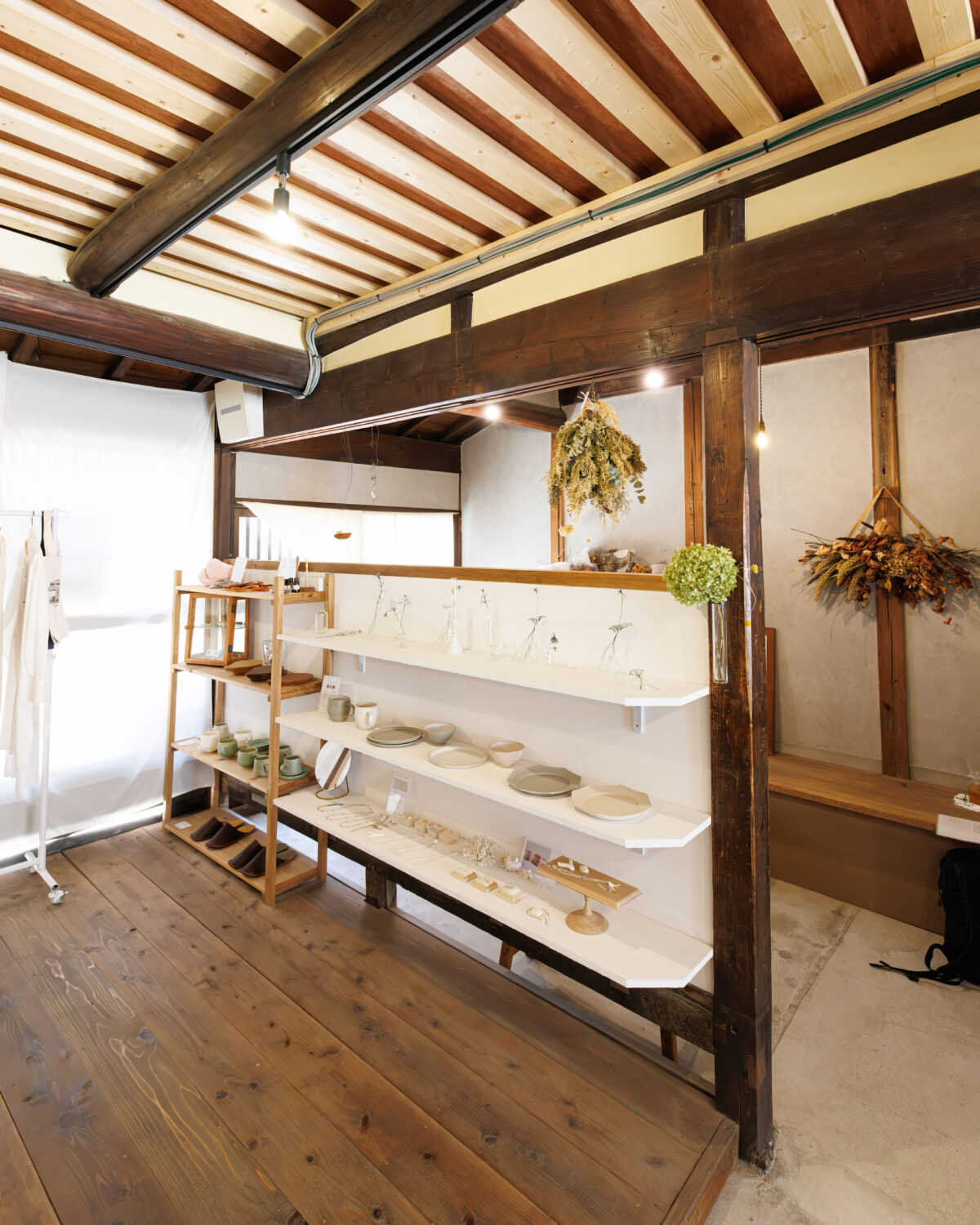

The café also serves as a gallery, showcasing and selling clothing selected by the owner, as well as crafts and accessories that highlight the skill of their makers. The café embodies its concept of “creating a well-balanced lifestyle through clothing, food, and living.”
- How to get there : The café is about a 9-minute walk from Yagi-Nishiguchi Station.
- Map : https://maps.app.goo.gl/bHixRANvJkZKSz478
While each restaurant has its own concept and menu, they all share the same intention: to preserve and pass on the history of Imaicho.
These restaurants make use of traditional Japanese wooden townhouses known as “machiya,” expressing each establishment’s ideas and values through its food as a way of welcoming visitors to Imaicho.
Imai-cho is one of Japan’s rare historic districts that has preserved its traditional townscape. If you ever get the chance to visit Nara, don’t forget to stop by and explore this charming town!
More about
Address
- Kashihara, Nara 634-0812 Japan
How to get there
- From Osaka-Namba : Take a Kintetsu Limited Express train from Osaka-Namba Station to Yamato-Yagi Station (approx. 29 minutes). Then, transfer to the Kashihara Line and take a train to Yagi-Nishiguchi Station (approx. 1 minute).
- From Nagoya : Take a Kintetsu Limited Express train from Kintetsu-Nagoya Station to Yamato-Yagi Station (approx. 1 hour 52 minutes). Then, transfer to the Kashihara Line and take a train to Yagi-Nishiguchi Station (approx. 1 minute).
Map
3. Experience Japan’s Four Seasons Through Light and Shadow at Hasedera Temple
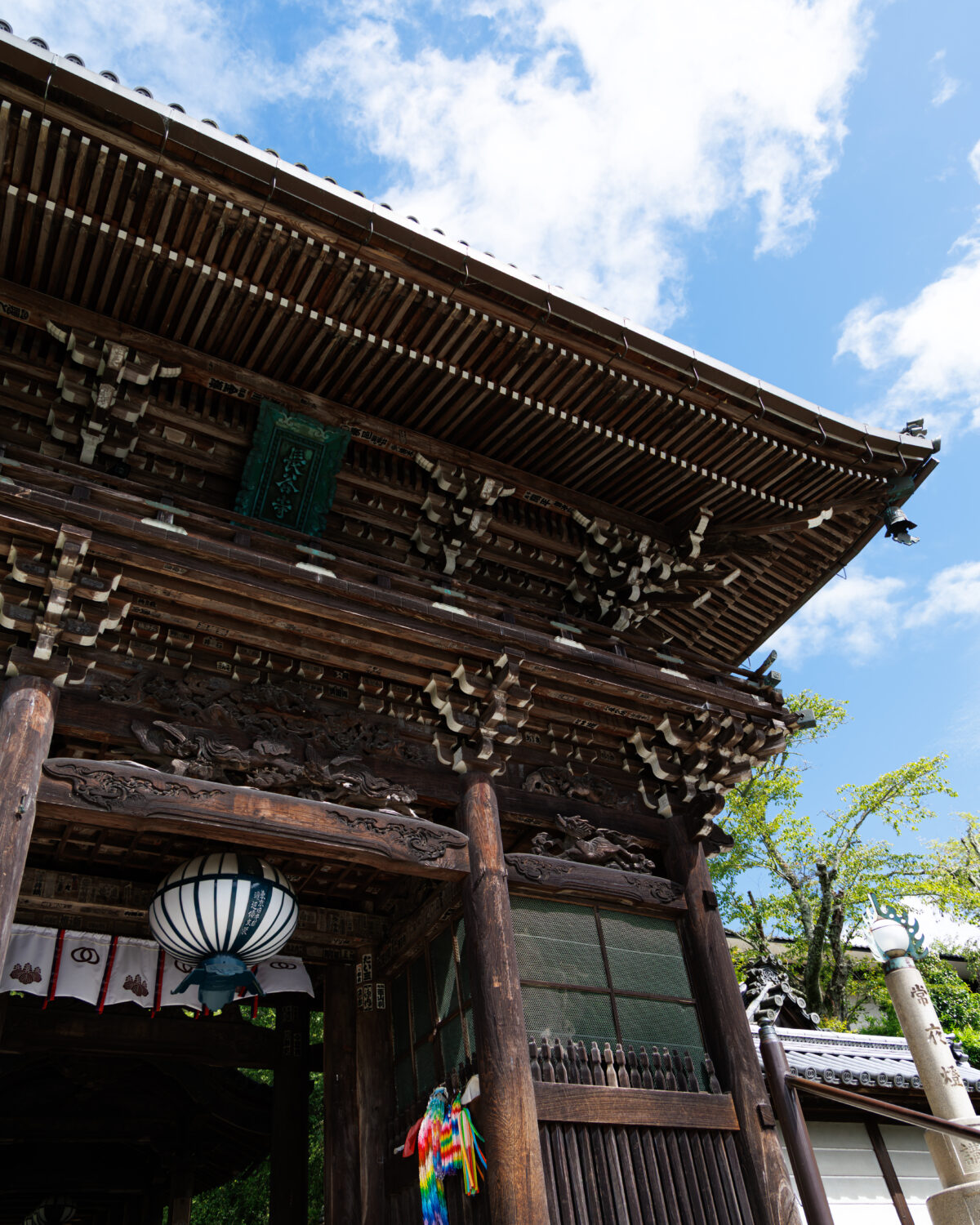
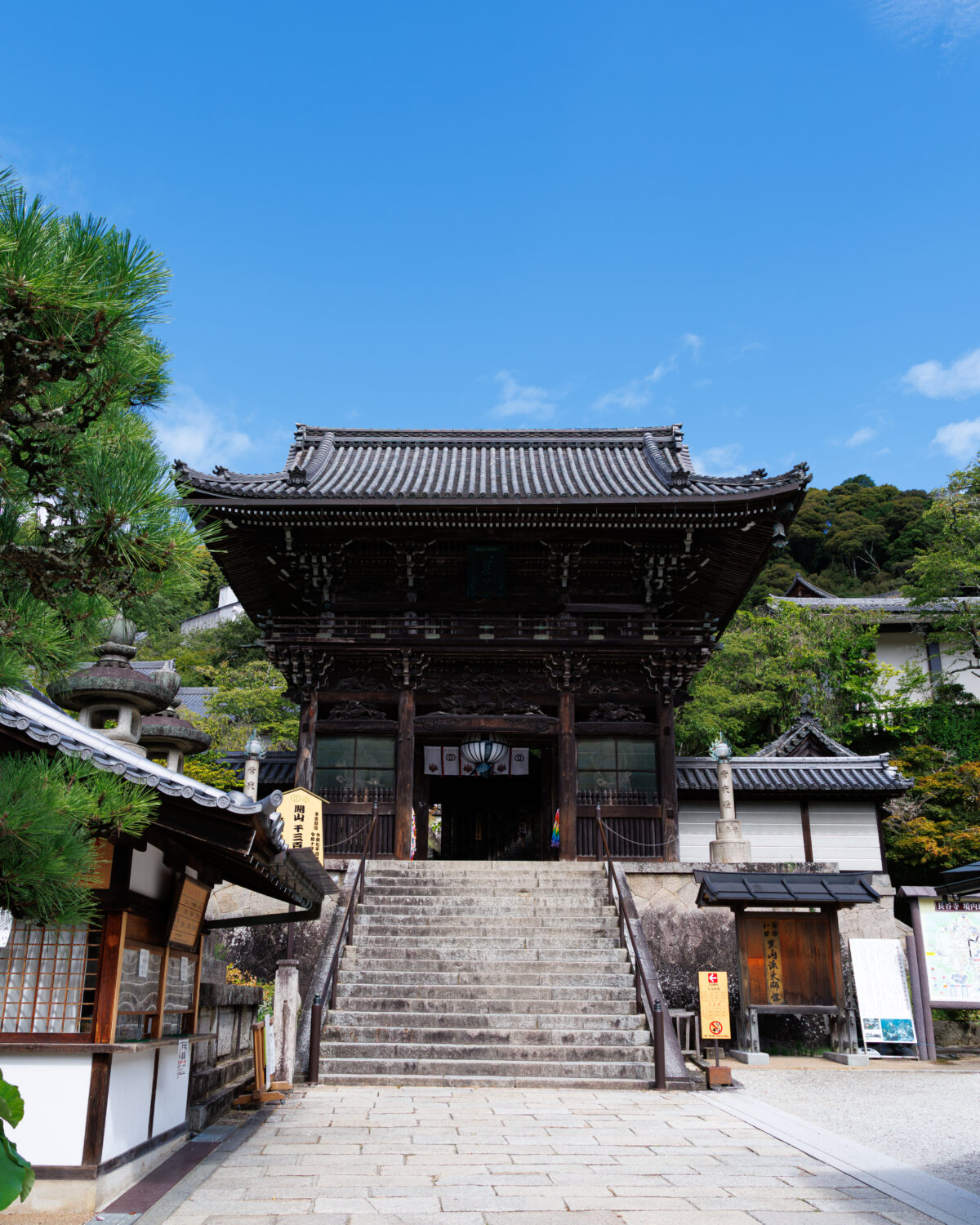 Nestled deep in the mountains of Nara Prefecture, Hasedera Temple has long been known as a sacred hidden sanctuary. It is also mentioned in the Manyoshu, Japan’s oldest collection of poetry.
It is said that many aristocrats came here to offer prayers more than 1,000 years ago.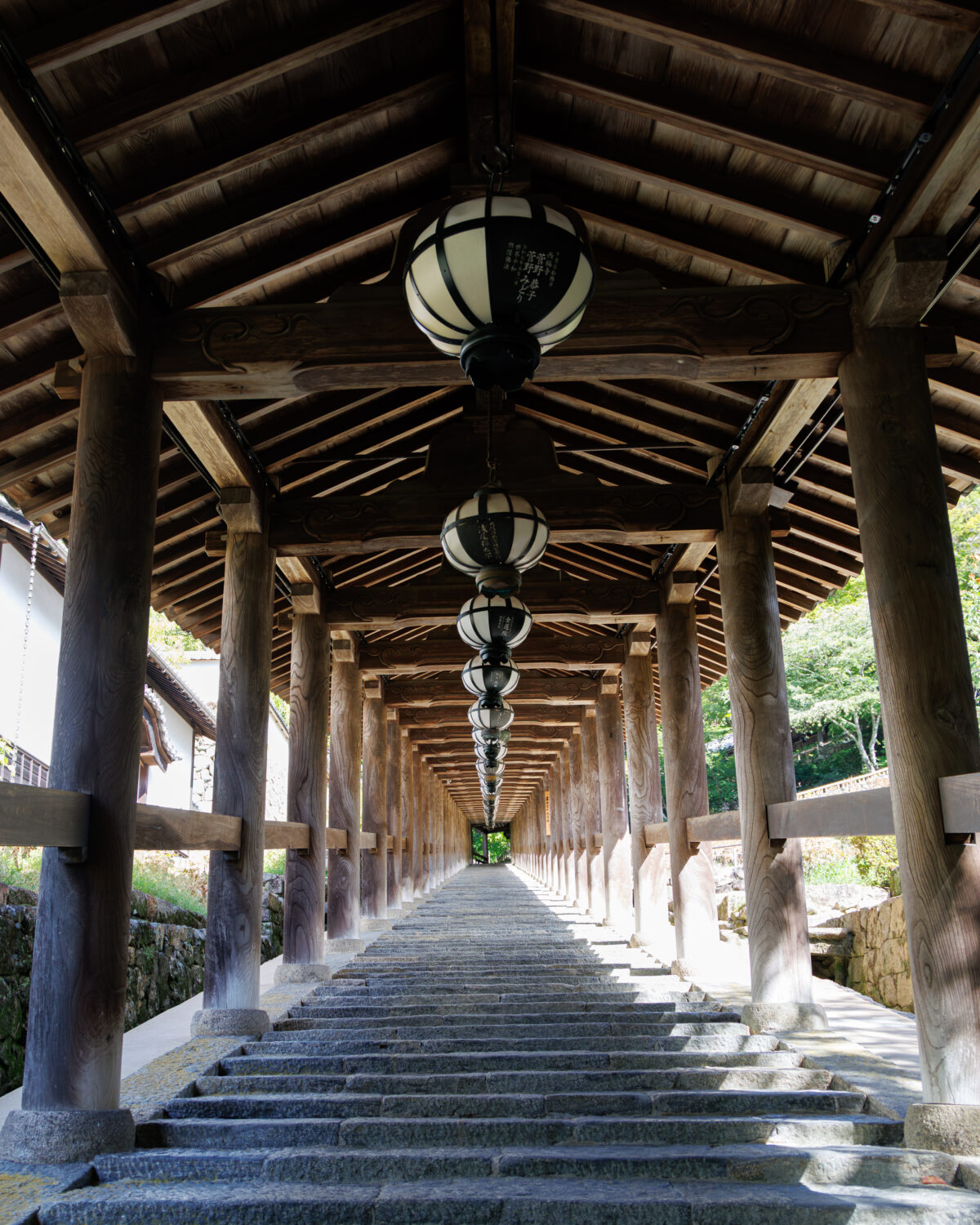
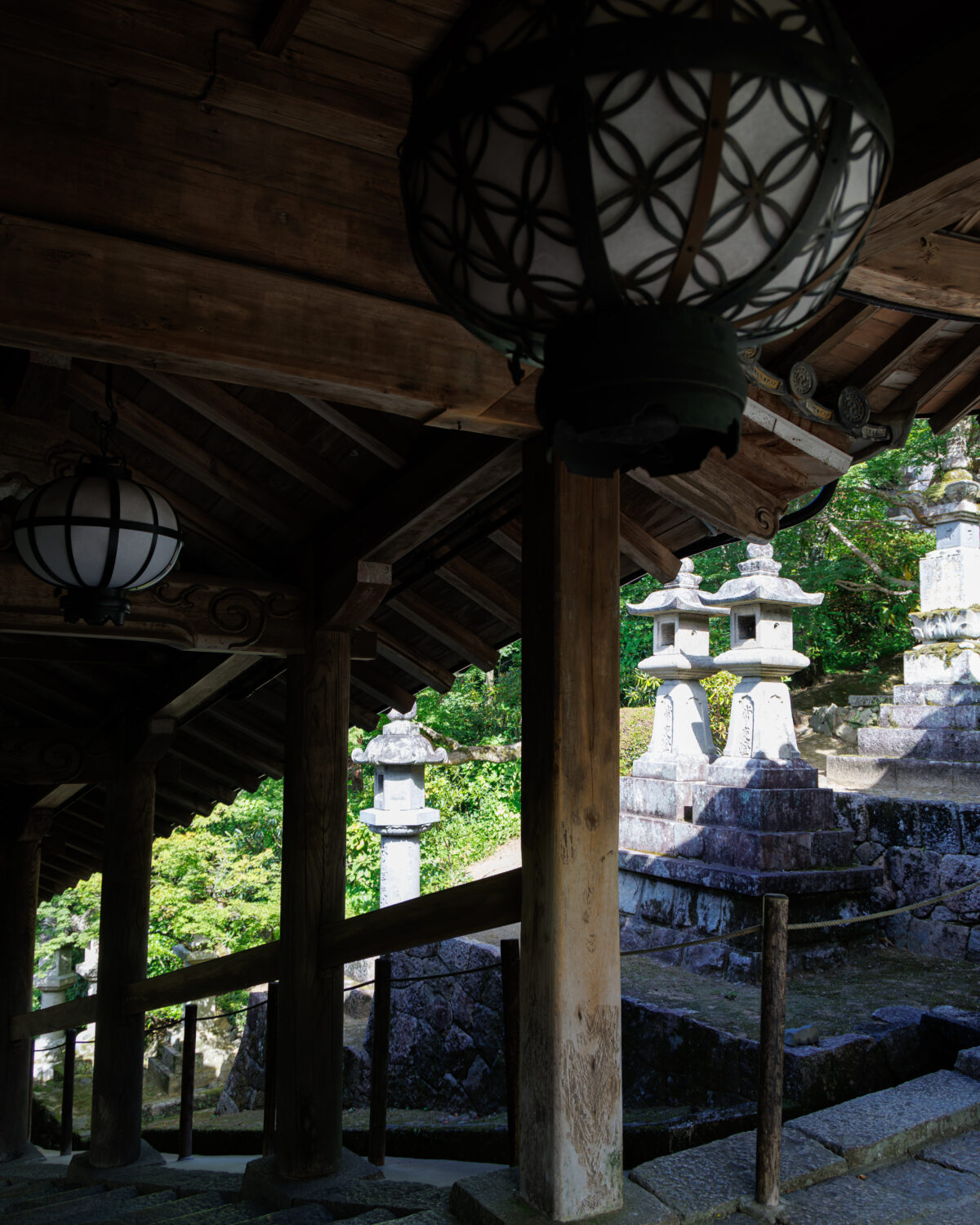
The Noboriro corridor, which connects the temple gate to the main hall, stretches along 399 stone steps and is designated as an Important Cultural Property of Japan. As you climb the beautiful covered wooden walkway step by step, you can experience its mysterious atmosphere.
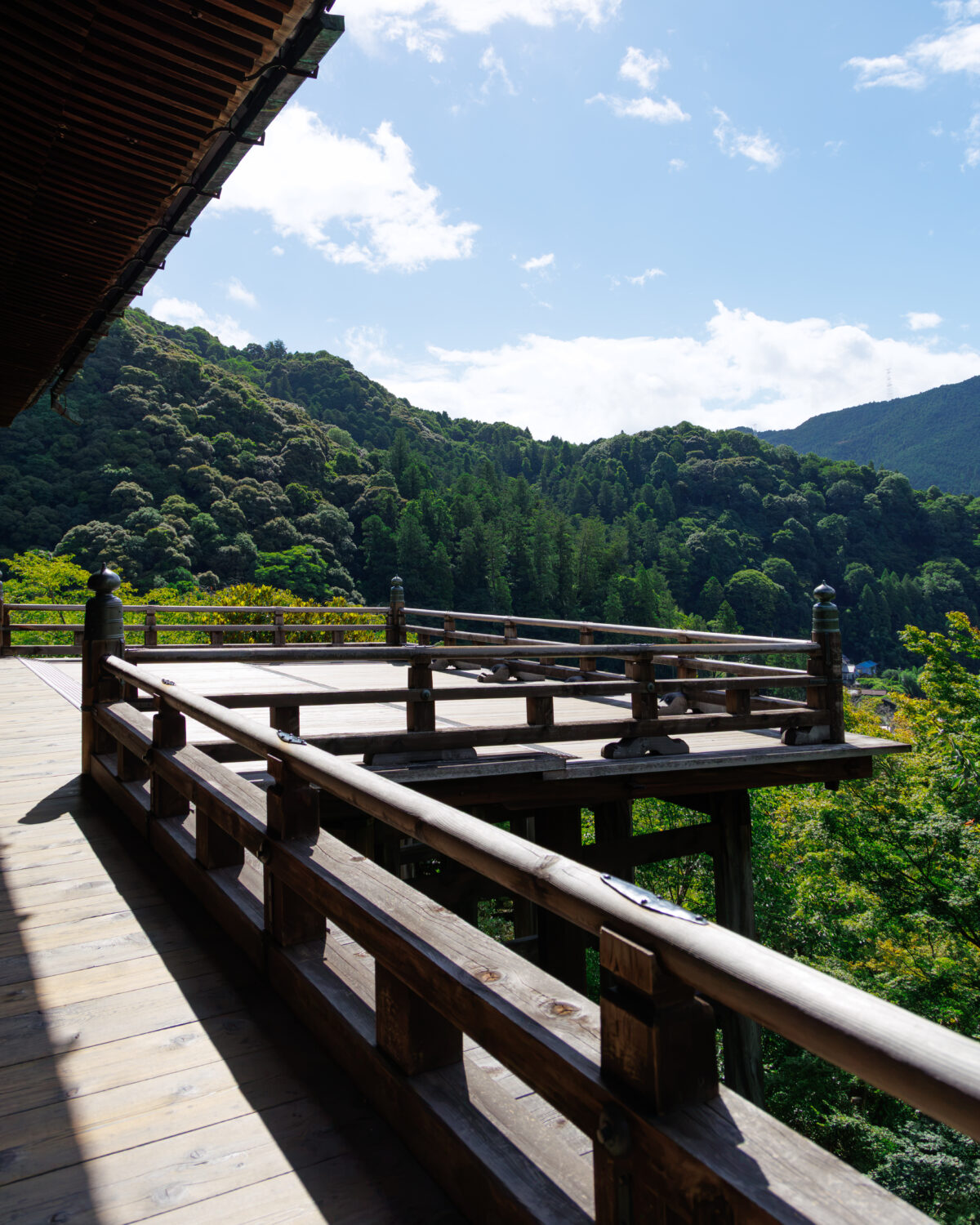
At the top, you’ll find the main hall, a designated National Treasure of Japan, and a stage that extends out over the cliff. From the stage, you can enjoy breathtaking panoramic views of the surrounding mountains.
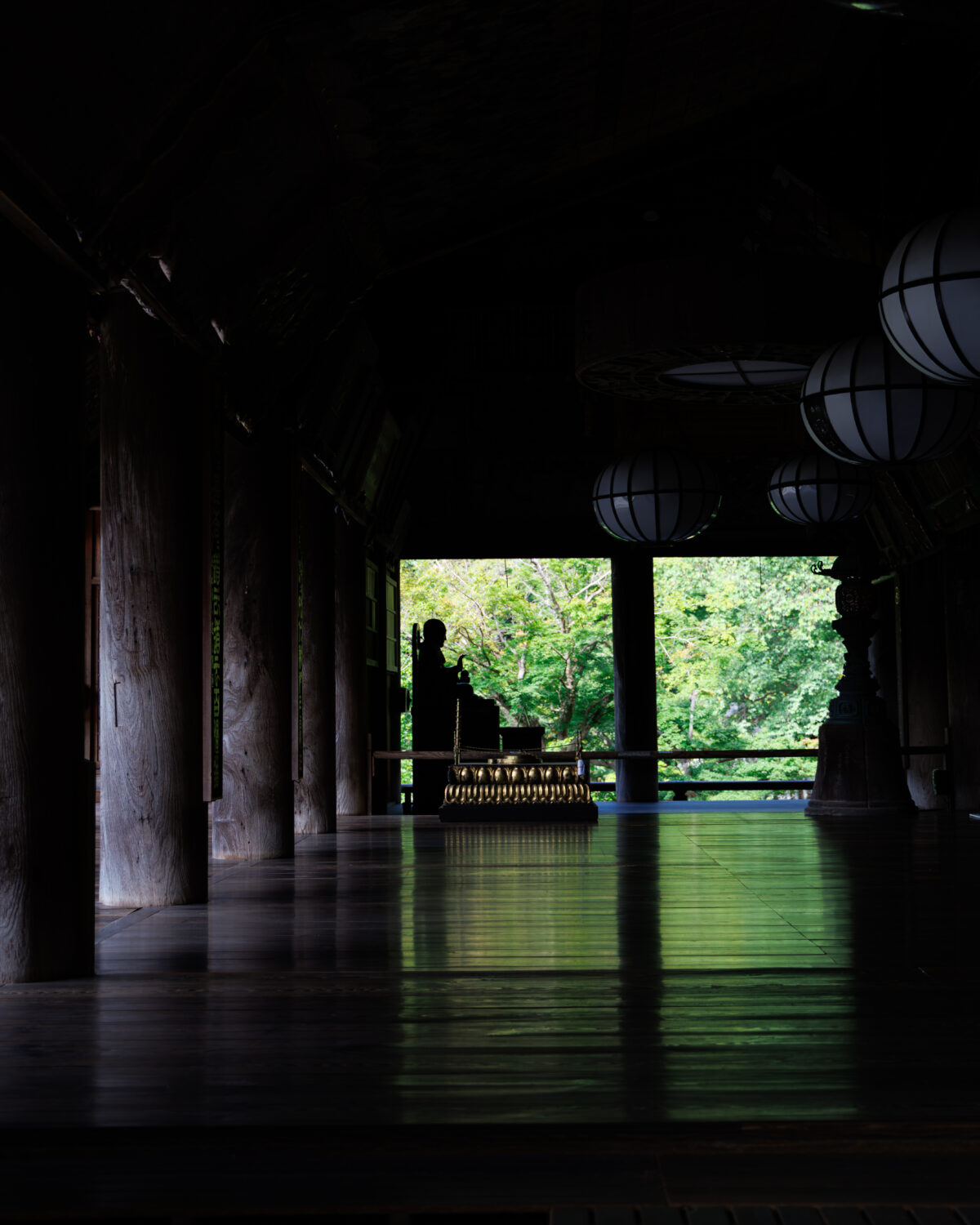
Inside the main hall, the polished floor of the worship hall reflects the beauty of nature throughout the four seasons, creating a captivating scene.
In summer, the vibrant green of the trees is reflected on the floor, while in autumn, the colorful foliage creates the famous “Yuka-Momiji,” a beautiful reflection of autumn leaves on the floor.
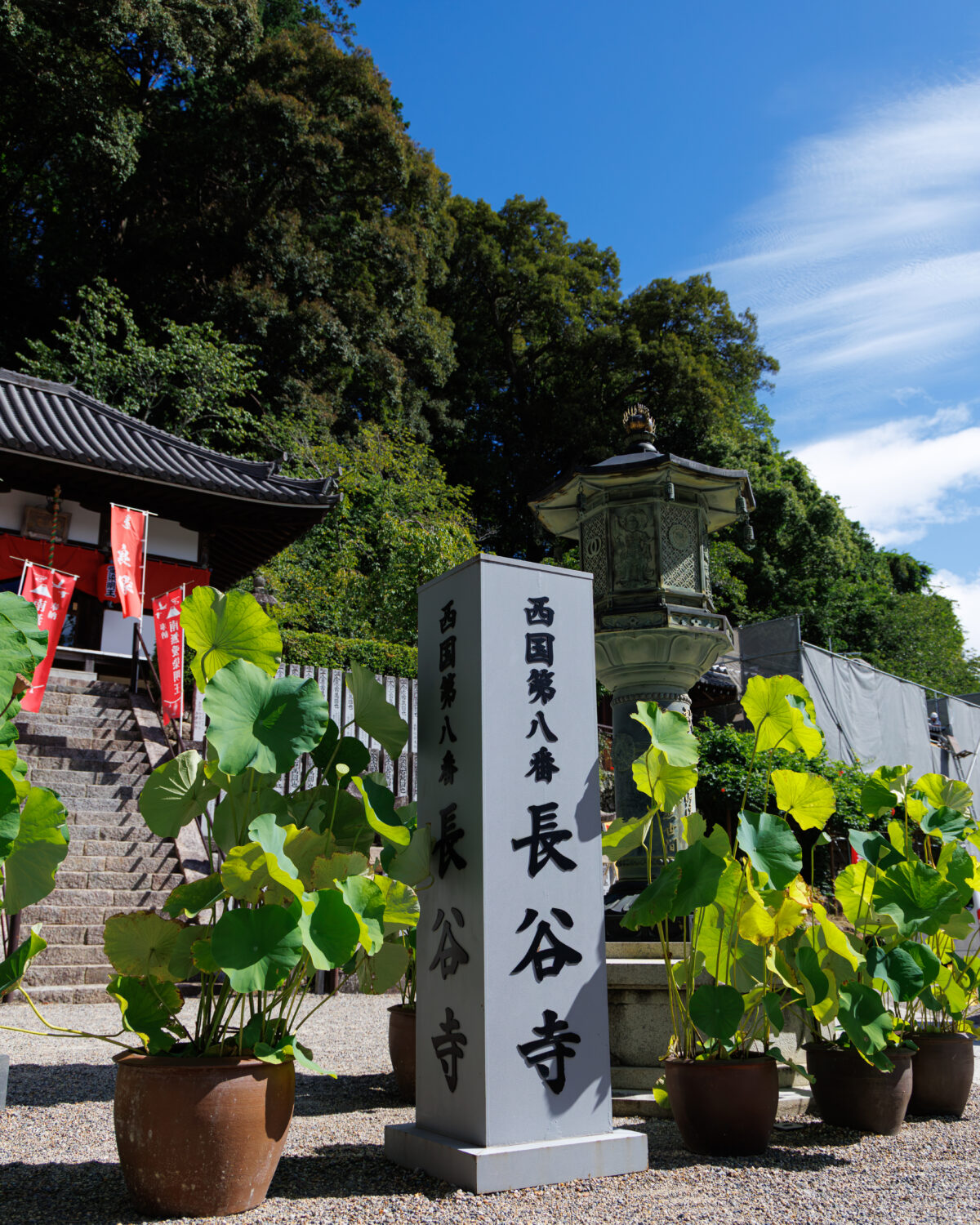

Hasedera Temple is also known as the “Temple of Flowers,” where visitors can enjoy seasonal blooms throughout the year.
During hydrangea season, a hydrangea walkway featuring around 500 potted hydrangeas is set up within the temple grounds, attracting many visitors who come to admire the temple adorned with these beautiful flowers.
*These photos were taken in August. The hydrangea walkway is usually open from late May to early July.
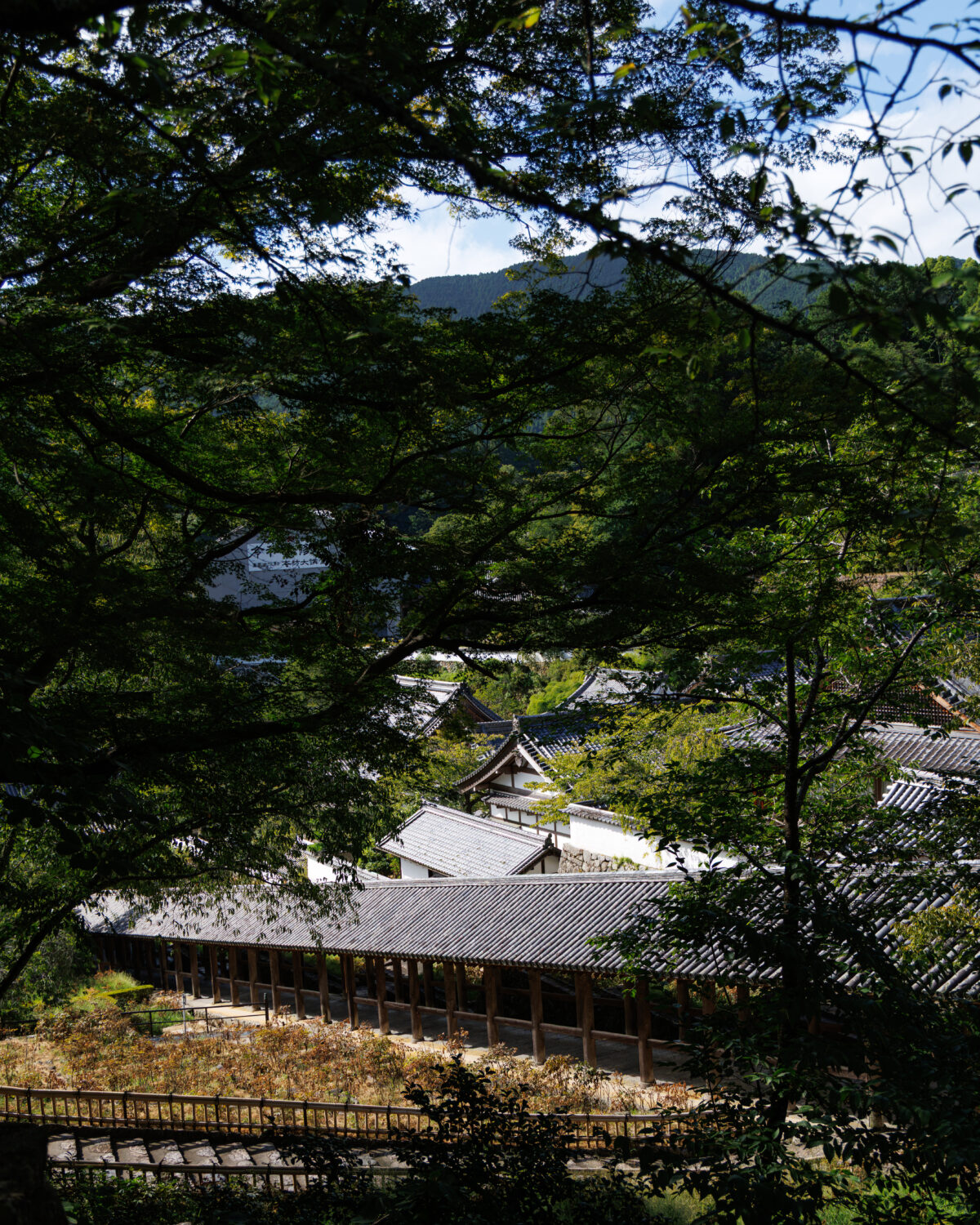
With its 399-step Noboriro corridor and the impressive architecture of the main hall and stage, Hasedera’s expansive grounds nestled in the mountains reveal why it is described as a hidden sanctuary.
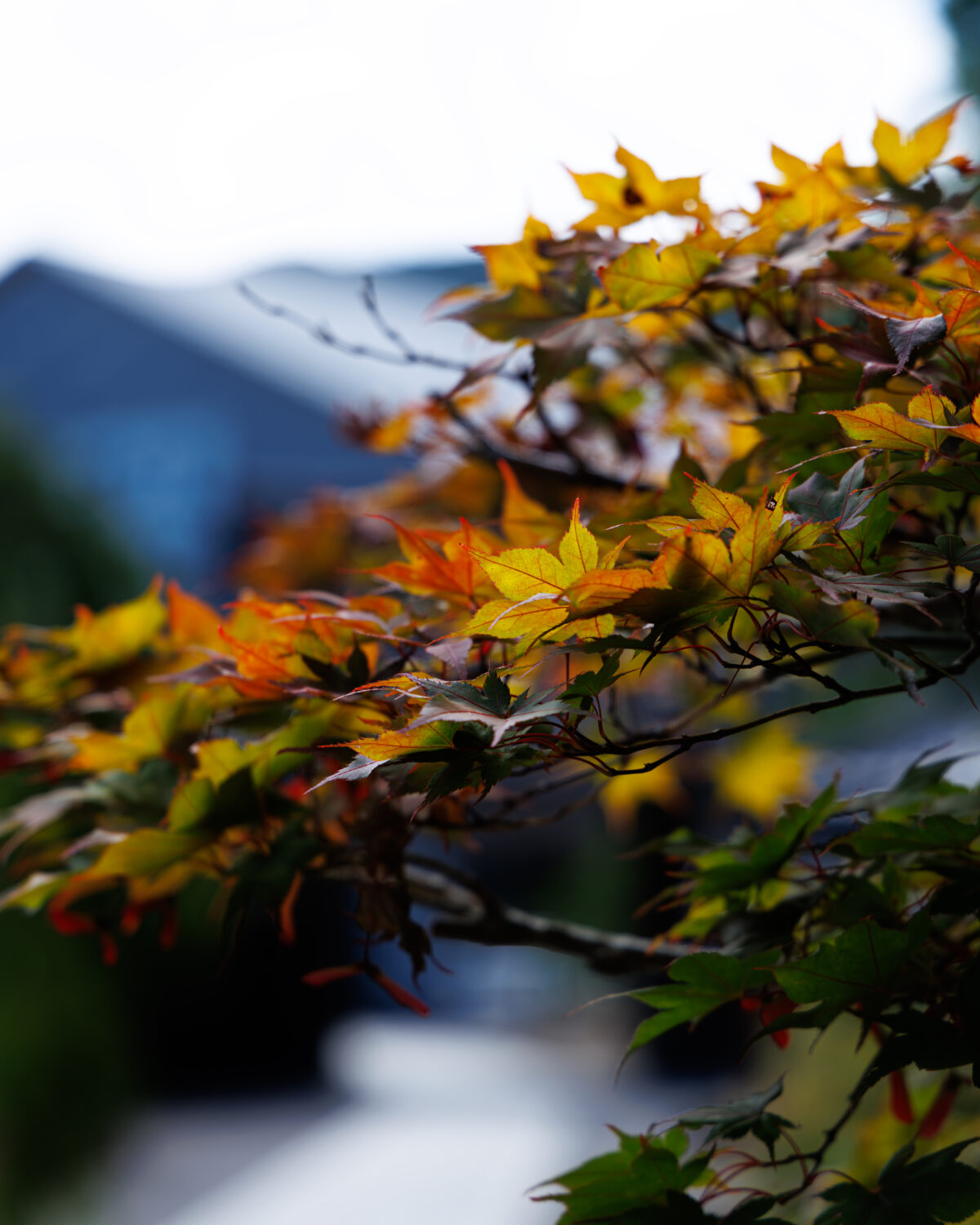
Majesty, spirituality, and beauty come together at Hasedera, offering a new perspective on the charm of Nara.
Map
4. Enjoy a Nostalgic Amusement Park and Breathtaking Views from the Summit of Mount Ikoma
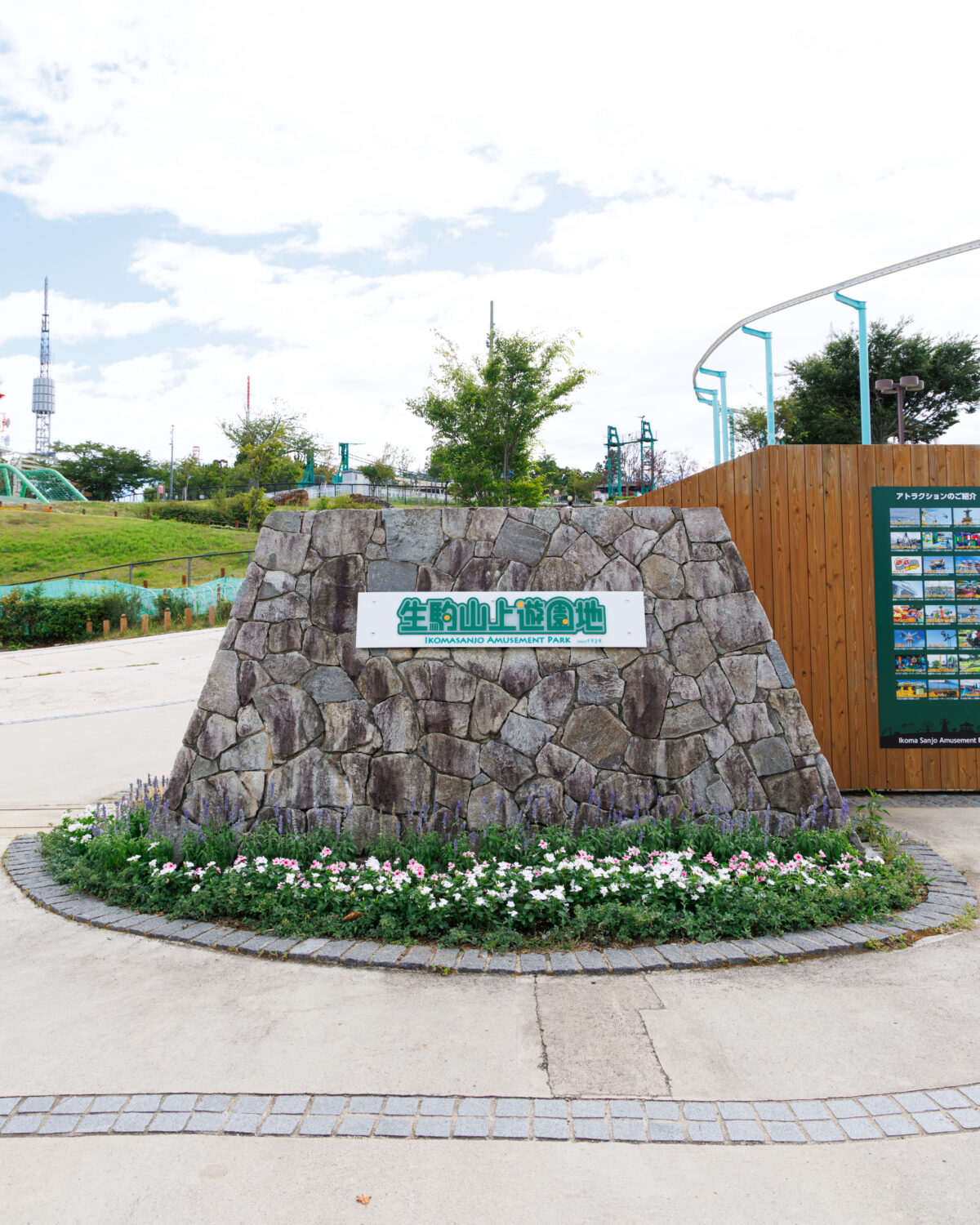
At the top of Mt. Ikoma, a retro amusement park and breathtaking views await!
After riding Japan’s oldest cable car, you’ll arrive at the summit, where Ikoma Sanjo Amusement Park awaits.
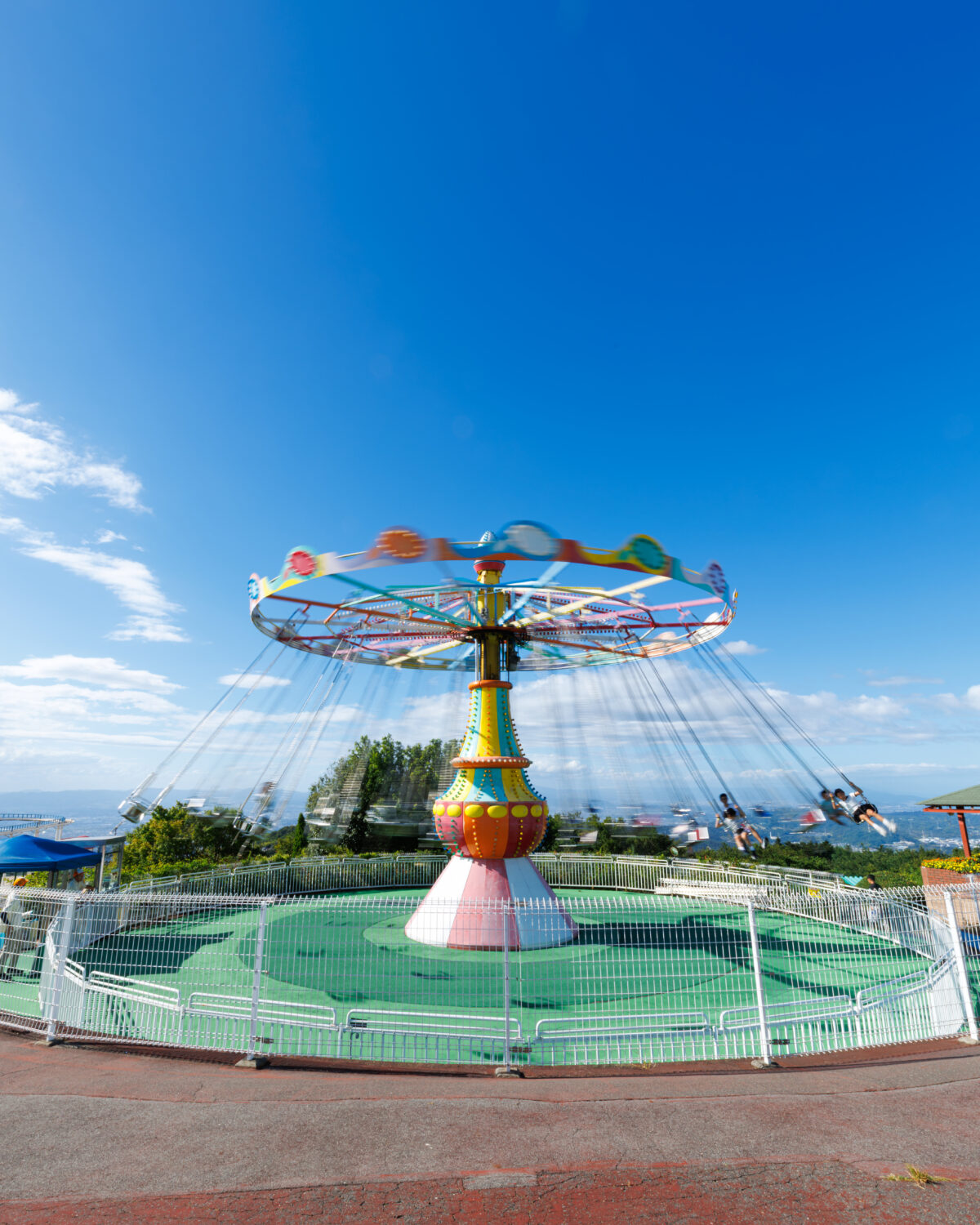
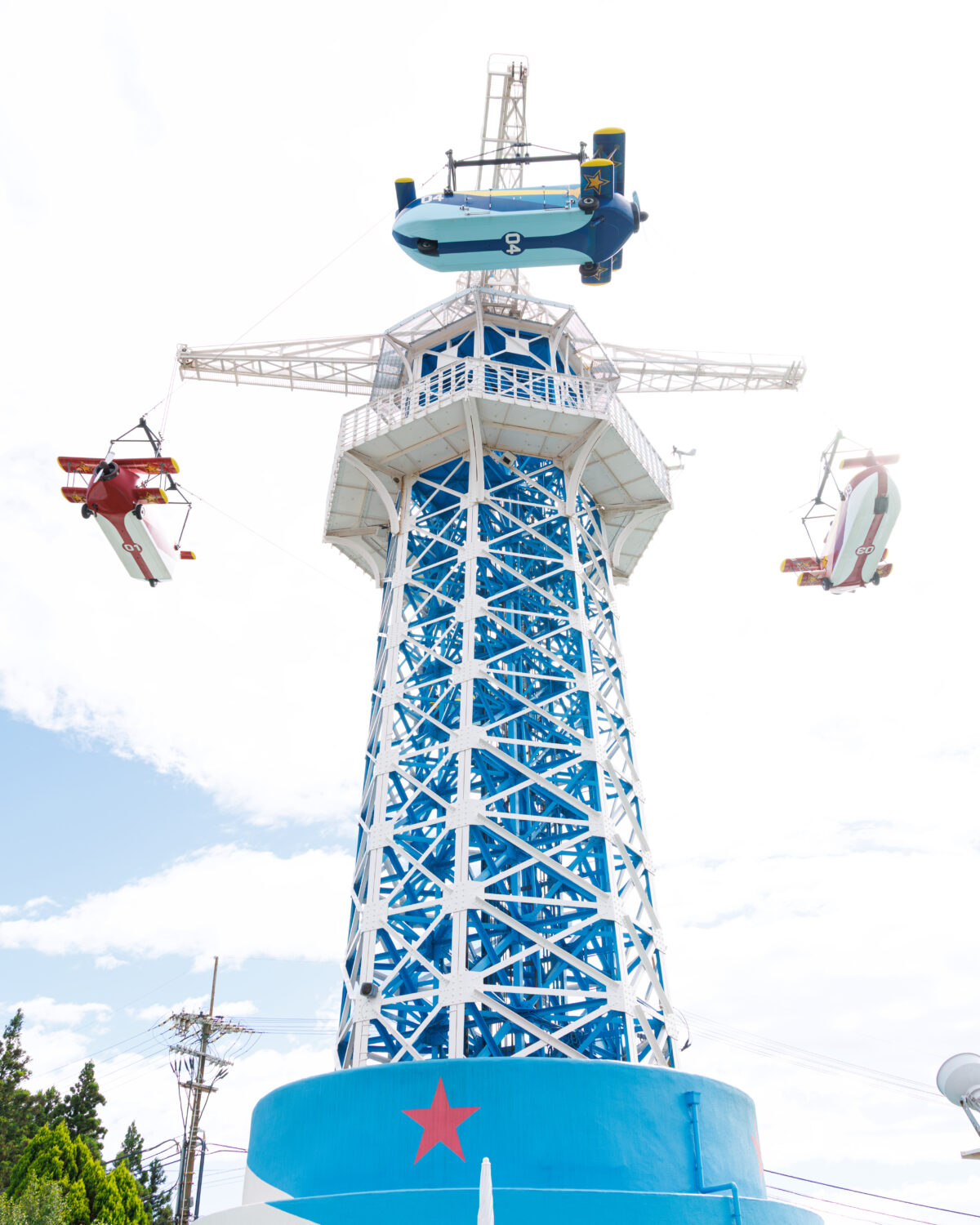
Just ahead, you’ll find the “Hikoto” tower ride, one of the oldest large-scale amusement rides still in existence and an iconic feature of Ikoma Sanjo Amusement Park.
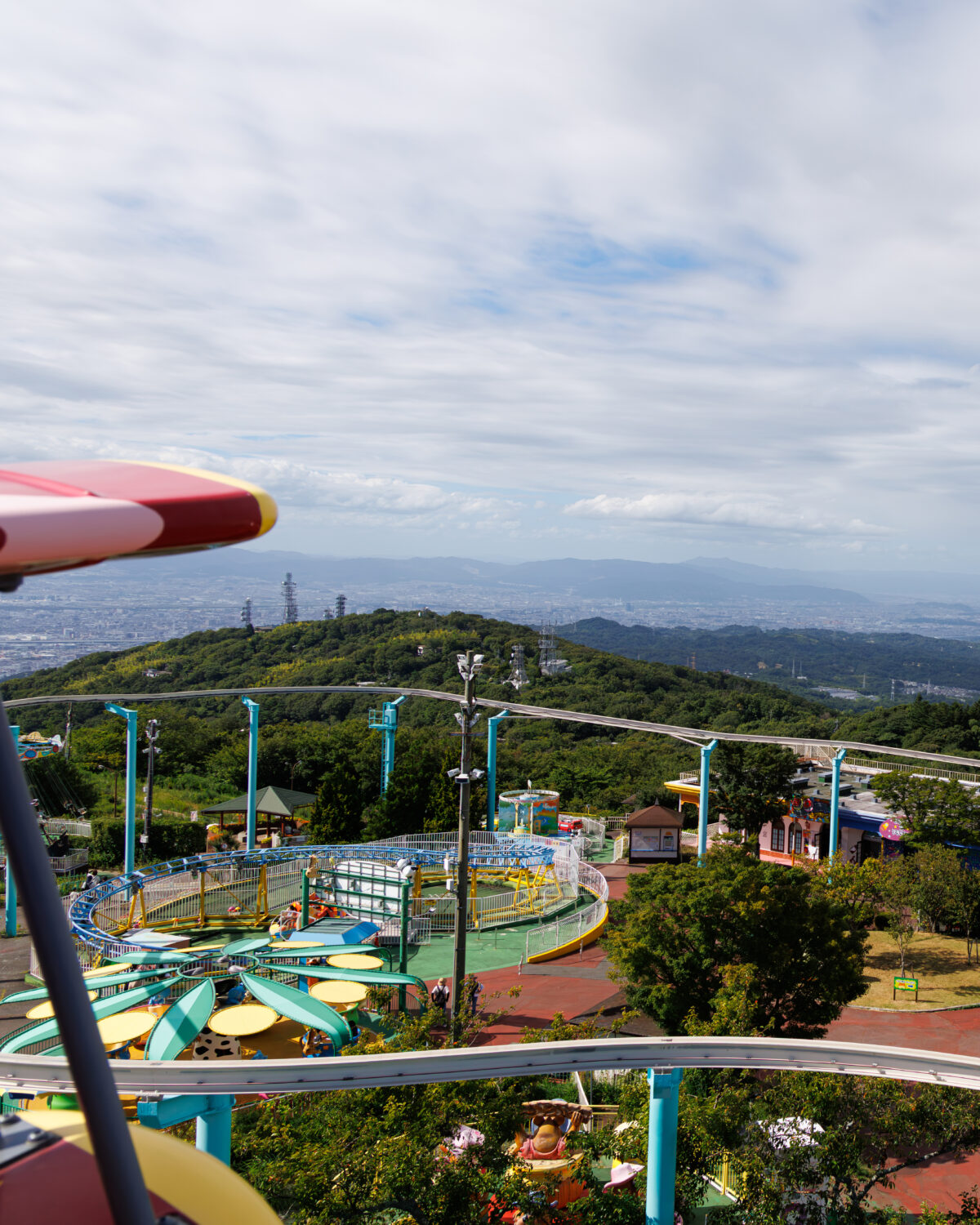
The ride takes you about 20 meters above the 642-meter-high summit, offering panoramic views of Osaka and Nara from even higher up.
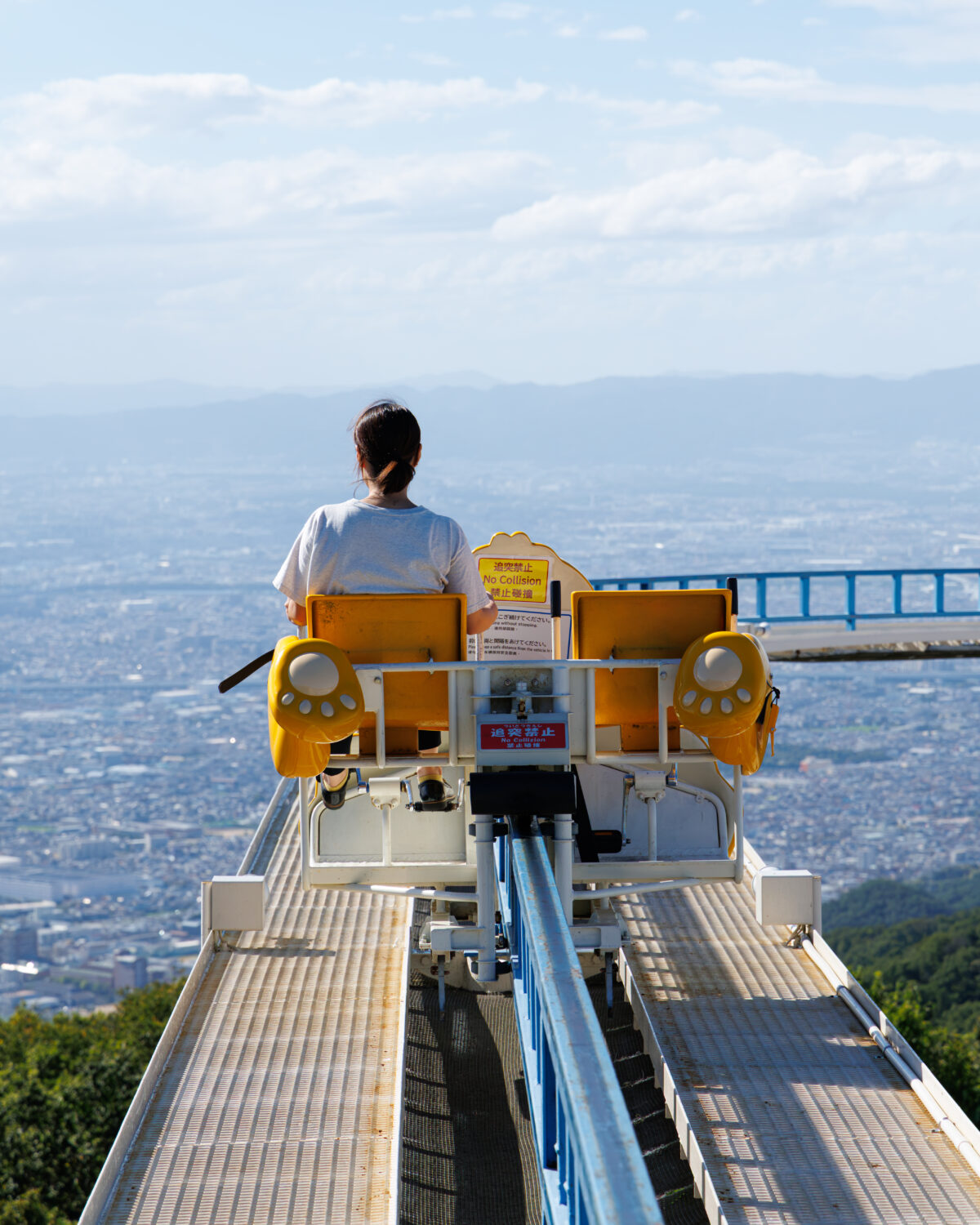
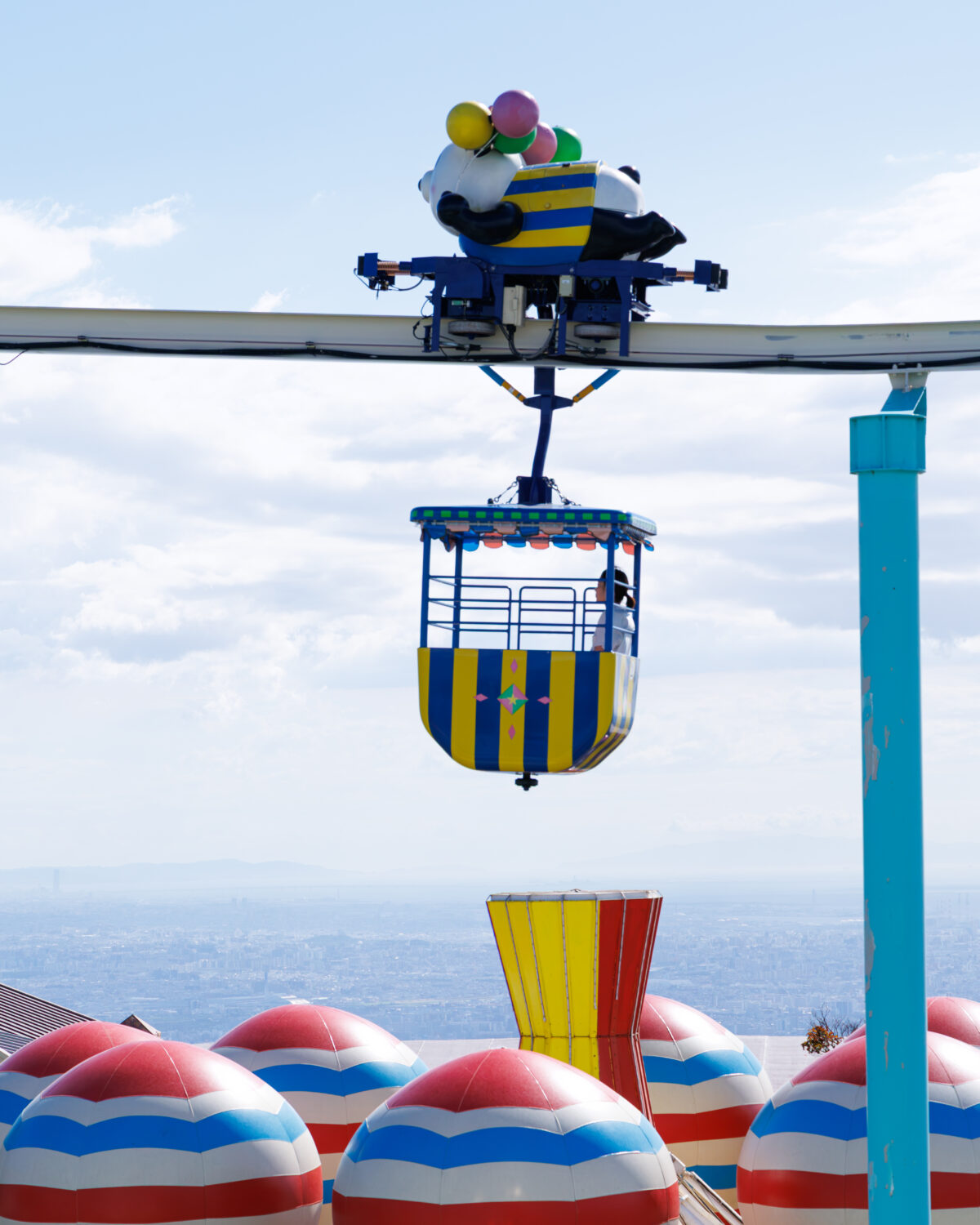
Another popular attraction is the “Cycle Monorail.” Pedal your way along the elevated track and enjoy views of Osaka, with the sensation of walking through the sky. On clear days, you can even spot iconic Osaka landmarks such as Abeno Harukas.


The park also has a restaurant with scenic views, making it a great place to take a break and enjoy some sweets after enjoying the rides.

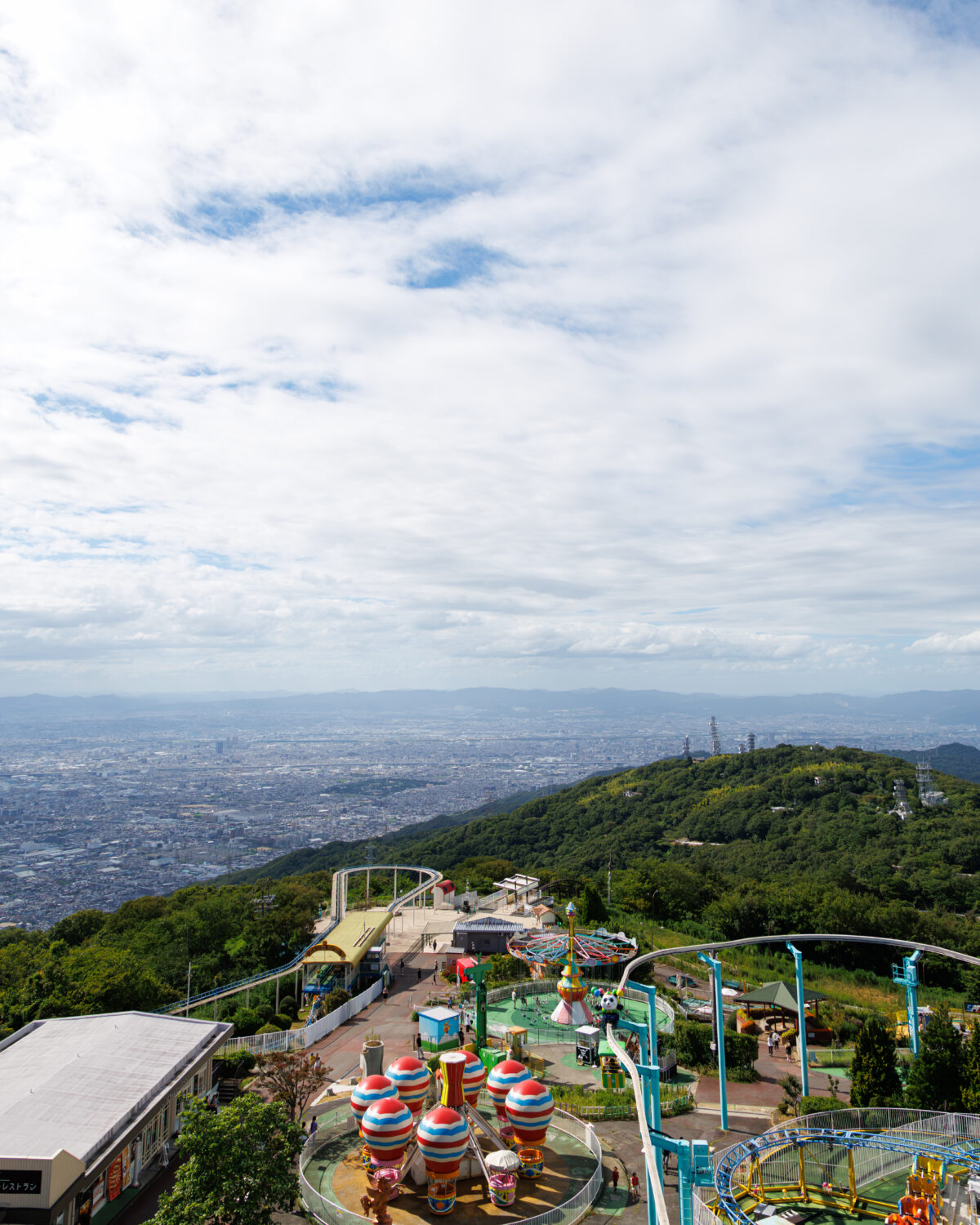
Ikoma Sanjo Amusement Park retains its nostalgic atmosphere to this day, offering more than just a retro experience. Its unique mountaintop setting allows visitors to enjoy both exciting rides and breathtaking views in an open, refreshing environment.
More about
Address
- 2312-1 Nabatacho, Ikoma, Nara 630-0231 Japan
How to get there
- From Osaka-Namba : Take a Kintetsu train from Osaka-Namba Station to Ikoma Station (approx. 20 minutes). Transfer to the Ikoma Cable Line at Torii-mae Station and ride to Ikoma-Sanjo Station (approx. 16 minutes).
- From Nagoya : Take a Kintetsu train from Kintetsu-Nagoya Station to Tsuruhashi Station (approx. 2 hours). Transfer to a train to Ikoma Station (approx. 15 minutes). Then, transfer to the Ikoma Cable Line at Torii-mae Station and ride to Ikoma-Sanjo Station (approx. 16 minutes).
Map
5. Start your retro journey with an adorable cable car!
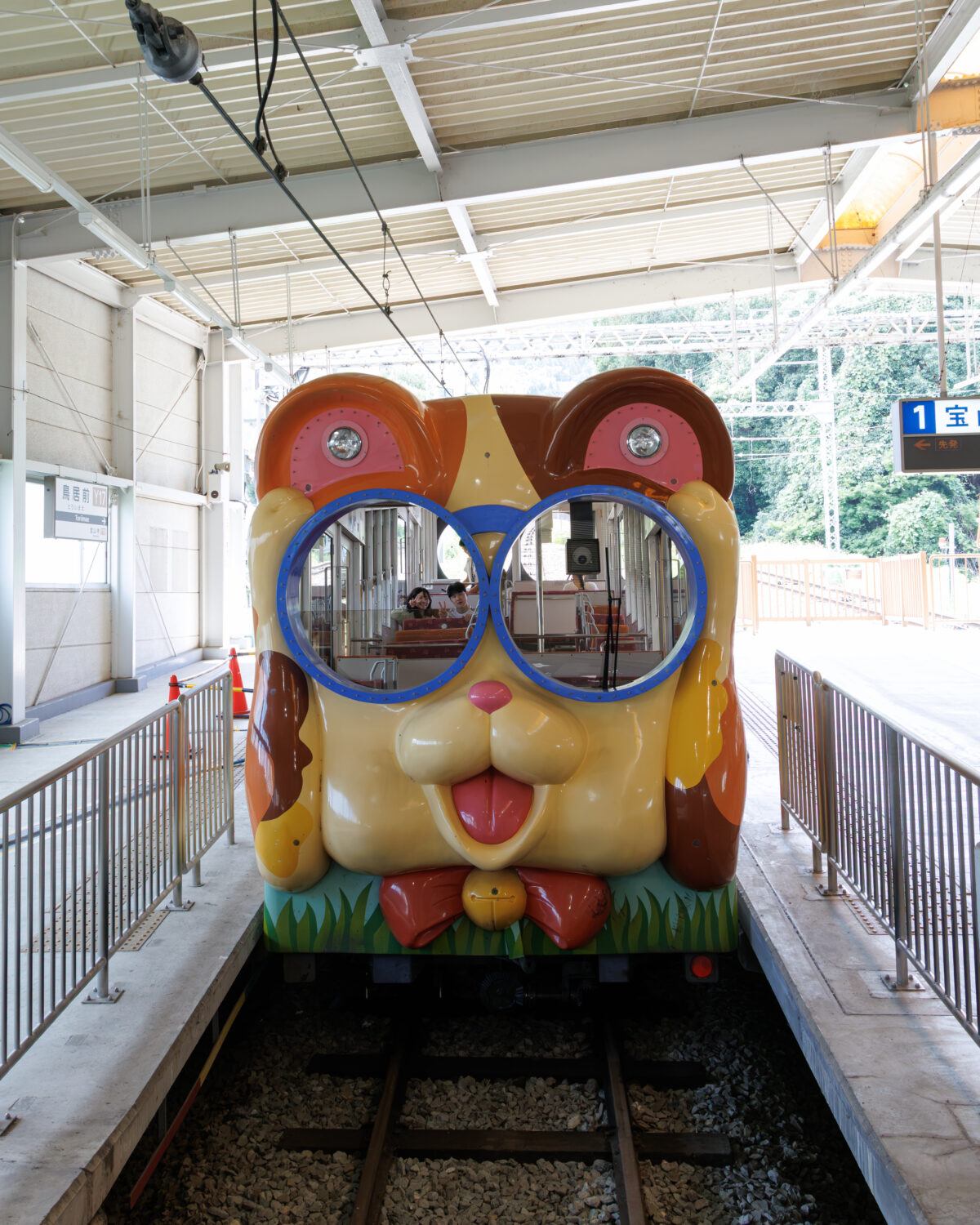 Start your retro journey with an adorable cable car!
The Ikoma area is a popular destination for travelers, known for its nostalgic atmosphere. The Ikoma Cable Car is an essential way to reach popular attractions such as Hozanji Temple and Ikoma Sanjo Amusement Park.
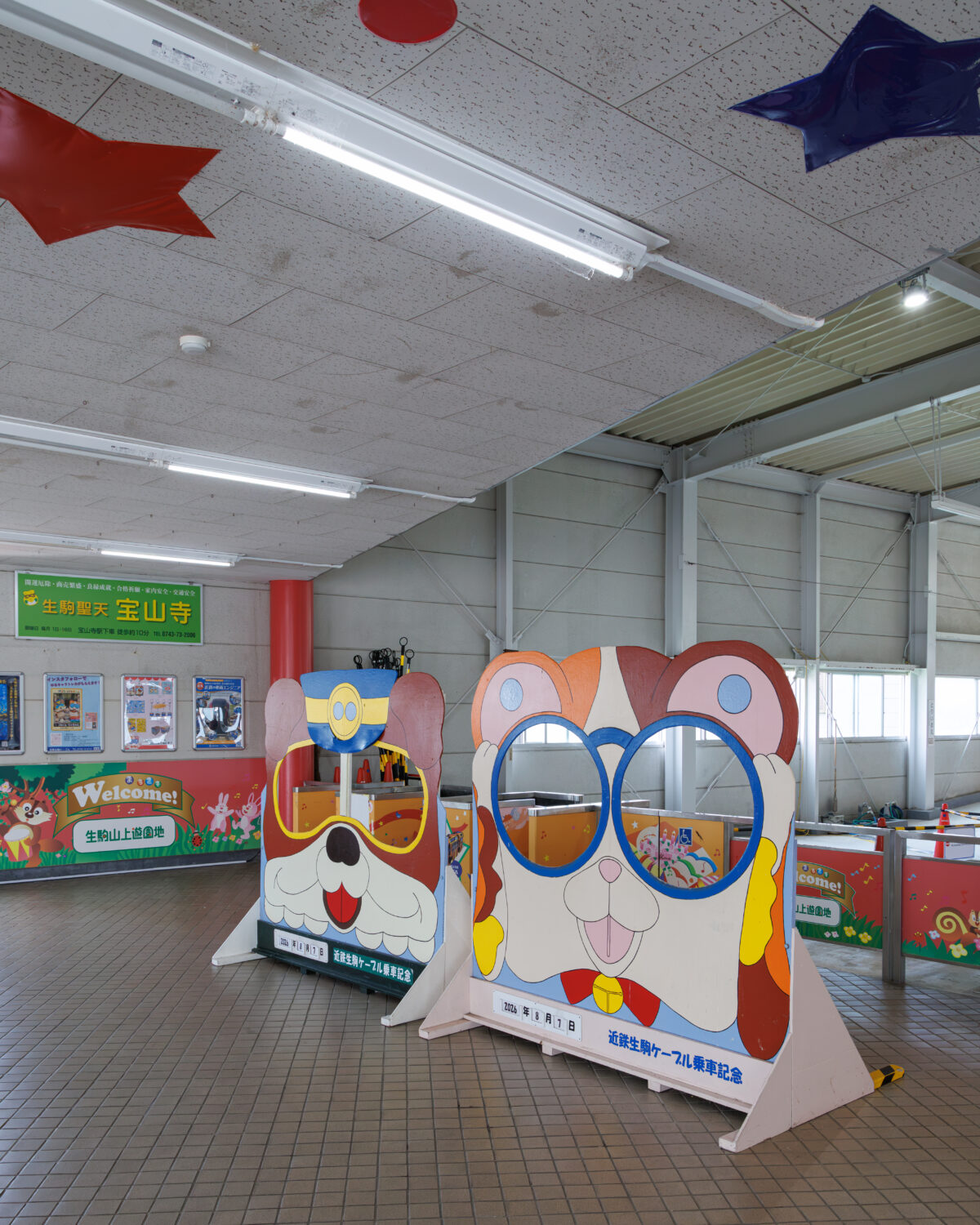 Waiting to greet you at Torii-mae Station are “Bull” and “Mi-Ke,” two adorable cable cars inspired by dogs and cats.

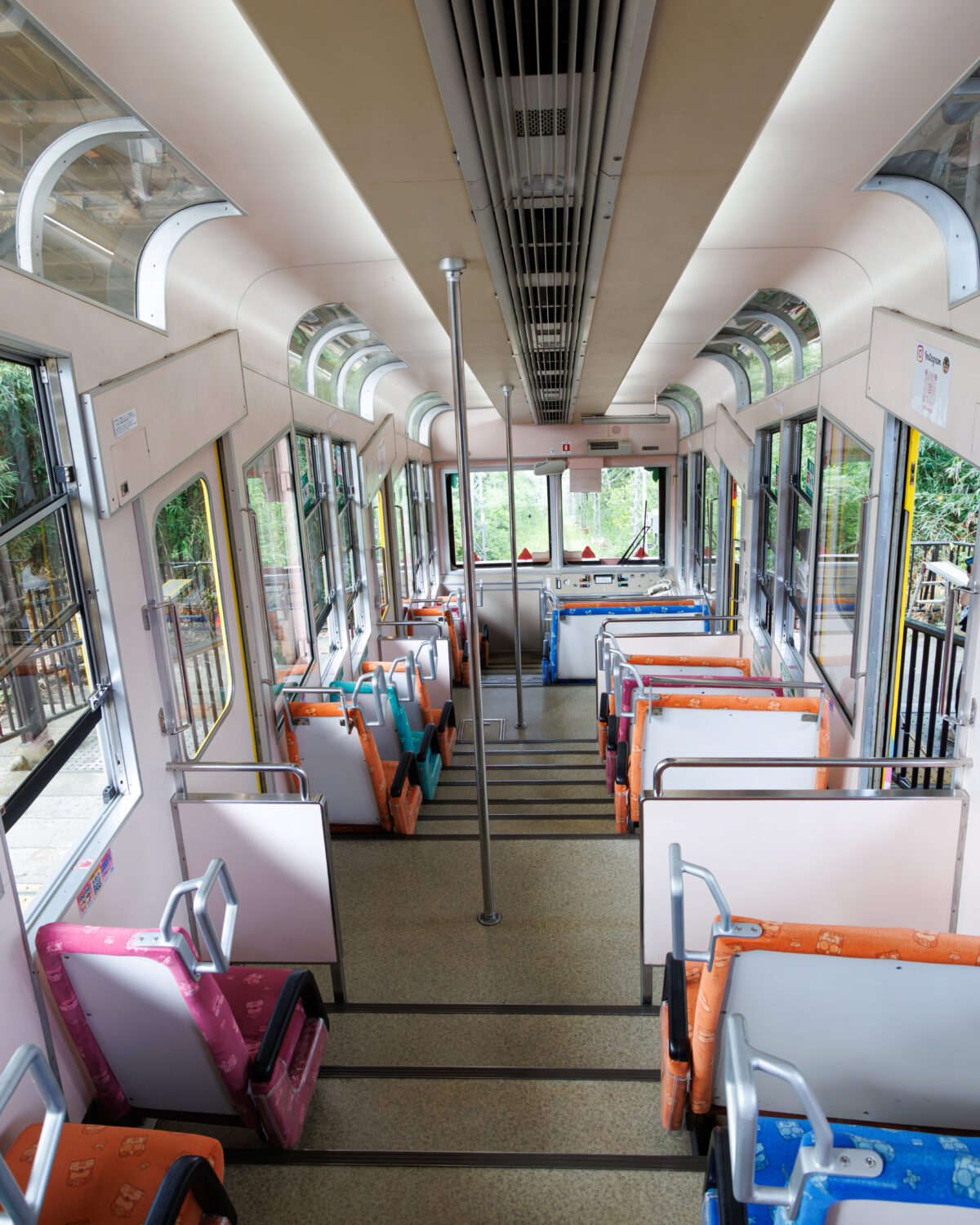 They run between Torii-mae Station and Hozanji Station, home to Hozanji Temple, playing melodies that match their designs along the way.
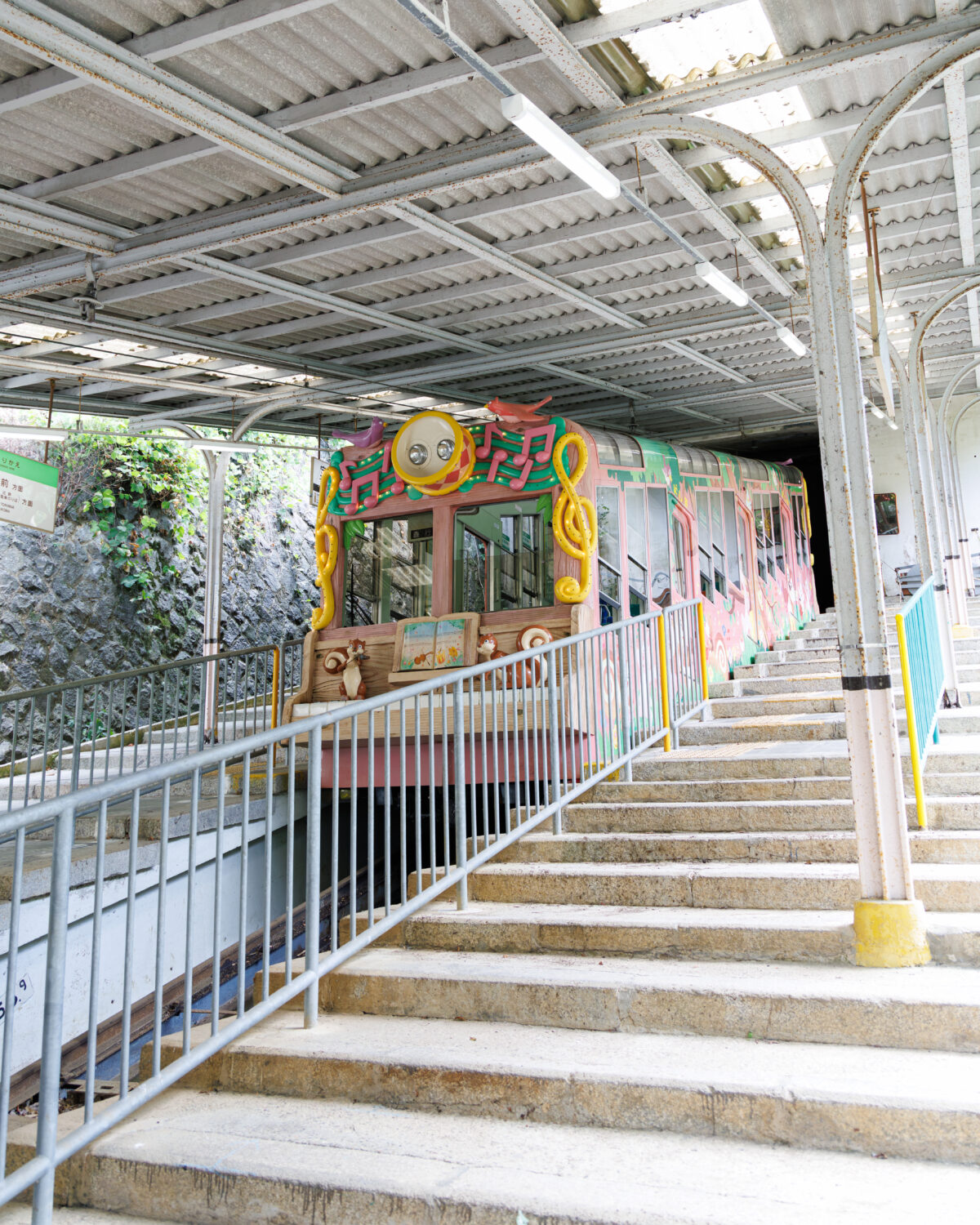 At Hozanji Station, switch to another cable car and continue your journey with “Doremi” and “Sweet,” two cable cars inspired by music and sweets. Both feature playful designs with pink as their main color, adding to the excitement as you make your way to Ikoma Sanjo Amusement Park.
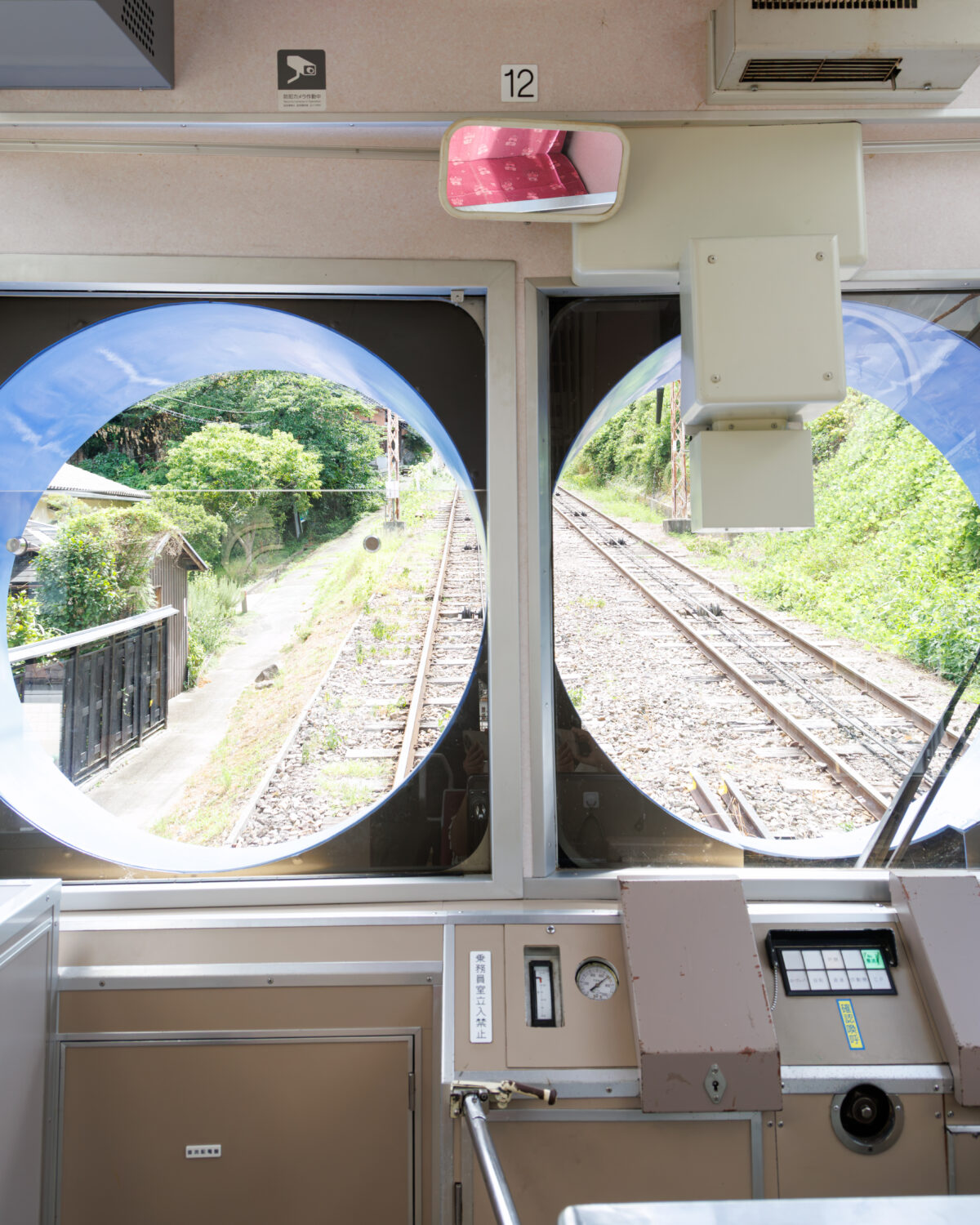
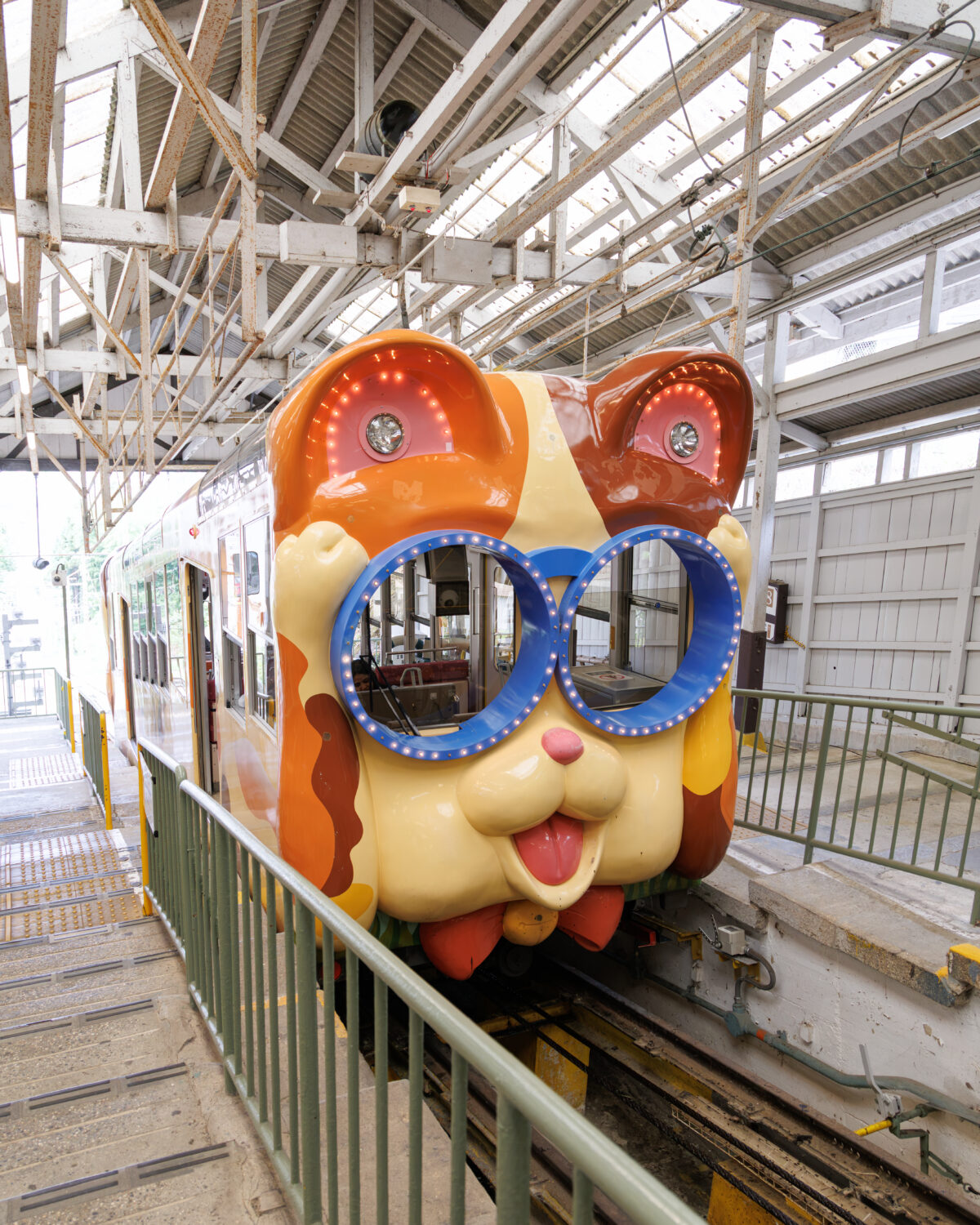
The Ikoma Cable Car connects Torii-mae Station to the summit of Mt. Ikoma along a route of approximately 2 kilometers, making it the perfect companion for your retro journey.
Which cable car would you like to ride?
How to get there
- From Osaka-Namba : Take the Kintetsu train from Osaka-Namba Station to Ikoma Station (approx. 20 minutes), then walk for about 3 minutes.
- From Nagoya : Take the Kintetsu train from Kintetsu-Nagoya Station to Tsuruhashi Station (approx. 2 hours), then transfer to a train to Ikoma Station (approx. 15 minutes). From there, walk for about 3 minutes.
6. Pray for Business Prosperity Amid Japan’s Mystical, Retro Charm at Hozanji Temple
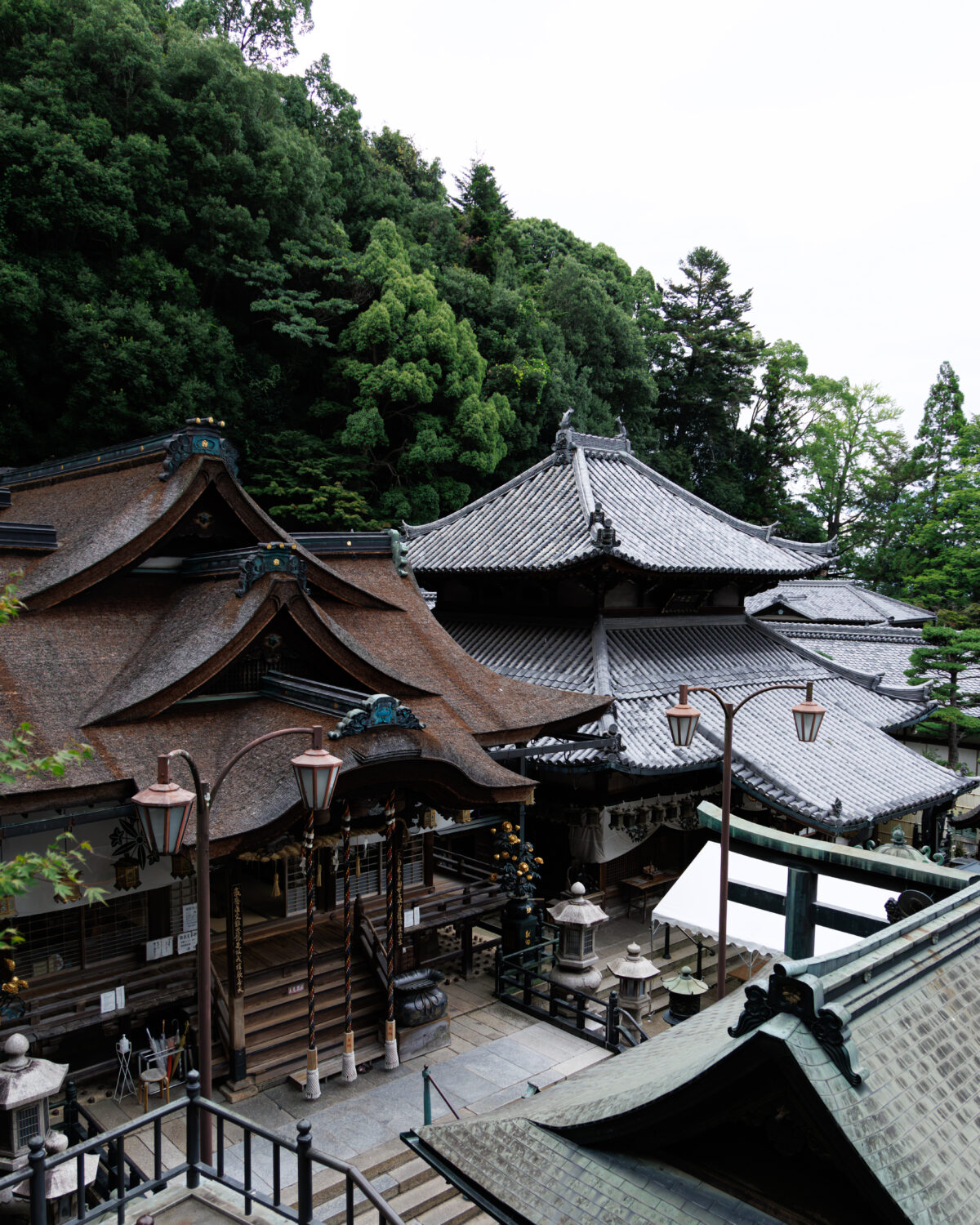 Hozanji Temple is a popular destination for those seeking blessings for business prosperity. The temple enshrines Shoten-sama, a deity believed to have the power to grant all kinds of wishes. In the past, merchants from Osaka, once known as “Japan’s Kitchen,” flocked here to pray. This established a deep-rooted tradition of faith in Ikoma Shoten that continues to this day.
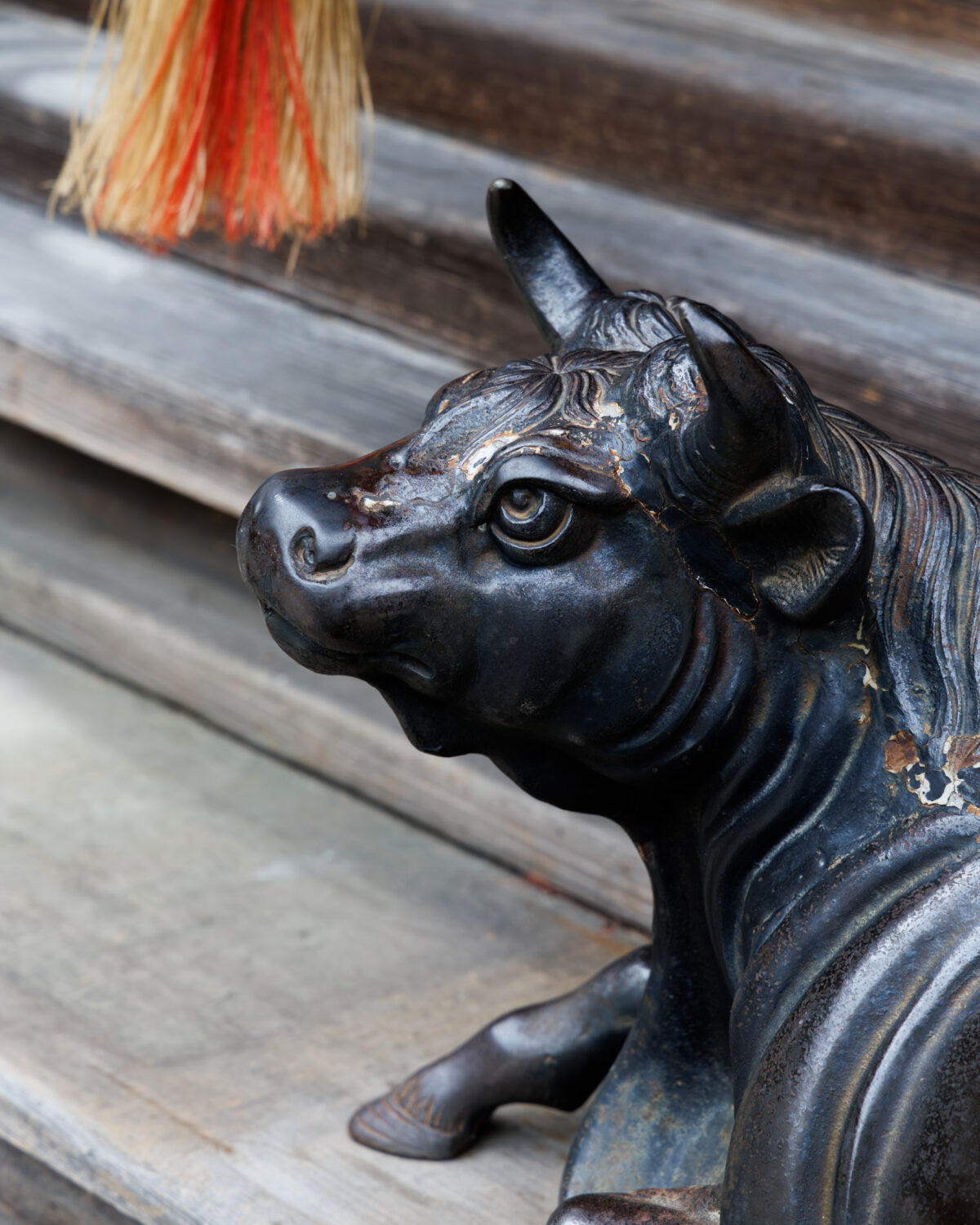
Shoten-sama is said to have appeared riding on a bull, which is why a stone statue of a bull is carefully enshrined within the temple grounds. It is believed that gently stroking the bull while making a wish will bring blessings.
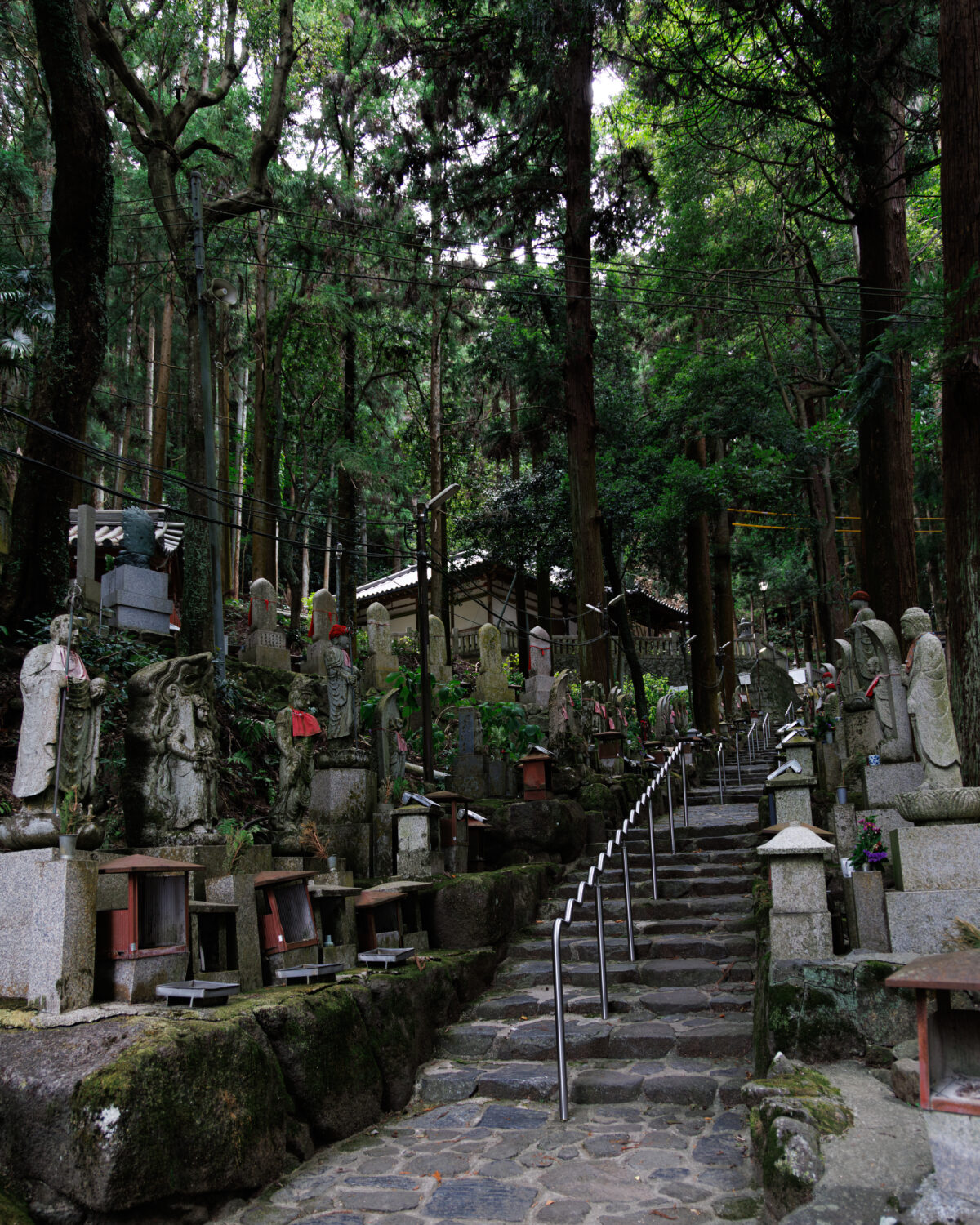
Although Hozanji Temple is best known for its blessings for business prosperity, its distinctive scenery is another highlight worth exploring.
Deeper within the temple grounds, surrounded by towering rock walls, lies Hannya-kutsu. This site has been used for spiritual training since ancient times and remains home to a statue of Fudo Myoo.
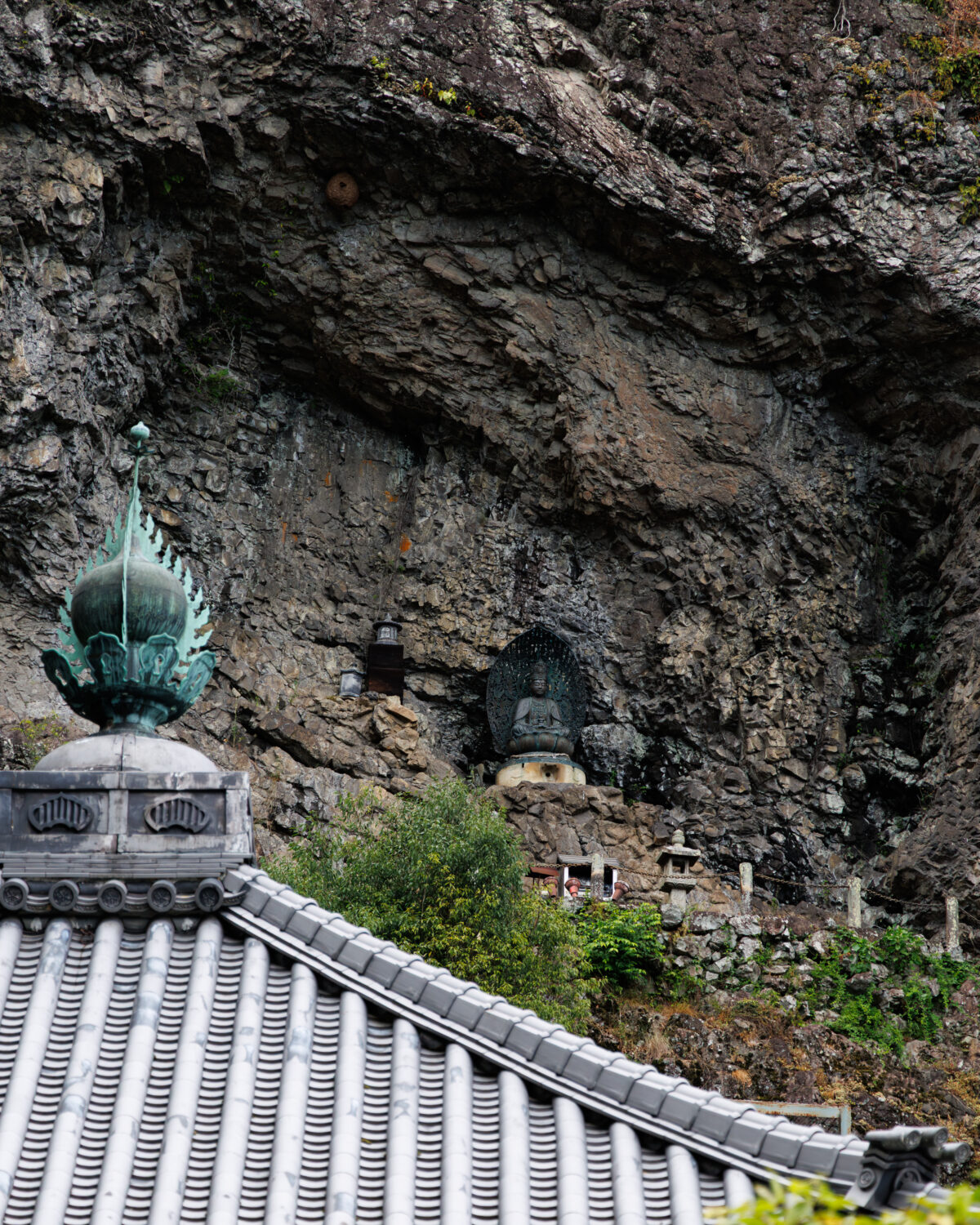
Surrounded by massive rock walls, Hannya-kutsu is one of the places where visitors can experience the mystical atmosphere of Hozanji Temple.
Another unique feature of Hozanji Temple is the presence of a torii gate, even though it is a Buddhist temple.
More than 100 years ago, it was common in Japan for Shinto deities and Buddhist figures to be worshipped together. However, during the Meiji period, the policy of Shinbutsu Bunri, which separated Shinto and Buddhism, was introduced. As a result, torii gates and other Shinto elements were removed from many temples.
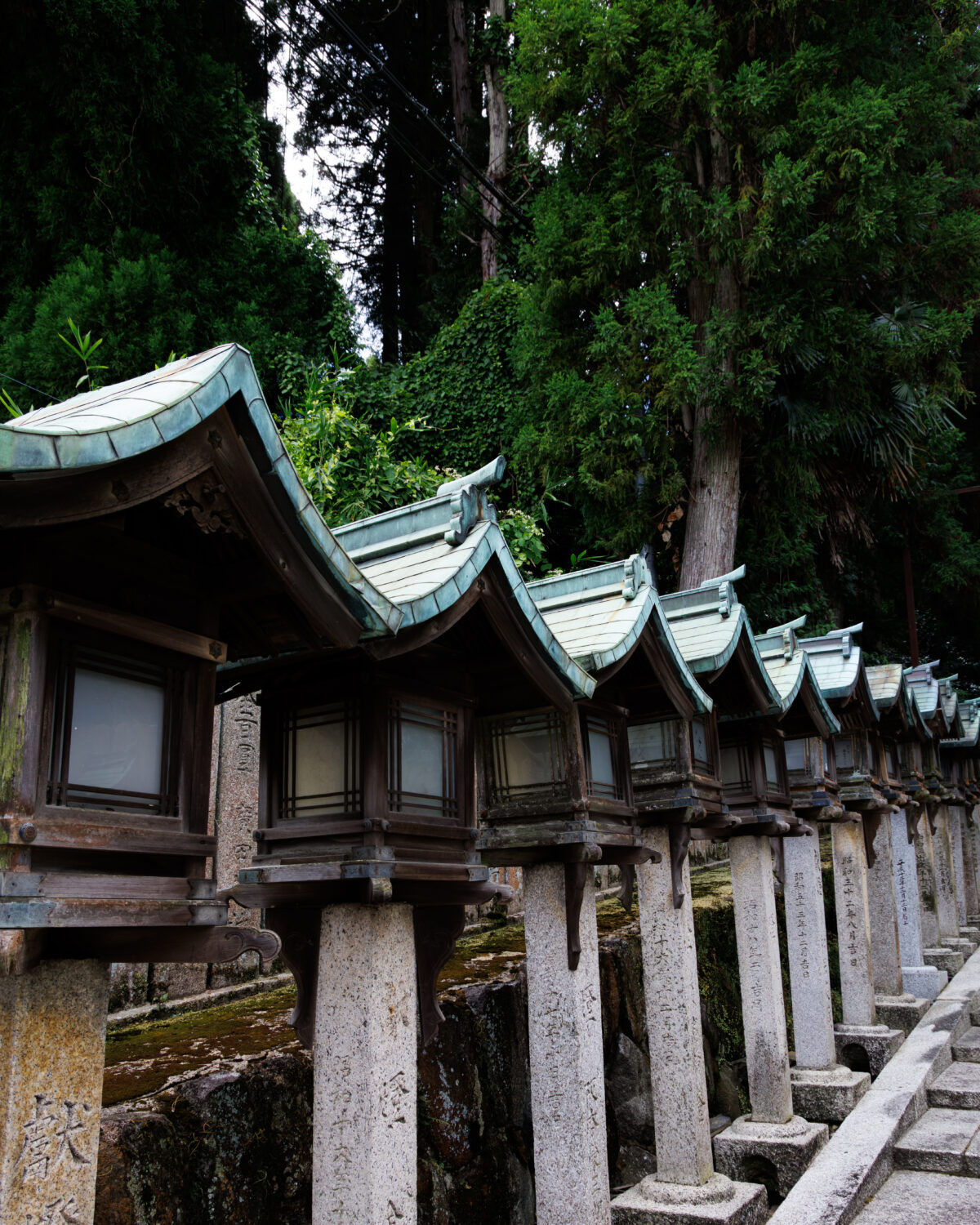
The torii gate that remains at Hozanji Temple is therefore a rare sight that offers a glimpse into Japan’s religious culture of the past.
Along the approach to the torii gate, stone lanterns and trees line both sides of the path. The atmosphere gradually shifts from the retro streetscape to a more sacred and serene setting, making the walk especially memorable.
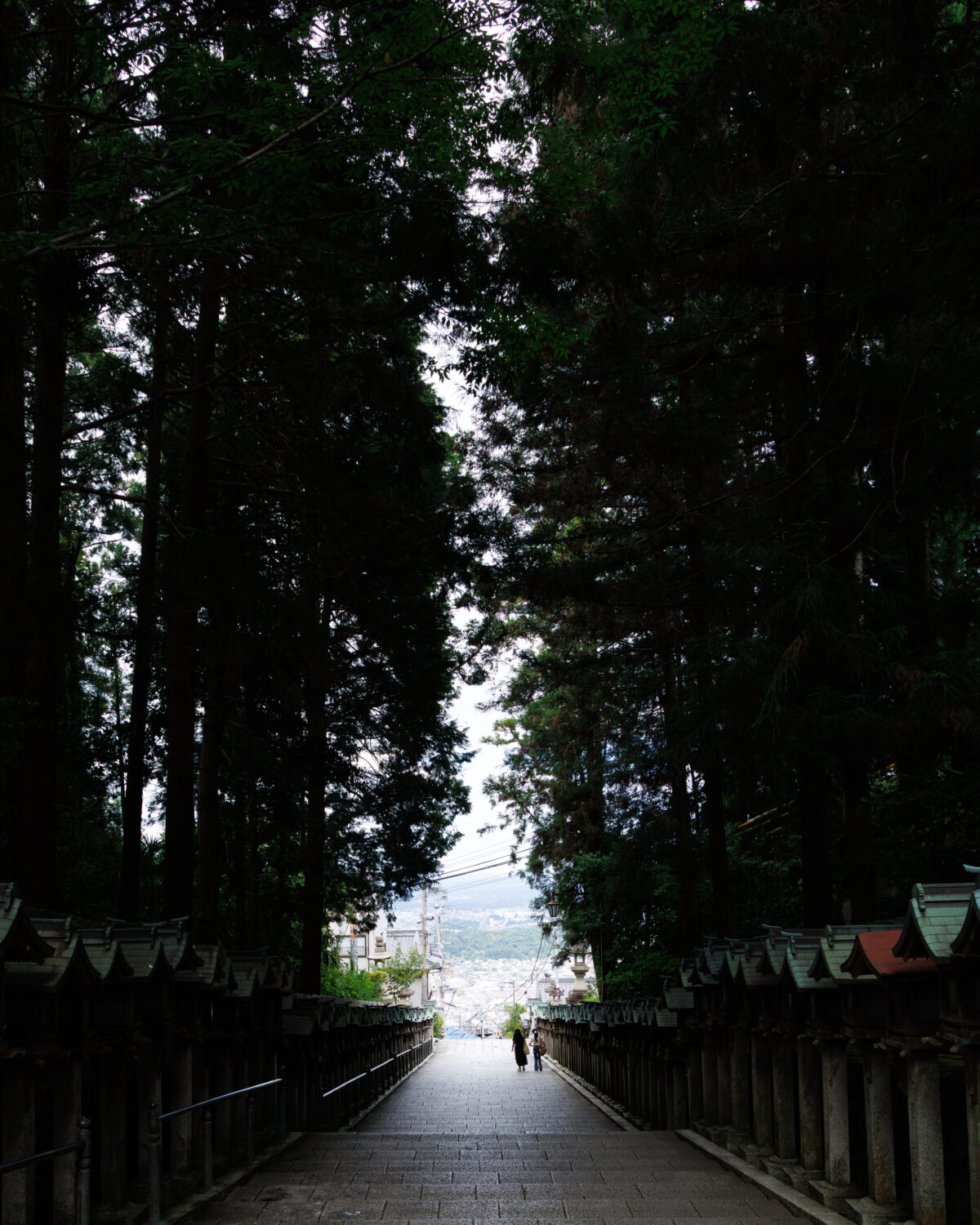 The approach offers beautiful views of Ikoma’s townscape not only on the way to Hozanji Temple but also on the way back. These views have become one of the temple’s signature sights.
More about
Address
- 2312-1 Nabatacho, Ikoma, Nara 630-0231 Japan
How to get there
- From Osaka-Namba : T ake a Kintetsu train from Osaka-Namba Station to Ikoma Station (approx. 20 minutes). Transfer to the Ikoma Cable Car at Torii-mae Station and ride to Hozanji Station (approx. 5 minutes). From there, it is about a 13-minute walk to the temple.
- From Kintetsu-Nagoya : Take a Kintetsu train from Kintetsu-Nagoya Station to Tsuruhashi Station (approx. 2 hours). Transfer to a train to Ikoma Station (approx. 15 minutes), then transfer to the Ikoma Cable Car at Torii-mae Station and ride to Hozanji Station (approx. 5 minutes). From there, it is about a 13-minute walk to the temple.
Map
Ref. : Kintetsu Railway English
Read more articles
- Kintetsu Railway Monthly News in September 2026
- Kintetsu Railway Monthly News in August 2026
- Kintetsu Railway Monthly News in July 2026
Recommended Links

ทุกเรื่องราวน่าสนใจเกี่ยวกับญี่ปุ่น เรารวบรวมไว้ที่นี่แล้ว! จะกิน เที่ยว ช้อป หาข่าว หรือหาข้อมูลต่างๆ เราจัดให้หมด เพจเฟซบุ๊กเราก็มีนะ เสิร์ชเลย > fromJapan.th ❤





Keep up with the latest trends, news, and fun activities. For more info, check out fromJapan page!